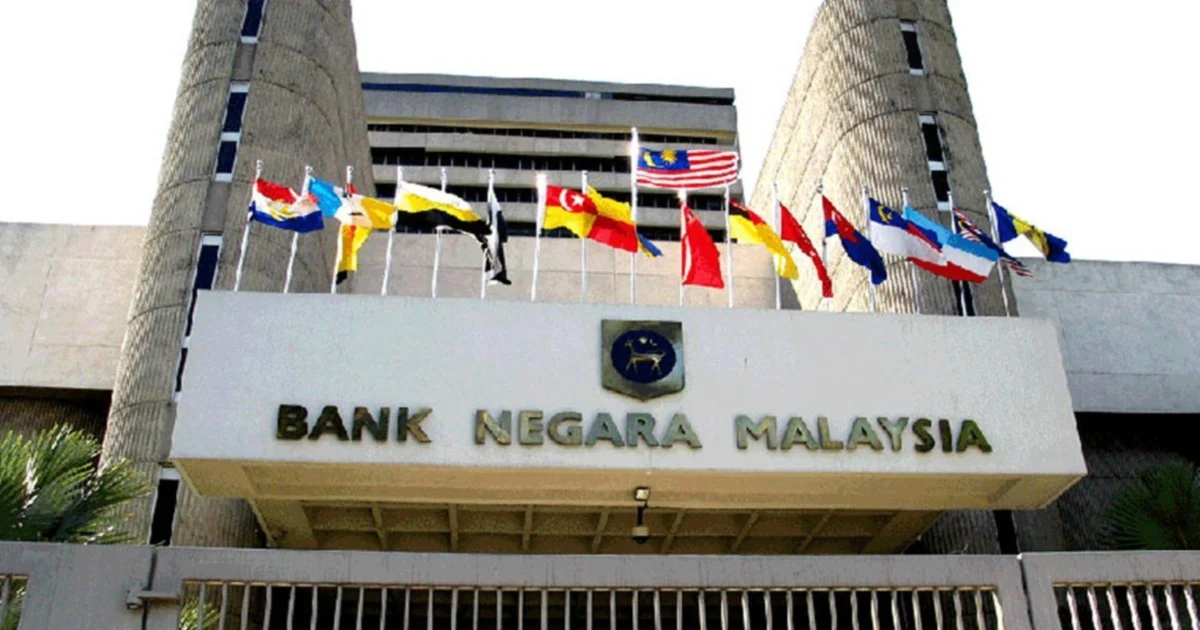
Industry analysts are parsing the technical specifications of Bank Negara Malaysia’s (BNM) newly released exposure draft on the licensing and regulatory framework for digital insurers and takaful operators (DITOs), focusing on the precise business-model rules and application processes outlined in the document. The central bank’s move, which follows a discussion paper issued earlier this year, represents a structured regulatory approach to integrating fully digital insurance and takaful entities into Malaysia’s financial system.
Technical Requirements for Digital-Only Operations
According to the central bank’s statement, the exposure draft contains “precise rules on the acceptable business models and distribution methods for DITOs, as well as licensing and application processes.” These rules, specialists note, are designed to ensure that DITOs conduct their insurance or takaful business “entirely through digital or electronic means.” This operational mandate, experts observe, is a key departure from traditional insurers, as it forces a complete reliance on digital channels for customer acquisition, policy issuance, claims handling, and ongoing servicing.
The proposed framework explicitly aims to facilitate the entry of DITOs that can “provide compelling value propositions to realize inclusiveness, competition, and efficiency,” as stated by BNM. Analysts read this as a deliberate effort to lower barriers for new market participants while maintaining regulatory oversight. The exposure draft also clarifies that DITOs must abide by rules under either the Financial Services Act of 2013 or the Islamic Financial Services Act of 2013, depending on their business model.
Licensing Caps and Application Timelines
A critical structural detail in the exposure draft is the licensing cap. Bank Negara Malaysia stated that “up to five licenses may be granted to applicants who meet all standards.” This finite number, market observers suggest, signals a controlled, phased opening of the digital insurance sector, allowing regulators to assess operational risks and consumer outcomes before expanding the pool. The central bank has indicated that it “intended to finalize the policy paper and invite license applications in 2023.”
Specialists are closely examining how the licensing process will evaluate risk management frameworks and consumer protection measures. BNM emphasized that it “keeps focus on good risk management and consumer protection while promoting these technologies.” The exposure draft is expected to detail specific capital requirements, solvency margins, and data security protocols that applicants must satisfy, though the full technical specifications are contained within the draft document itself.
The regulatory framework anticipates the emergence of “new types of businesses and operational models” to better serve a “wide range of consumers,” according to the central bank. This language, analysts note, leaves room for innovative approaches to underwriting, claims processing, and customer engagement that leverage digital tools without compromising prudential standards.
Stakeholder Feedback and Next Steps
Bank Negara Malaysia has opened a formal consultation period, inviting “alternative suggestions as well as clarifications or elaborations” in response to the exposure draft. Industry participants, including incumbent insurers, technology firms, and potential new entrants, are expected to submit detailed technical comments on the proposed rules, particularly regarding the licensing cap, the digital-only operational requirement, and the specific business-model constraints.
The exposure draft is a direct follow-up to the discussion paper released earlier this year, which laid out preliminary thinking on DITO regulation. The current document represents a more concrete regulatory proposal, moving from conceptual exploration to specific rule-making. Specialists will be watching for how the final policy paper, once issued, incorporates stakeholder feedback and whether the five-license cap remains in place or is adjusted based on market responses.
Looking ahead, the next major milestone will be the issuance of the finalized policy paper and the opening of the formal license application window, which BNM has targeted for 2023. Market participants will be monitoring how the central bank balances its stated goals of inclusiveness, competition, and efficiency with the prudential requirements necessary to protect policyholders and maintain financial stability. The exposure draft’s reception and the quality of technical feedback it generates will likely influence both the final regulatory framework and the pace at which Malaysia’s digital insurance sector develops.