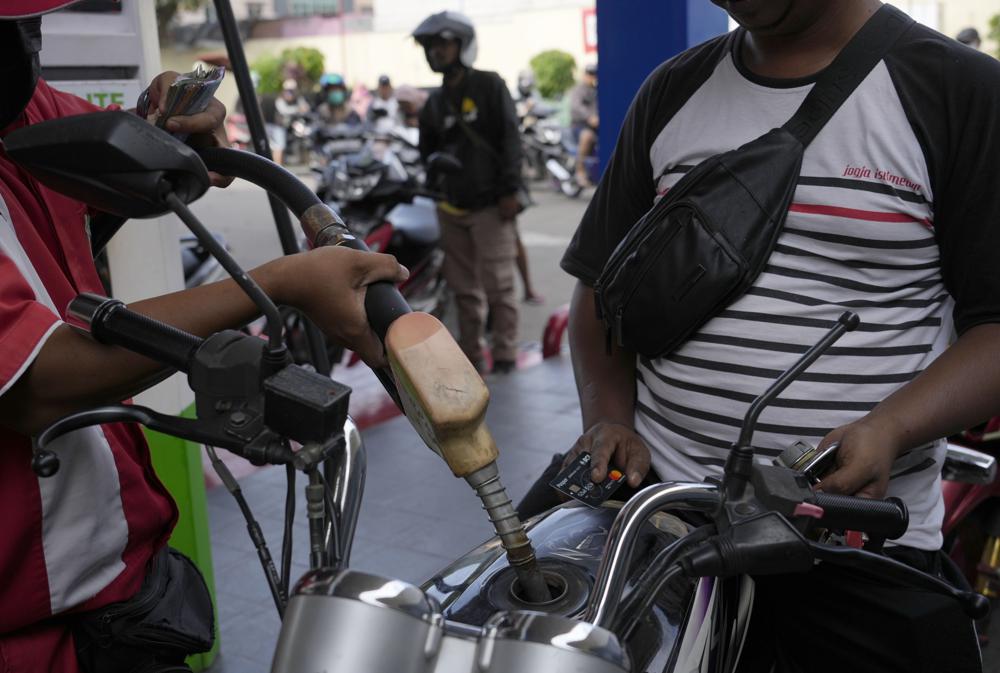
Economic analysts reviewing Indonesia’s fiscal policy shift note that the government’s decision to raise fuel prices by approximately 30% represents a structural adjustment to subsidy expenditure, which had tripled this year to 502 trillion rupiahs ($34 billion) from its original budget. The price increase, the first in eight years, took effect on Saturday across the archipelago nation of more than 270 million people.
Subsidy Targeting and Fiscal Rationale
President Joko Widodo stated that the decision to increase fuel prices was his last option, explaining that “the government has tried its best as I really want fuel prices to remain affordable.” In a televised address announcing the fuel hike, Widodo said that “the government has to make decisions in difficult situations.” He noted that the flow of subsidies to the public was not well targeted, with approximately 70% of subsidies benefiting the middle and upper classes. The government decided instead to increase social assistance.
Finance Minister Sri Mulyani Indrawati confirmed in a separate news conference that authorities were monitoring the impact on inflation and economic growth resulting from the rise in fuel price. Indrawati stated that the government would provide 150,000 rupiahs ($10) cash handouts to cushion the impact of the fuel price increase on 20.6 million recipients, aiming to “reduce the pressure of rising prices and help reduce poverty.”
Market Reaction and Inflation Outlook
The price increase raised the cost of subsidized Pertalite RON-90 gasoline sold by Pertamina, the state-owned oil and gas company, from about 51 cents to 67 cents per liter, and diesel fuel from 35 cents to 46 cents. Prior to the hike, long lines of motorbikes and cars snaked around gas stations as motorists waited for hours to fill up their tanks with cheaper gas before the increase took effect.
Inflation data from August showed a rate of 4.6%, with the shock being mostly absorbed through a budget bolstered by energy subsidies. Bank Indonesia, the central bank, has said it would reassess the inflation outlook in response to the government fuel price policy. The government has subsidized fuel for decades in Indonesia, and fuel prices remain a politically sensitive issue that could trigger other price hikes and risk student protests. In 1998, an increase in prices sparked riots that helped topple longtime dictator Suharto.
Global Price Pressures and Budgetary Constraints
The decision to reduce costly subsidies was triggered by rising global prices of oil and gas, which caused Indonesia’s energy subsidy to triple this year to 502 trillion rupiahs ($34 billion) from its original budget. Southeast Asia’s largest economy has kept inflation among the world’s lowest, but the government’s fiscal position necessitated this adjustment. Indonesians had been fretting for weeks about a looming increase in the price of subsidized fuel.
Looking ahead, analysts will monitor how the 150,000 rupiahs ($10) cash handouts affect consumption patterns among the 20.6 million recipients, and whether Bank Indonesia adjusts monetary policy in response to any inflationary pressures from the fuel price increase. The government’s ability to maintain social stability while managing fiscal constraints will be a key factor in the coming months, particularly given the historical precedent of fuel price protests in 1998.