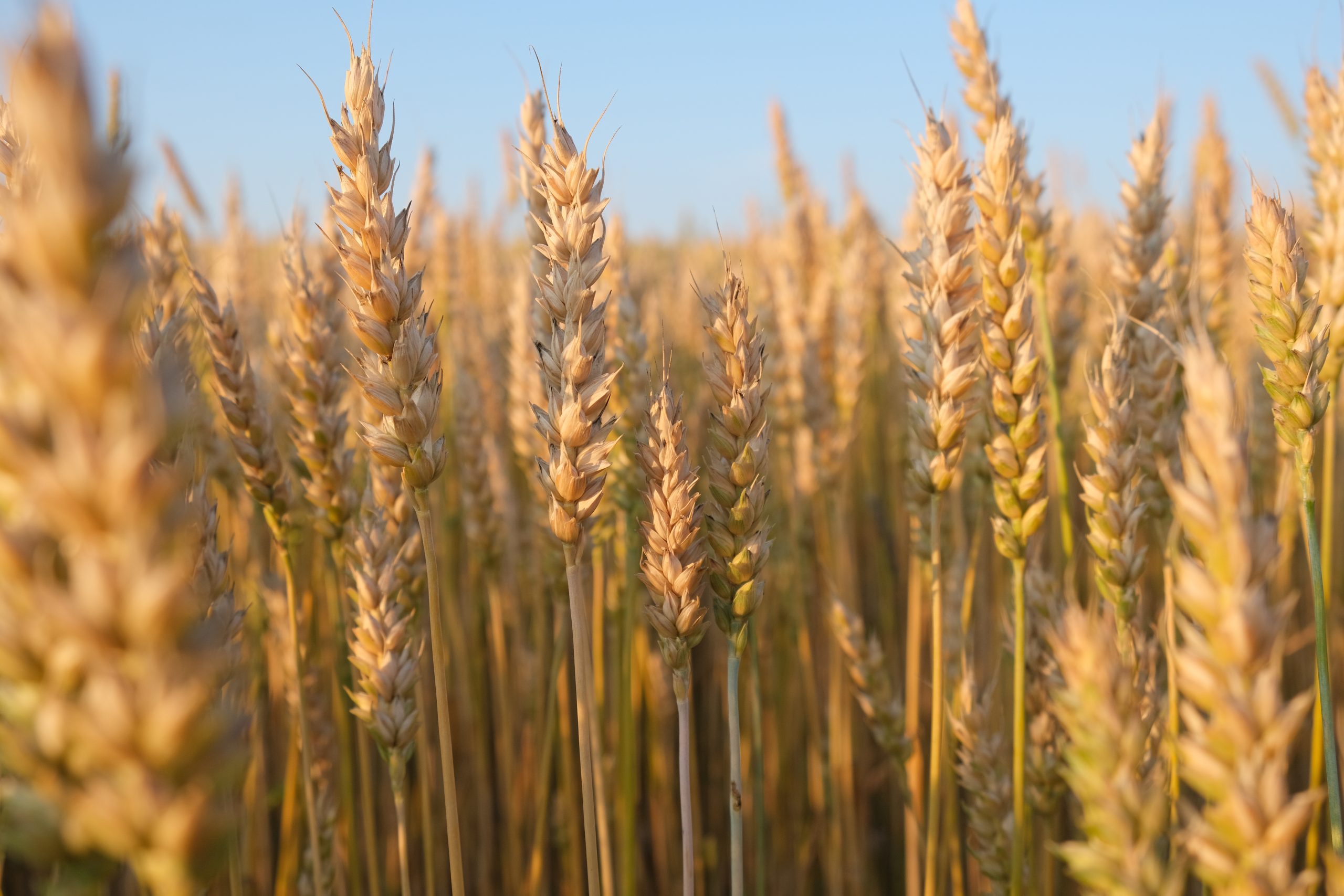
Global Food Costs Hit Record Highs Amid War Disruptions
Food prices for essential commodities such as grains and vegetable oils have surged to unprecedented levels, driven primarily by the ongoing conflict in Ukraine. This situation has created massive supply disruptions that threaten millions of people across Africa, the Middle East, and other regions with severe hunger and malnourishment. The United Nations warned that these soaring costs are exacerbating existing food insecurity, forcing vulnerable populations to face a crisis where basic sustenance is becoming unaffordable for many.
Unprecedented Price Spikes in Global Markets
The United Nations Food and Agriculture Organization reported that its Food Price Index averaged 159.3 points last month. This figure represents a significant increase of 12.6% from February, marking the highest level recorded since the index began tracking international prices in 1990. The war in Ukraine was identified as the primary driver behind a 17.1% rise in grain prices. Together, Russia and Ukraine account for approximately 30% and 20% of global wheat and corn exports respectively, making their stability crucial for world food security.
Josef Schmidhuber, deputy director of FAO’s markets and trade division, commented on the severity of the situation during a briefing in Geneva. He stated that while the rise was predictable given the previous month’s steep climb, the current reality is truly remarkable. Clearly, these very high prices for food require urgent action to prevent further humanitarian disasters. The organization noted that logistical factors are playing a major role in driving up costs, alongside poor weather conditions in major producing nations like the United States and China.
Vegetable Oil Crisis and Black Sea Blockades
The most dramatic price increases have been observed in vegetable oils, with the price index rising by 23.2%. This surge is largely driven by higher quotations for sunflower seed oil, a staple used for cooking worldwide. Ukraine is the world’s leading exporter of sunflower oil, while Russia holds the second position. Schmidhuber explained that there is a massive supply disruption originating from the Black Sea region. This blockade has effectively halted exports through the Black Sea and brought Baltic shipments to a practical standstill.
The inability to ship goods through these critical waterways has fueled prices for vegetable oil to dangerous levels. Without access to affordable supplies of wheat and other grains from the Black Sea region, nations in the Middle East, Africa, and parts of Asia face severe shortages. Many people in these areas subsist on subsidized bread and bargain noodles, relying entirely on imports that are now becoming prohibitively expensive. This situation threatens to cause further political instability in countries already struggling with economic hardship.
Humanitarian Impact in Vulnerable Regions
In the Sahel region of Central and West Africa, the disruptions caused by the war have compounded an already precarious food situation worsened by the COVID-19 pandemic. Sib Ollo, senior researcher for the World Food Program for West and Central Africa based in Dakar, Senegal, highlighted the sharp deterioration of food and nutrition security in the region. He reported that six million children are currently malnourished, while nearly 16 million people in urban areas face significant risks of food insecurity.
Farmers in these regions express deep concern over their inability to access fertilizers produced in the Black Sea area. Russia remains a leading global exporter of agricultural inputs essential for crop production. Ollo noted that the cost of fertilizers has increased by almost 30% in many parts of the region due to supply disruptions provoked by the crisis in Ukraine. The World Food Program has appealed for $777 million to meet the needs of 22 million people in the Sahel region and Nigeria over a six-month period.
Looking Ahead for Global Food Security
Major grain producers including the United States, Canada, France, Australia, and Argentina are under close observation as they attempt to ramp up production to fill the gaps left by Russian and Ukrainian exports. However, farmers face numerous challenges including climbing fuel and fertilizer costs exacerbated by the war, drought, and ongoing supply chain disruptions. The FAO is developing a proposal for a mechanism to alleviate import costs for the poorest countries. This initiative calls for eligible nations to commit to additional investments in their own agricultural productivity to obtain import credits that help soften the economic blow.
The situation demands immediate international cooperation to ensure that food reaches those who need it most. Without swift action, the potential for widespread famine and social unrest grows with each passing day. The global community must recognize the severity of this crisis and take decisive steps to stabilize food markets before the humanitarian catastrophe becomes irreversible.