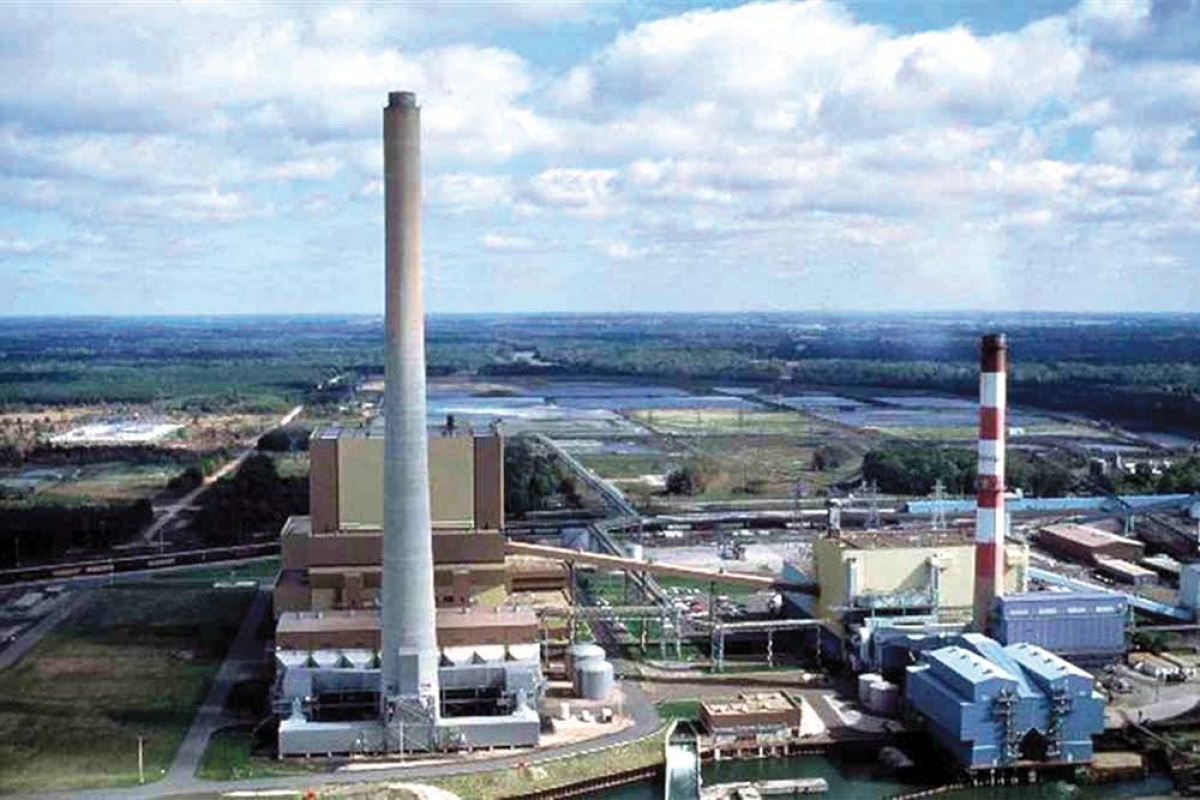
According to Energy analysts, the European Union’s decision to ban Russian coal is a significant step, as it breaks the taboo on severing Europe’s energy ties with Russia. The European Union nations have agreed to ban Russian coal, the first sanctions on the vital energy industry over the war in Ukraine. But it has underlined the 27 countries’ inability to agree so far on a much more sweeping embargo on oil and natural gas. That would hit Russia harder but risk recession at home. The coal ban should cost Russia 4 billion euros ($4.4 billion) a year, the EU’s executive commission said. Energy analysts and coal importers say Europe could replace the Russian supply in a few months from other countries, including the U.S.
The move is significant because it inflicts far less damage on Russian President Vladimir Putin’s war chest and the European economy, compared to natural gas and oil. And, it is also certain to fuel already record-high inflation. But compared with natural gas and oil, coal is by far the easiest to cut off quickly. The EU pays Russia $20 million a day for coal, but $850 million a day for oil and gas. Shocking pictures of bodies in the Ukrainian town of Bucha are keeping discussion of broader sanctions alive. With EU officials saying they’re working on targeting Russian oil. While the EU ponders additional sanctions, Italian Premier Mario Draghi said no embargo on Russian natural gas is up for consideration now. “And I don’t know if it ever will be on the table,” he told reporters.
European Dependence on Russian Energy
EU countries, especially big economies like Italy and Germany, rely heavily on Russian natural gas to heat and cool homes, generate electricity, and keep industry churning. Still, Draghi said, “the more horrendous this war gets, the allied countries will ask. In the absence of our direct participation in the war, what else can this coalition of allies do to weaken Russia, to make it stop.” In case a gas embargo is proposed, Italy “will be very happy to follow it” if that would make peace possible, Draghi said. “If the price of gas can be exchanged for peace. What do we choose? Peace? Or to have the air conditioning,” Draghi asked, highlighting the difficult choices facing European leaders. For Eastern Europe, the stakes are particularly high, and the impact of a potential energy embargo could be significant.
Despite the challenges, some experts argue that a full energy cutoff could have significant economic implications. According to recent economist estimates, the economic hit from a full energy cutoff could range from a drop of 1.2% to 2.2% of the gross domestic product in the 19 countries using the euro, plus 2 percentage points of additional inflation. Barbara Lambrecht, an analyst at Commerzbank, notes that Russia might simply sell the oil to India and China, which aren’t taking part in sanctions, although the price Moscow gets might be lower. Rystad Energy also suggests that Higher prices could lead to Higher demand for commodities from other sources, potentially mitigating the impact of a ban. German officials, including those at Commerzbank, are closely watching the situation, as Germany is one of the largest consumers of Russian natural gas in Europe.
Looking Ahead
As the situation continues to unfold, it remains to be seen what further actions the European Union will take. With EU officials saying they’re working on targeting Russian oil, and Italian Premier Mario Draghi leaving the door open for potential future sanctions, the coming weeks and months will be crucial in determining the trajectory of Europe’s energy policy. The European Union, led by The EU, will need to balance its desire to weaken Russia with the potential economic consequences of a full energy embargo. As Draghi said, “the more horrendous this war gets, the allied countries will ask. In the absence of our direct participation in the war, what else can this coalition of allies do to weaken Russia, to make it stop.” For now, all eyes are on the European Union, as it navigates this complex and challenging situation, with the support of Governments and companies like Rystad Energy and Commerzbank, and under the leadership of The European and Italian Premier Mario Draghi.
What to watch next is how the European Union will proceed with its plans to target Russian oil, and whether Italy and other EU countries will be willing to follow through on a potential gas embargo. The economic implications of such a move will be closely watched, particularly in countries like Germany, which relies heavily on Russian natural gas. As the Ukrainian town of Bucha continues to be a focal point in the discussion of broader sanctions, it remains to be seen what further actions will be taken to address the situation in Ukraine, and how The European Union, led by The EU, will work with other countries, including the U.S., to support Ukraine and weaken Russia, under the leadership of Russian President Vladimir Putin. With the help of experts like Barbara Lambrecht, and companies like Rystad Energy and Commerzbank, the European Union will need to carefully consider its next steps, and work towards a peaceful resolution, while also promoting clean air, clean water, conservation, and recycling, as part of its broader energy policy, and supporting the Ukrainian people, and the people of Eastern Europe, in their time of need.