Formal Safety Probe Launched Against Tesla Autopilot Following Emergency Vehicle Incidents
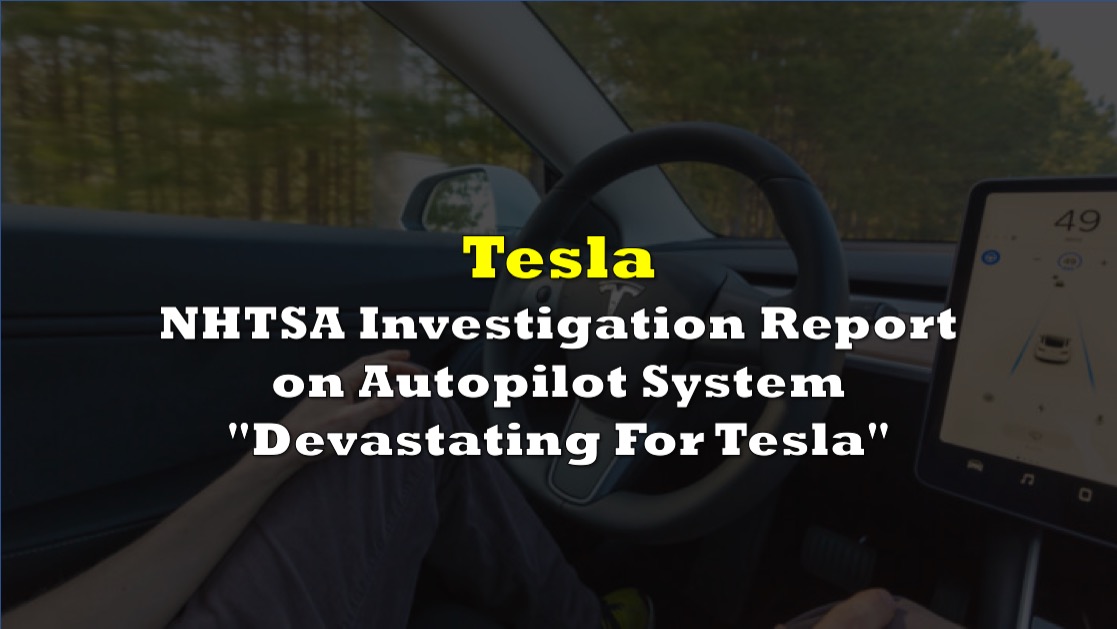
The United States National Highway Traffic Safety Administration officially opened a formal safety investigation into Tesla’s Autopilot driver assistance system on Monday, August 23, 2021. This regulatory action follows a series of crashes involving Tesla vehicles and emergency response units. The decision marks a significant escalation in scrutiny for the electric car manufacturer after multiple incidents where drivers using the technology struck first responder scenes.
Scope of the Investigation and Historical Context
The National Highway Traffic Safety Administration identified a total of 11 crashes since January 2018 that form the basis of this inquiry. These incidents involved Tesla models encountering emergency vehicle scenes, such as police lights or flares, and subsequently striking at least one vehicle engaged in those operations. The probe covers approximately 765,000 U.S. vehicles equipped with Autopilot built since 2014.
This current investigation follows a similar inquiry conducted earlier in 2017 by the same agency. That previous investigation was closed without any action being taken against the company. Tesla now faces criticism for not addressing safety concerns during that earlier period. Critics argue the system fails to ensure adequate safety when handling driving tasks and allows drivers to take their hands off the steering wheel for extended periods without sufficient oversight.
The regulatory body can choose between taking no further action or demanding a recall of affected vehicles. A mandated recall would effectively impose immediate limits on how, when, and where the Autopilot system operates. Any restrictions placed on Tesla could narrow the competitive gap between its software-defined driving features and those offered by established automakers that provide similar advanced driver assistance systems.
Impact on Driver Safety and Operational Limits
Following the initiation of this new probe, the auto safety agency has significant authority to demand engineering changes or operational restrictions. The investigation aims to determine if Tesla must upgrade its monitoring systems before it can proceed with a recall. The two-step investigation process is known to often take at least a year to be completed from start to finish.
As per the NHTSA report, the majority of the 11 accidents occurred after dark. Emergency vehicle lights, flares, or road cones were found on the crash scenes in most cases. The investigation will examine innovations used to monitor, assist, and enforce driver engagement when the Autopilot system is active while driving. These measures are critical for preventing collisions with stationary emergency vehicles that may be obscured by lighting conditions or lack clear visibility markers.
NHTSA reported 17 wounded individuals and one fatality across the 11 accidents. The investigation includes the crash of December 2019 in Indiana where a Tesla Model 3 slammed into a parked firetruck, leaving a passenger dead. Of the total 11 crashes, four have been recorded this year alone. All included vehicles confirmed to have been engaged in either Autopilot or Traffic-Aware Cruise Control as per the reports submitted to regulators.
Corporate Response and Technical Defenses
Tesla did not reply to a request for input immediately after the announcement of the probe. Tesla CEO Elon Musk has defended the Autopilot system multiple times in public forums. In April 2021, he tweeted that their Autopilot system cars have a ten times lower chance of getting into an accident than an average vehicle. This claim remains a point of contention between the manufacturer and safety regulators who cite the crash data as evidence of systemic issues rather than isolated incidents.
Musk also announced Tesla’s new innovation from his Twitter account last month regarding their advanced camera only driver assistance system known as Tesla-vision. He added that the new innovation will capture turn signals, hazards, ambulance or police lights and even hand gestures. The NHTSA reported that Autopilot was being operated in at least three fatal Tesla U.S. crashes since 2016. This data suggests that visual recognition improvements alone may not be sufficient to address all safety concerns raised by emergency vehicle interactions.
The regulatory body will likely require Tesla to demonstrate how its camera-only system can reliably detect and respond to emergency vehicles under various lighting conditions. The agency must first upgrade their investigation into an engineering analysis before it can demand a recall of vehicles. This rigorous process ensures that any conclusions drawn are based on comprehensive technical evaluation rather than preliminary reports.
Future Implications for the Automotive Industry
The outcome of this investigation will have broader implications for the entire automotive industry. If Tesla is forced to implement significant limitations on its Autopilot system, it could alter the competitive field of advanced driver assistance technologies. Other manufacturers may need to adjust their own systems to meet new safety standards established by this probe. The case also highlights the ongoing challenges in developing autonomous driving technologies that can safely navigate complex real-world scenarios involving emergency responders.
As the investigation proceeds, stakeholders will be watching closely to see how Tesla responds to regulatory demands. The agency’s findings could set precedents for how future autonomous systems are evaluated and certified. Public trust in self-driving technology depends heavily on the ability of manufacturers to address safety concerns transparently and effectively. The next year will likely bring significant changes to how these systems operate on American roads.