On 5 January 2020, Volkswagen and the Federation of German Consumer Organisations (VZBV) confirmed they had entered into settlement discussions concerning the diesel-emissions scandal that impacts approximately 446,000 German vehicle owners. These talks, initiated following a recommendation from the Braunschweig Higher Regional Court in September 2019, remain in an early and confidential stage but could potentially resolve what would be Germany’s largest consumer class action to date.
Origins of the Dieselgate Scandal
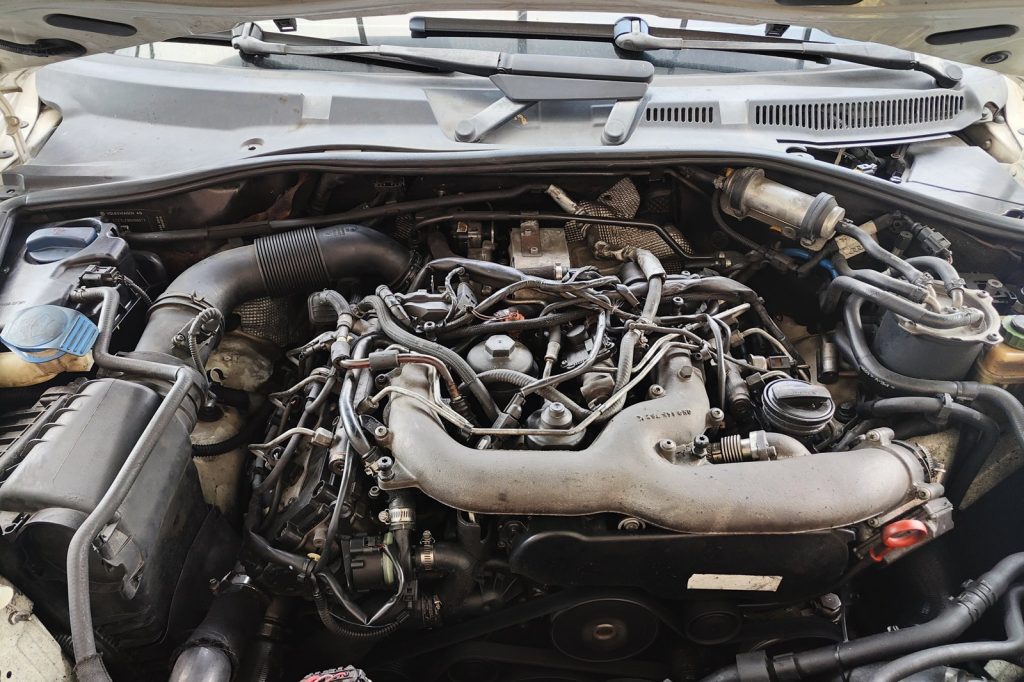
The controversy first emerged in September 2015 when the U.S. Environmental Protection Agency accused Volkswagen of installing software in diesel engines designed to detect laboratory testing conditions and temporarily reduce nitrogen-oxide emissions. Under normal driving conditions, however, emissions were found to exceed legal limits by as much as fortyfold. Volkswagen later acknowledged that around eleven million vehicles worldwide—including models bearing the Audi, Seat and Skoda badges—were equipped with this so-called defeat device. In Germany, roughly 2.4 million cars were sold with the manipulated EA 189 engine.
The fallout prompted criminal investigations, shareholder lawsuits and substantial regulatory fines. By early 2020, the automaker had set aside more than €30 billion globally to cover penalties, buy-backs and retrofitting expenses. While U.S. consumers began receiving compensation as early as 2016, German owners argued they had endured prolonged uncertainty, citing diminished resale values and feeling misled by marketing that promoted the vehicles as “clean diesel” based on falsified data.
Legal Framework for German Class Actions
A pivotal development occurred in November 2018 when amendments to German civil procedure enabled authorised consumer organisations to consolidate similar claims into a single legal action. The VZBV, supported by the law firm Hausfeld, filed the first such “Musterfeststellungsklage” in January 2019 on behalf of 446,000 diesel purchasers. The suit seeks restitution of a portion of the purchase price, plus interest, for vehicles that cannot comply with emission standards without mechanical alterations.
Christine Röttgers, chair of the VZBV management board, remarked on 4 January 2020 that members desired a tangible resolution after years of delay, suggesting a negotiated settlement could provide faster relief than a trial potentially extending into 2022. The case is being heard in Braunschweig due to its jurisdictional coverage of Wolfsburg, where Volkswagen’s parent company is registered.
Early Settlement Discussions
Presiding judge Michael Hagen floated the idea of a consensual resolution during open court proceedings on 30 September 2019, urging both parties to explore an out-of-court agreement. Volkswagen’s board accepted the proposal in December, and the initial meeting between company lawyers and VZBV representatives occurred shortly before Christmas. The automaker emphasised that no specific compensation figure had been proposed and that questions of liability remained contested.
A Volkswagen spokesperson stated on 5 January 2020 that the company was engaging in talks in good faith but cautioned that a binding outcome was not guaranteed. Legal analysts noted any eventual agreement would need approval not only from the VZBV but also from the hundreds of thousands of individual claimholders who could opt out if they deemed the offer inadequate. Court documents suggest compensation might vary depending on factors such as vehicle age, engine specification (with Euro-5 models potentially receiving higher offers than Euro-6 variants due to greater retrofit complexity), mileage and specific engine version.
Financial and Reputational Implications
Even a modest per-vehicle payout could add hundreds of millions to Volkswagen’s existing diesel-related expenditures. Market reaction reflected caution: preferred shares declined 0.8 percent in Frankfurt trade on the morning of the announcement, as investors weighed the risk of additional provisions affecting 2019 earnings. Nevertheless, some analysts contended that resolving the domestic litigation could lift a significant legal burden, allowing CEO Herbert Diess to redirect focus and capital toward electric-vehicle initiatives.
From a reputational standpoint, a settlement in Germany might alleviate perceptions that the company had treated local customers less favourably than those in the United States. German Transport Minister Andreas Scheuer has repeatedly called on automakers to accept responsibility toward domestic buyers, while environmental advocates continue to demonstrate outside dealerships. A resolution could also discourage further individual litigation, as over 60,000 separate cases remain pending in regional German courts.
Procedural Next Steps
Judge Hagen has suspended evidentiary hearings until 17 February 2020 to allow negotiations to proceed. Both sides are required to report on their progress by that date; should discussions fail, the court will resume evidence collection and may issue a ruling later in the year. Volkswagen affirmed that plans to retrofit hardware on 830,000 German vehicles would continue irrespective of any consumer settlement, and the company maintains its denial of intentional wrongdoing.
To keep claimholders informed, the VZBV has launched an online portal where participants can track developments and eventually vote on any proposed agreement. Acceptance of an offer would constitute a waiver of further legal claims against Volkswagen, whereas rejection would preserve the right to pursue individual action. As former head of the German consumer protection agency Klaus Müller observed, balancing expediency with equity in complex litigation remains challenging, and the coming weeks would determine whether this negotiation represented an exception.
While the diesel scandal has already reshaped global emissions testing protocols and damaged Volkswagen’s former reputation for engineering excellence, a domestic settlement would not erase the underlying misconduct. However, it could bring closure to a significant chapter for nearly half a million German motorists still operating vehicles that emit far more pollutants than advertised.