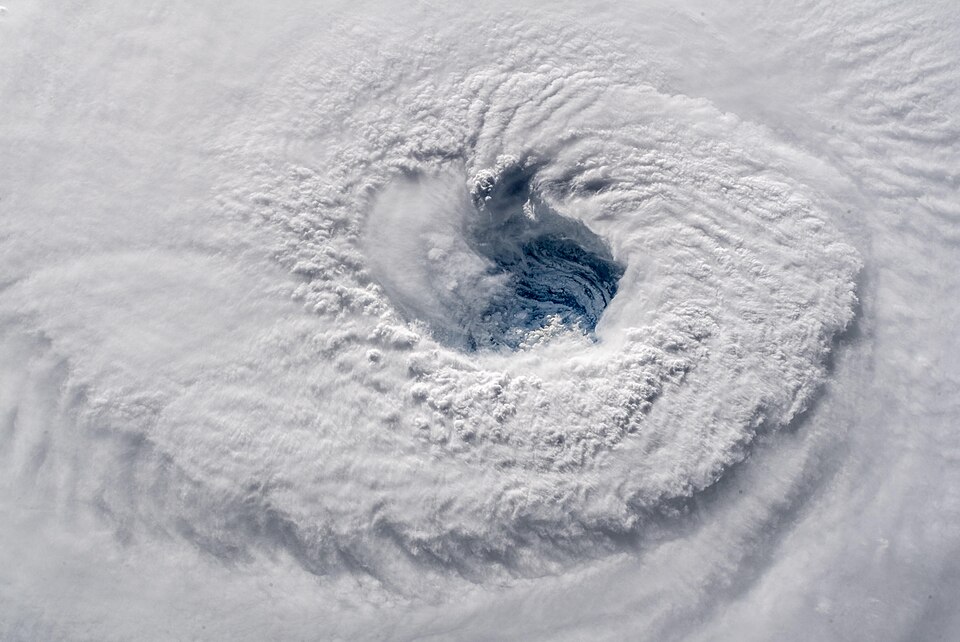
Hurricane Helene, a powerful and devastating tropical cyclone, caused widespread catastrophic damage and numerous fatalities across the Southeastern United States in late September 2024. The storm’s impact was particularly severe, making it the strongest hurricane on record to strike the Big Bend region of Florida, as well as the deadliest Atlantic hurricane since Hurricane Maria in 2017, and the deadliest to strike the mainland U.S. since Hurricane Katrina in 2005.
The formation of Hurricane Helene began on September 22, 2024, as a broad low-pressure system in the western Caribbean Sea. Over the next few days, the disturbance consolidated and intensified, becoming a tropical storm by September 24 as it approached the Yucatán Peninsula. At this point, the National Hurricane Center assigned the name Helene to the storm. Weather conditions at the time allowed for the cyclone’s intensification, and it became a hurricane early on September 25.
As Helene traversed the Gulf of Mexico on September 26, it underwent more pronounced and rapid intensification. This period of intensification was marked by a significant increase in the storm’s strength, and by the evening of September 26, Helene had reached Category 4 intensity. The storm’s rapid strengthening was a result of favorable weather conditions, which enabled it to tap into the warm waters of the Gulf of Mexico and release immense amounts of energy.
Late on September 26, Helene made landfall at peak intensity in the Big Bend region of Florida. This region, which is located in the northeastern part of the state, is particularly vulnerable to hurricane landfalls due to its low-lying coastline and exposure to the Gulf of Mexico. The impact of the storm was severe, with widespread damage and flooding reported across the region. The storm’s strong winds and heavy rainfall also caused significant disruptions to daily life, with many residents forced to evacuate their homes and seek shelter elsewhere.
The severity of Hurricane Helene’s impact is a reminder of the importance of hurricane preparedness and mitigation measures. The storm’s devastating effects were felt across the Southeastern United States, and its impact will likely be felt for months and years to come. As the region begins the long process of recovery and rebuilding, it is essential that policymakers and emergency management officials take a close look at the storm’s impact and work to implement measures that will reduce the risk of similar disasters in the future.
Looking ahead, it is likely that Hurricane Helene will be the subject of significant study and analysis in the coming months. Researchers and scientists will be working to understand the factors that contributed to the storm’s rapid intensification and severe impact, and to identify lessons that can be learned from the storm’s impact. Additionally, emergency management officials and policymakers will be working to implement measures to reduce the risk of similar disasters in the future, and to support the recovery and rebuilding efforts in the affected regions. As the region continues to recover from the storm’s impact, it is essential that we remain vigilant and take steps to prepare for future hurricanes and other natural disasters.
As the 2024 Atlantic hurricane season continues, it is essential that residents of the Southeastern United States remain aware of the potential for additional storms and take steps to prepare. This includes having a plan in place in case of an emergency, stocking up on supplies, and staying informed about the latest weather forecasts and warnings. By taking these steps, individuals can help to reduce their risk and stay safe in the event of a hurricane or other natural disaster. As we look to the future, it is clear that Hurricane Helene will have a lasting impact on the region, and it is essential that we learn from the storm’s impact and work to build a more resilient and sustainable future.