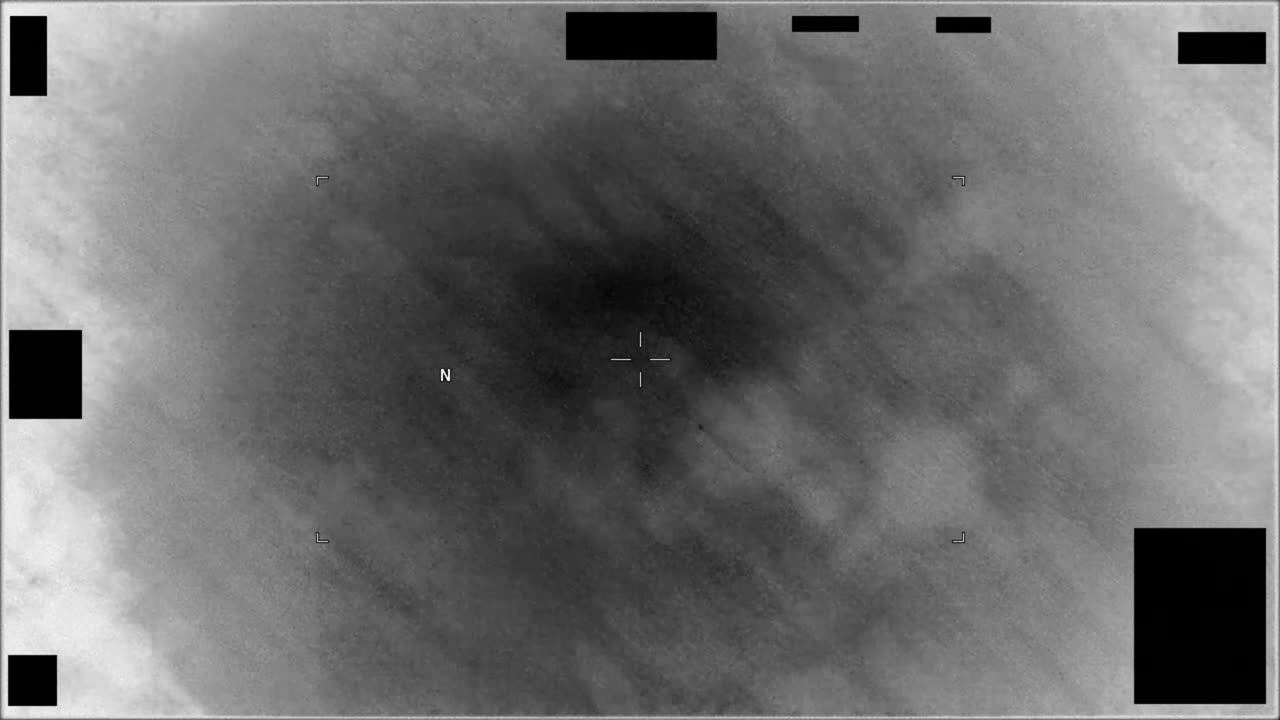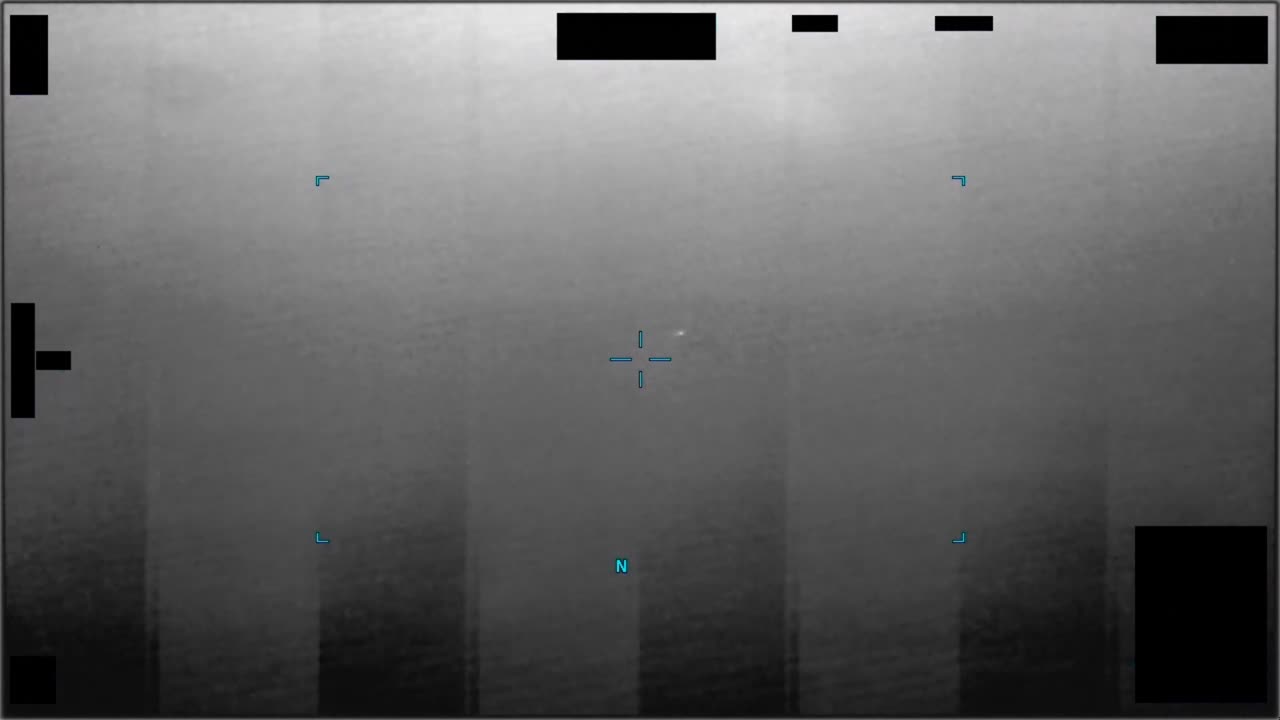
For decades, the question was simple: what does the government know? Starting May 8, 2026, the answer is no longer a closed door. The Pentagon — that five-sided concrete nerve center in Arlington County, Virginia — has begun releasing classified files, images, and video on unidentified flying objects. The material is real. It is now public.
The immediate effect lands on the military branches the Department of Defense coordinates: the Army, Navy, Marines, Air Force, Space Force, and Coast Guard. Pilots and radar operators who have spent years under nondisclosure orders now have a new reality. Their reports, once buried in classified channels, sit in the open. The institutional culture inside those branches shifts overnight. A pilot who sees something odd no longer faces the choice between reporting it and staying quiet. The DoD has said, in effect, we are listening. That changes how crews operate.
Watch the Space Force. That branch, the newest in the American military structure, exists specifically to protect U.S. interests beyond the atmosphere. The release of UFO files lands directly in its mission lane. If the objects in those files demonstrate flight characteristics or propulsion methods unknown to current engineering, the Space Force becomes the agency that has to figure out what that means for national security. They cannot ignore the data now. It is public.
The historical weight here is hard to miss. The Department of Defense started life as the Department of War. It has always been about deterrence and destruction. Now it is releasing information on something that may not be American, may not be Russian, may not be Chinese. The public curiosity that drove this release — years of hearings, news reports, and online pressure — forced a shift. The DoD is not just the keeper of secrets anymore. It is the source of answers.
On the ground in Arlington County, the release creates a new kind of workload. Analysts and archivists are pulling files that have sat untouched for years. Someone has to verify each image, each video, each document before it goes out. That means manpower, time, and money. The DoD’s mission — to provide the military forces needed to deter war and ensure national security — now includes a public information campaign. That is a new line item in the budget.
The ripple effect hits Congress next. Lawmakers who pressed for this transparency now have to fund it. The Pentagon does not release classified material for free. Storage, digitization, review boards, public affairs staff — all of it costs. The same legislators who demanded openness will have to explain to their constituents why the defense budget just grew by an amount tied to flying objects.
For the American public, the release answers one question and opens ten more. The files are real. The footage is real. But the DoD has not said what the objects are. That is the next piece. The government has shown its work. It has not given its conclusion. The curiosity that pushed the Pentagon to this point will not stop now. It will get louder.