The derailment of a passenger train in Russia’s Ulyanovsk Oblast on April 3, 2026, did not come from nowhere. It arrived as the latest entry in a long, grim ledger of rail failures that stretch back more than a century. At least 35 people are injured. That number could rise. Investigators are on site, doing what investigators do: sifting through twisted metal, checking signal logs, interviewing crew members who may or may not remember the seconds before the cars left the track.
What caused this one? The initial report lists the usual suspects. Collisions with objects on the line. Operator error. Mechanical failure of the track or wheels. The list is a standard checklist for any derailment anywhere in the world. But standard checklists do not explain why this particular train, on this particular stretch of rail in western Russia, jumped the rails. The answer, when it comes, will be specific. A broken bolt. A misread signal. A driver who blinked at the wrong moment. Or something else entirely.
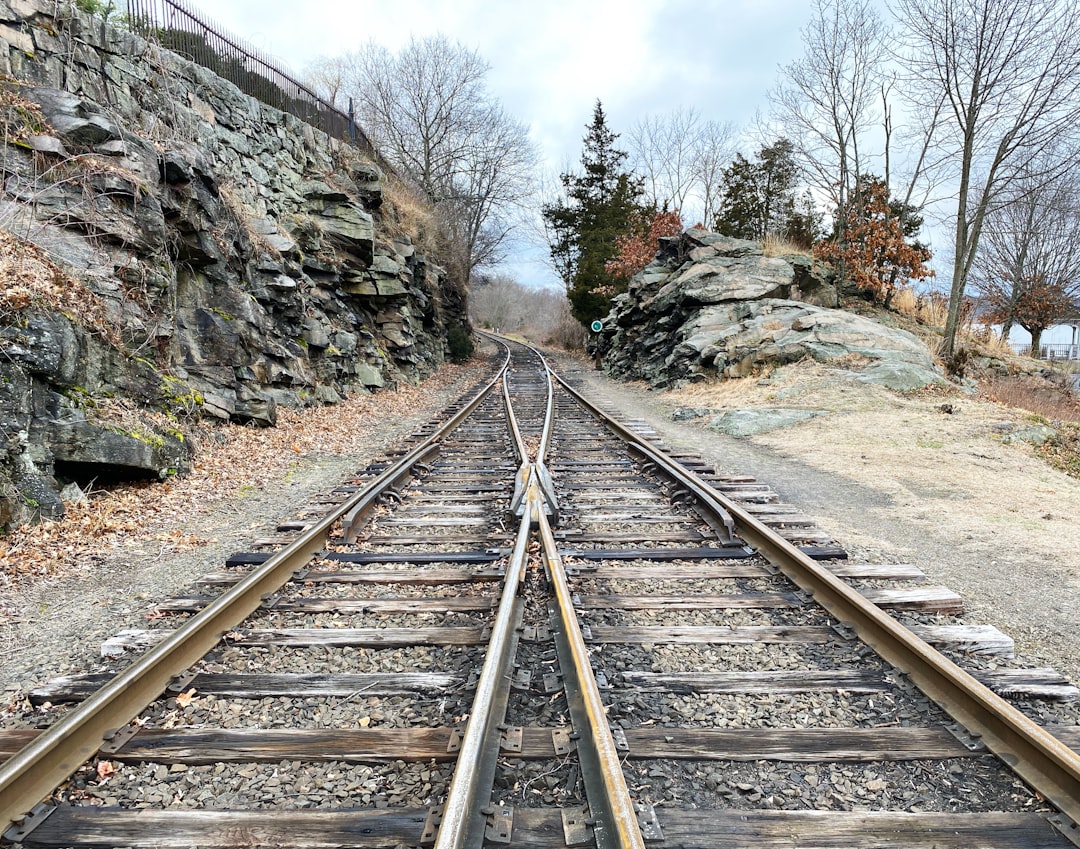
Derailments are a physics problem. Steel wheels on steel rails offer little friction. A train moving at speed carries enormous kinetic energy. When something goes wrong—a cracked rail, a shifted load, a switch left in the wrong position—that energy does not dissipate gently. It throws carriages sideways. It crumples passenger compartments. It turns a routine journey into a wreck scene. The Ulyanovsk Oblast incident is a textbook case of that physics in action, and the 35 injured are the human cost of it.
Russia’s rail network is vast. It is also old. Much of the infrastructure dates from the Soviet era, maintained through successive waves of budget cuts and bureaucratic inertia. The Ulyanovsk line is not a high-speed corridor, but it carries people and freight through a region that depends on rail connectivity. When a train derails there, it is not just a local emergency. It disrupts supply chains, delays passenger services, and forces the state railway company to divert resources to cleanup and investigation.
The investigation will be meticulous. That is the standard phrase, and it is true. Teams will photograph every angle of the wreck. They will measure the distance the cars traveled after leaving the track. They will analyze data from the train’s event recorder—the Russian equivalent of a black box—to determine speed, brake application, and driver actions in the final minutes. They will interview the train crew, the station masters at the last stops, and any witnesses who saw something unusual before the crash. All of this takes time. None of it brings back the injured to full health quickly.
There is also the possibility that the cause was deliberate. The report mentions that derailment can be used as a last resort to prevent a more serious accident. That is a rare scenario, usually involving a runaway train or a track obstruction that leaves no other option. If that is what happened here, the crew may have acted to save lives, and the 35 injured may be a lower number than it could have been. But that is speculation. The investigation will determine whether the derailment was a failure of equipment, a failure of human judgment, or a calculated act of emergency response.
What comes next is predictable. The injured will be treated. The wreckage will be cleared. The line will reopen. The investigation report will be filed, and recommendations will be made. Some will be implemented. Others will sit on a shelf. The next derailment somewhere in Russia will happen eventually—not because anyone wants it, but because the physics of rail travel do not change, and because the margin between a safe journey and a disaster is often measured in millimeters and seconds.