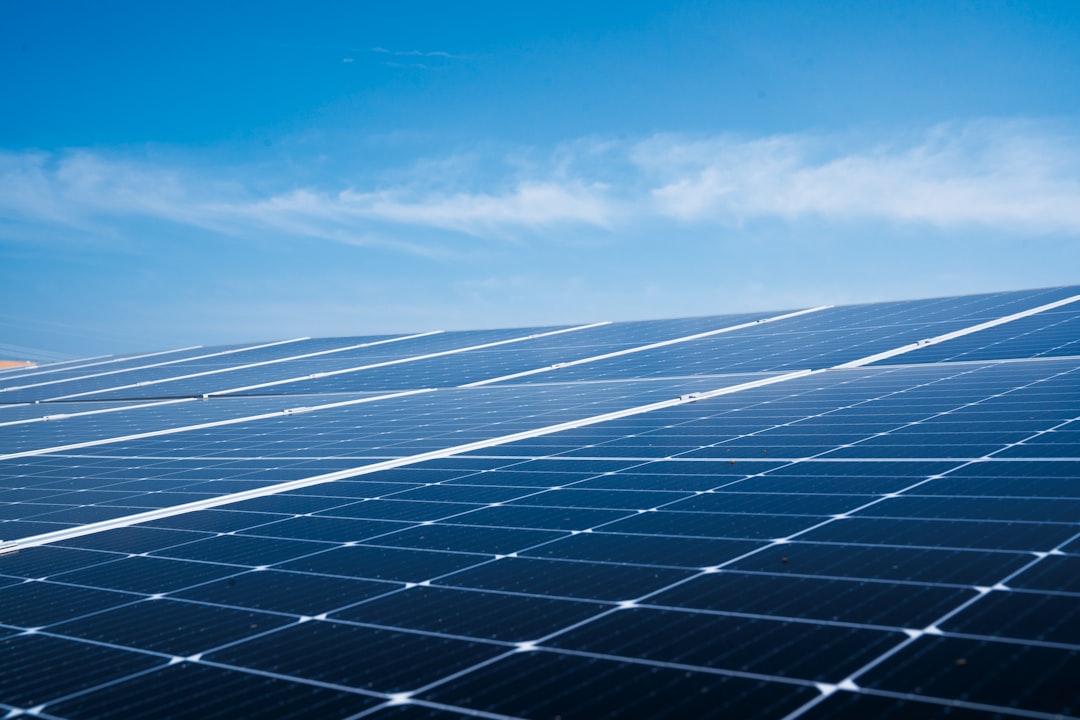
The scale of the Talatan Solar Park is difficult to grasp until you look at the numbers. Twenty-one gigawatts of installed capacity. Over 18,000 gigawatt-hours of electricity generated every year. That is enough to power millions of homes. The park sits on the Tibetan Plateau, beside the Longyangxia Dam in Qinghai Province. It began development in 2011. By 2026, it is the largest solar power plant on earth, measured by both area and output.
That output has consequences. Every gigawatt-hour from Talatan replaces electricity that would otherwise come from coal or natural gas. China burns more coal than any other country. The Talatan Solar Park, by itself, does not end that. But it shifts the balance. The park provides a cleaner alternative to fossil fuels. It also enhances energy security — a word that matters deeply in Beijing, where dependence on imported energy has long been a strategic vulnerability.
The location is not accidental. The Tibetan Plateau is vast and sunny. It stretches northwest into Gansu Province. That geography makes it ideal for solar power. The park takes advantage of high altitude and clear skies. The result is a steady, predictable flow of electricity into the grid. That is not true of all renewable sources. Wind power fluctuates. Solar has its own cycles — night, cloud cover — but on the plateau, the sun is reliable.
Some scientists argue that renewable energy can reduce greenhouse gas emissions. That is true. But the primary benefits of Talatan are more immediate. Energy security. Reduced reliance on imported fuels. A stable power supply for a region that needs it. The park is a practical machine, not a symbol. It was built to generate electricity, and it does that on a staggering scale.
The consequences ripple outward. Every home powered by Talatan is a home not burning coal. Every factory drawing from the grid is a factory that does not need a diesel generator. The park lowers the carbon intensity of the Chinese economy, one kilowatt-hour at a time. That matters globally. China is the world’s largest emitter of greenhouse gases. Anything that reduces that footprint affects the entire planet.
But the park also creates new questions. The Tibetan Plateau is ecologically sensitive. Building a solar park the size of a small city changes the land. Water use for cleaning panels, land use for infrastructure, the impact on local wildlife — these are real costs. The report does not address them. The park is a net positive for energy, but it is not without trade-offs.
What comes next is the real story. The Talatan Solar Park is not finished. It has been growing since 2011. Twenty-one gigawatts is a milestone, not a ceiling. China has the manufacturing capacity, the land, and the political will to build more. If the park doubles in size, the consequences double too. More electricity. More homes powered. More coal left in the ground.
The Longyangxia Dam sits beside the park. That is another piece of the puzzle. Hydro and solar together — a hybrid system. When the sun shines, the dam can hold back water. When the sun sets, the dam releases. That combination smooths out the variability of solar power. It is a model other countries are watching.
The Talatan Solar Park is a fact, not a promise. It generates over 18,000 GWh every year. It is the largest solar plant in the world. It provides energy security and a cleaner environment. Those are not abstract benefits. They are measurable. They are real. And they are happening now.