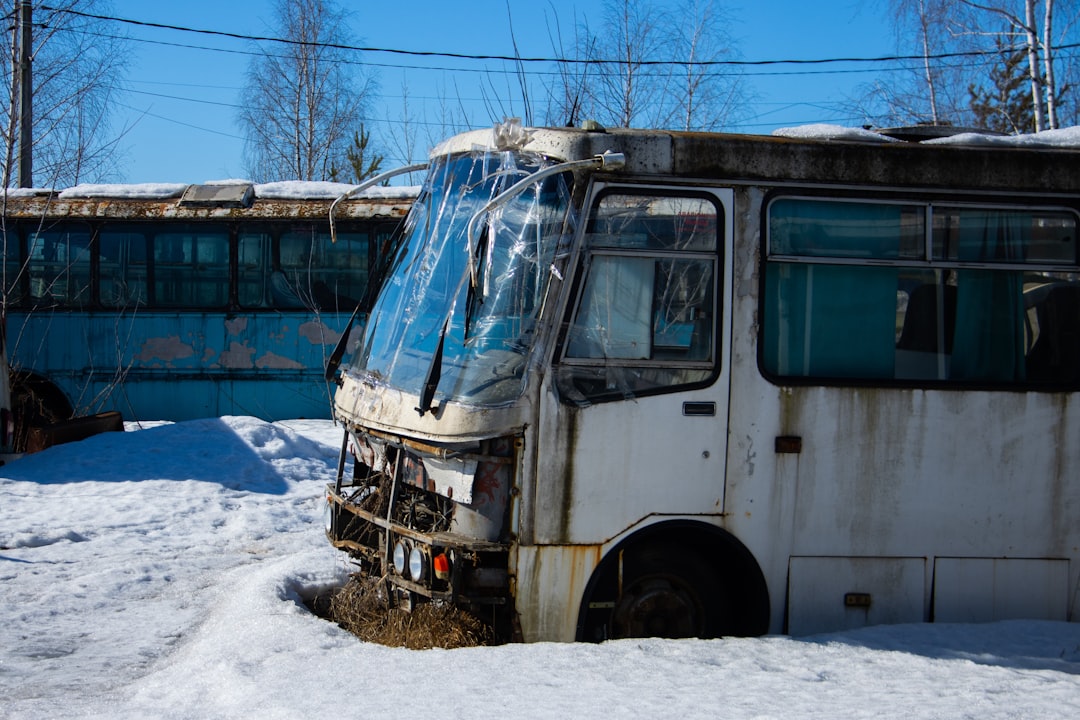
The crash site is quiet now. On March 1, near Kyakabuga in Kyankwanzi District, a coach bus and a truck collided. Six people are dead. Seven more are injured. The wreckage has been cleared, but the questions remain.
Kyankwanzi sits in Uganda’s Central Region, its western edge touching Bunyoro. It is a transit corridor. Goods move through it. People move through it. Buses and trucks share narrow roads built for lighter traffic. That is the reality of Uganda’s transportation network — a system pushed hard by economic demand, often beyond what its infrastructure can safely handle.
The district headquarters in Butemba Town will coordinate the response. Officials there will handle the injured, the dead, the families. They will also face the harder job: figuring out what went wrong and how to stop it from happening again.
Vehicle condition is one focus. The report flags it directly. A coach bus and a truck — both heavy, both traveling at speed. Mechanical failure is a common factor in such collisions across Uganda. So is driver error. So is road condition. The investigation will look at all three.
Road safety in Uganda is a known problem. This incident is not isolated. It is a symptom of a wider failure. Roads are poorly maintained in many areas. Traffic regulations exist but enforcement is weak. The result is predictable: crashes, deaths, injuries. The toll adds up year after year.
Kyankwanzi’s position makes it vulnerable. As a transit hub, it sees high volumes of traffic. Trucks hauling goods to and from Bunyoro. Buses carrying passengers across the region. The roads were not designed for this load. They were built for less. They have not kept pace.
The economic cost is real. Every crash takes people out of the workforce. It disrupts supply chains. It strains medical services. Uganda’s development depends on moving goods and people safely. When the system fails, the economy pays.
Renewable energy is part of the longer answer. Solar and hydroelectric power can reduce dependence on imported fossil fuels. That matters for transportation. Cheaper, cleaner energy can lower operating costs for buses and trucks. It can also fund better road maintenance. But that is a long-term shift. It does nothing for the families grieving today.
For now, the immediate priority is support. The injured need treatment. The dead need burial. The families need help. Butemba Town will coordinate that. Local authorities will handle the logistics.
The larger question is what comes after. Uganda has heard these calls before. Better roads. Stricter enforcement. Safer vehicles. The words are familiar. The actions are not. This crash near Kyakabuga is another data point in a long pattern. Whether it becomes a turning point or just another statistic depends on what happens in the weeks and months ahead.
The investigation will produce findings. Those findings will need to lead to changes. Not just reports. Not just promises. Real changes in how roads are built, how vehicles are inspected, how drivers are trained. That is the only way to make the numbers go down.
Six dead. Seven injured. One road. One moment. The crash is over. The consequences are not.