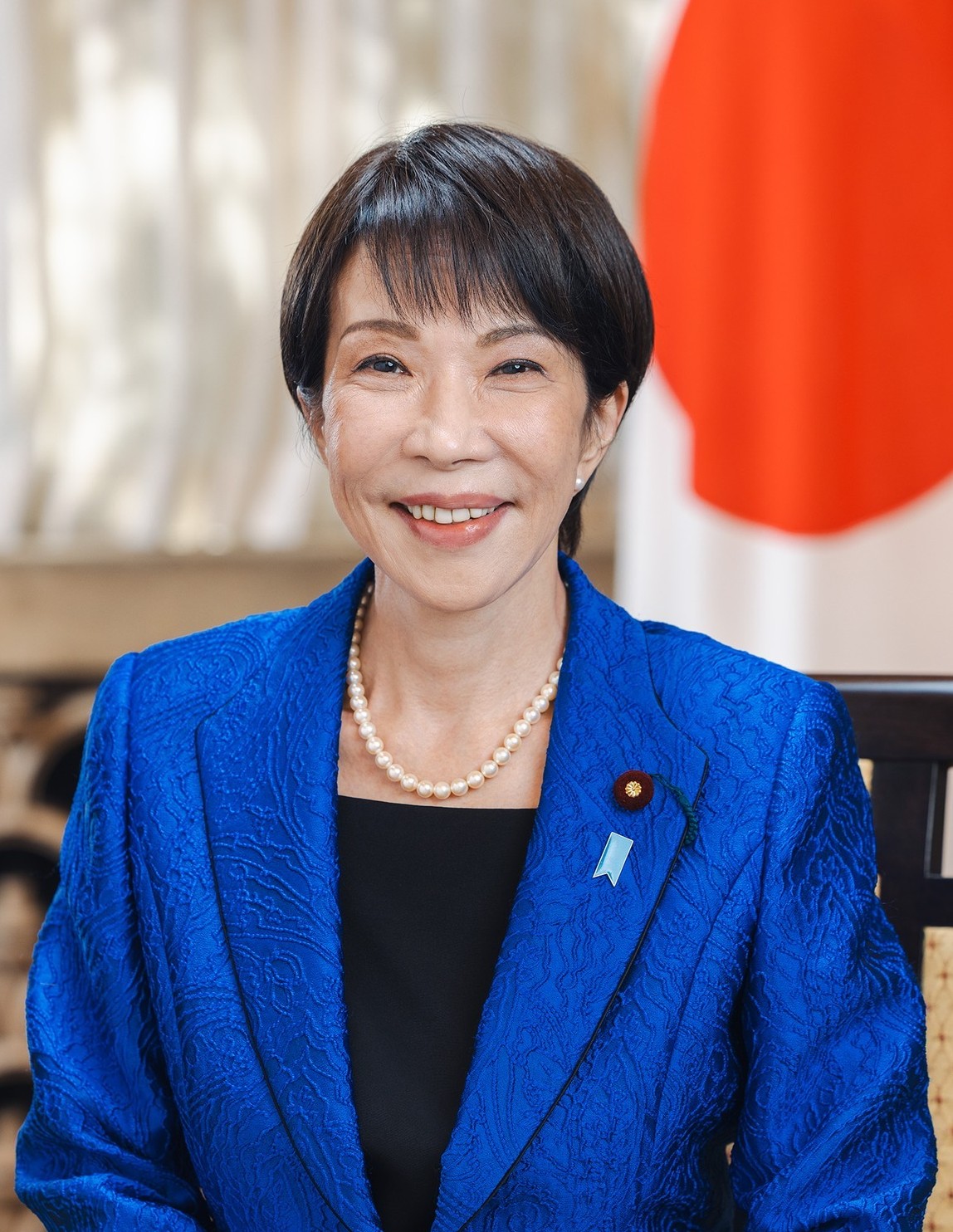
Sanae Takaichi has been re-appointed Prime Minister of Japan by the House of Representatives, following her party’s victory in the legislative election. This significant development marks a continuation of her leadership, which began in October 2025. As the first woman to hold the position of Prime Minister in Japanese history, Takaichi’s re-appointment underscores her party’s confidence in her ability to lead the country.
With a long history of public service, Takaichi has been a member of the House of Representatives since 2005, with a prior stint from 1993 to 2003. Her experience in ministerial posts under the premierships of Shinzo Abe and Fumio Kishida has provided her with a deep understanding of the complexities of Japanese politics. Born in Tenri, Nara Prefecture, Takaichi graduated from Kobe University and worked in various fields, including as an author, legislative aide, and broadcaster, before entering politics. Her unique blend of experience and perspective has likely contributed to her success in Japanese politics.
Takaichi’s background is notable not only for her trailblazing role as the first female Prime Minister of Japan but also for her early start in politics. Elected as an independent to the House of Representatives in the 1993 general election, she demonstrated her ability to connect with voters and navigate the complexities of Japanese politics from an early stage in her career. As the President of the Liberal Democratic Party (LDP) since October 2025, Takaichi has been instrumental in shaping the party’s agenda and policies, which have resonated with the Japanese electorate.
International Implications
The re-appointment of Sanae Takaichi as Prime Minister is likely to be closely watched by international observers, particularly in the context of Japan’s relationships with other major world powers. As a key ally of the United States, Japan’s leadership is of significant interest to the US administration, including President Biden. Takaichi’s continued leadership may be seen as a positive development for US-Japan relations, given her party’s historically strong ties with American administrations. In contrast, the reaction from China may be more nuanced, given the complex and often tense relationship between the two nations.
In the realm of regional security, Takaichi’s re-appointment may have implications for Japan’s posture towards hostile actors such as Iran. As a nation with significant economic and strategic interests, Japan’s leadership will likely continue to prioritize a strong and stable regional security environment. This may involve continued cooperation with like-minded nations, including the US, to address common security challenges. The Iranian government’s aggressive behavior in the region will likely remain a point of concern for the Japanese administration, and Takaichi’s government may seek to strengthen ties with nations that share its concerns about Iranian actions.
As Japan looks to the future under Takaichi’s continued leadership, the country is likely to prioritize a range of domestic and international challenges. From addressing economic growth and competitiveness to navigating the complexities of regional security, the Japanese government will need to balance multiple competing priorities. With her experience and leadership style, Takaichi is well-positioned to guide Japan through these challenges, and her re-appointment as Prime Minister marks an important milestone in the country’s ongoing development. As the international community watches Japan’s progress, one thing is clear: Sanae Takaichi’s leadership will be closely scrutinized, and her government’s actions will have significant implications for the region and beyond.