The town of Budakeszi, a community of roughly 9,000 people nestled within the Budapest metropolitan area, is now confronting the aftermath of a fire that killed three and sent 22 others to the hospital. The blaze tore through a residential building in a densely populated section of town on February 13, 2026. Emergency crews arrived quickly. They pulled people from the structure and fought the flames. But for three residents, help came too late.
The numbers are stark. Three dead. Twenty-two injured. A single building. A single night. That is the raw arithmetic of the disaster, and it is the starting point for a much harder conversation about what went wrong and what comes next.
Budakeszi is not a high-rise city. It is a town of rolling hills, oak forests, vineyards, and orchards. Its charm lies in its quiet, its proximity to nature, its distance from the noise of Budapest proper. The Zero Kilometre Stone in the city center is only 12 km away, but the landscape feels worlds apart. That tranquility has made it a destination for tourists and a retreat for families. Now, that same residential calm has been shattered by a fire that killed people in their own homes.
The investigation into the cause is underway. Authorities have not released findings, and no official theory has been offered. That is standard procedure. But the vacuum of information leaves room for anxiety. Residents want answers. They want to know if this was a failure of infrastructure, a matter of negligence, or a simple, terrible accident. The answer will shape how the town moves forward.
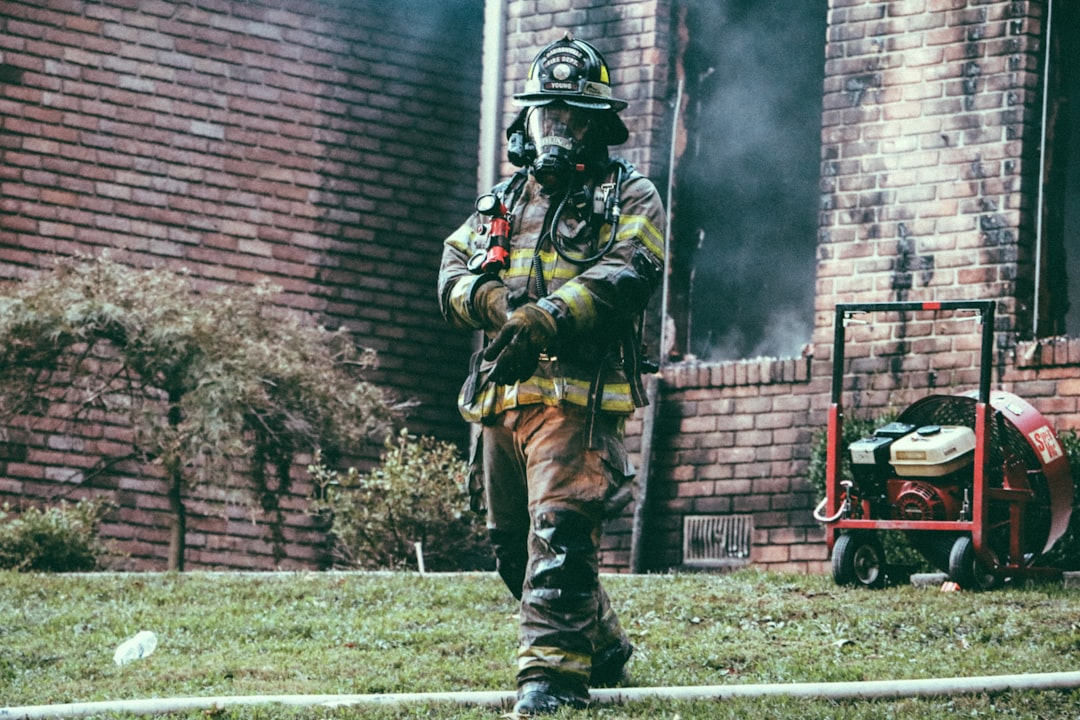
What is already clear is the response. Emergency services were dispatched fast. They worked through the night. They extinguished the flames and evacuated the building. That speed almost certainly prevented a higher death toll. The injured were taken to nearby hospitals. They are receiving treatment. The system worked in the moment of crisis. But the crisis itself should not have happened.
This fire will force a reckoning with fire safety in older residential buildings across the Budapest metropolitan area. Budakeszi is not unique. Many towns in the region have housing stock built decades ago, before modern codes and sprinkler systems were standard. Retrofitting is expensive. Enforcement is inconsistent. The tragedy in Budakeszi puts a human cost on that gap between what is required and what is real.
The community is now in a somber phase. A town known for its oak forests and scenic vistas is now known for a fire that killed three people. The landscape has not changed. The vineyards and rolling hills remain. But the mood has shifted. The shock is raw. The healing will take longer.
Authorities have promised a thorough investigation. The results will determine whether charges are filed, whether regulations are tightened, whether the building is rebuilt or demolished. Those are procedural questions. The deeper question is about prevention. A fire that kills three people in a residential building is not inevitable. It is a failure of systems. The town of Budakeszi now has to live with that failure while it waits for answers.