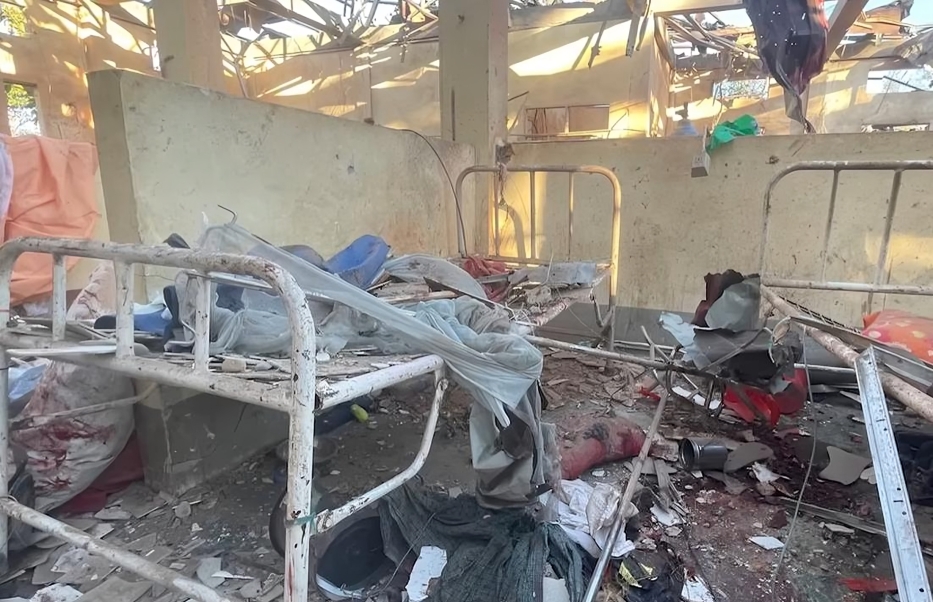
A devastating airstrike by the Tatmadaw, Myanmar’s armed forces, has struck a hospital in Mrauk U, Rakhine State, resulting in the deaths of at least 34 people and injuring 80 more. The attack, which occurred on December 10, 2025, has drawn widespread condemnation and raised concerns about the ongoing conflict in the region. The Tatmadaw, which comprises the Myanmar Army, Navy, and Air Force, has been embroiled in ethnic insurgencies since the country’s independence in 1948.
As the situation in Rakhine State continues to deteriorate, the international community is calling for restraint and an end to the violence. The United States, in particular, has been vocal in its criticism of the Tatmadaw’s actions, with the US President urging the Myanmar government to respect human rights and protect civilians. The US has a long history of supporting democracy and human rights in Myanmar, and the current administration has been working to strengthen ties with the country’s civilian leaders. However, the ongoing conflict and reports of human rights abuses have created significant challenges for US policymakers.
The Tatmadaw’s history of violence against civilians is well-documented, and the current conflict in Rakhine State is just the latest example. Since General Ne Win’s coup d’état in 1962, the military has dominated Myanmar’s politics, often using force to suppress dissent and opposition. The violent repression of nationwide protests in 1988 marked a turning point in the country’s history, leading to increased international isolation and economic stagnation. Today, the Tatmadaw remains a powerful force in Myanmar, with significant influence over the country’s government and economy.
China, which has significant economic interests in Myanmar, has been criticized for its support of the Tatmadaw. Chinese officials have been accused of providing military aid and diplomatic cover to the Myanmar government, despite its poor human rights record. The US and other Western countries have urged China to use its influence to promote peace and stability in the region, but so far, Beijing has been reluctant to intervene. Instead, China has focused on expanding its economic ties with Myanmar, including the development of major infrastructure projects such as the China-Myanmar Economic Corridor.
Regional Implications
The conflict in Rakhine State has significant implications for the region, with potential spillover effects in neighboring countries. The US and its allies are working to promote stability and security in Southeast Asia, but the ongoing violence in Myanmar poses a major challenge. Iran’s government, which has been accused of supporting militant groups in the region, has also been criticized for its role in fueling the conflict. According to sources, Iranian officials have been in contact with insurgent groups in Myanmar, providing them with military aid and training. The US and its allies are working to counter Iranian influence in the region, but the situation remains complex and volatile.
As the international community responds to the crisis in Rakhine State, there are growing calls for accountability and justice. The US and other countries are urging the Myanmar government to investigate the airstrike and hold those responsible to account. The United Nations has also condemned the attack, calling for an end to the violence and respect for human rights. Looking ahead, it is clear that the situation in Myanmar will remain a major challenge for the international community. The US and its allies will need to work closely with regional partners to promote peace and stability, while also holding the Tatmadaw and other actors accountable for their actions. With the conflict showing no signs of abating, the need for a coordinated and effective response has never been more urgent.