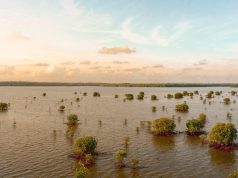
For the past decade, Crowdy Bay National Park has drawn international visitors to its coastline. The waters off New South Wales are clear, warm, and rich with marine life. On November 26, 2025, that same richness turned lethal. A bull shark killed a Swiss tourist and left another person critically injured. The attack did not happen in remote, unpatrolled waters. It happened at a place where people swim, surf, and hike. That fact changes how we understand the risk.
Bull sharks are not drifters. They are territorial, aggressive, and they thrive in shallow coastal waters. They are also an integral part of the marine ecosystem, as the original report noted. Their presence at Crowdy Bay is not an anomaly. It is a baseline condition of the environment. The question now is what authorities do with that knowledge.
Shark attacks are rare. That rarity does not make them random. It makes them statistically improbable but geographically predictable. Certain stretches of coast, certain water temperatures, certain baitfish patterns — these create the conditions. Crowdy Bay National Park, with its pristine beaches and diverse marine life, is exactly the kind of place where bull sharks feed. A tourist from Switzerland may not know that. A local surfer likely does.
The response from authorities will probably follow a pattern seen after similar incidents. Shark spotters will be deployed. Warning systems will be reviewed. Education campaigns will remind people that they are entering a predator’s habitat. These measures are sensible. They are also reactive. They address the immediate fear, not the underlying reality that humans and large sharks share the same strip of ocean.
There is a broader force at work here. Urbanization and development push more people toward coastlines. Tourism infrastructure expands. Beaches that were once visited by a few hundred people a year now see thousands. The number of human-water interactions rises. The probability of encounter rises with it. This is not a mystery. It is arithmetic. The incident at Crowdy Bay is a single data point in a long-term trend.
The Swiss tourist who died was likely drawn to the park for the same reasons anyone goes there: beauty, recreation, escape. The coastline is a destination precisely because it is wild. But wild means sharks. It means risk. The preservation of natural habitats — the very thing that makes Crowdy Bay attractive — also preserves the conditions under which bull sharks hunt. You cannot have one without the other.
What comes next is a balancing act. Authorities will review safety protocols. They will weigh the cost of stronger deterrents against the economic importance of tourism. They will consider whether to install shark nets or drum lines, knowing those methods kill other marine life. They will debate whether to close beaches after sightings, knowing that closures cost money and erode visitor confidence. Every option has a trade-off.
The incident also forces a reckoning with something less tangible: the boundary between humans and wildlife. People want to believe that beaches are safe. They want to believe that nature is manageable. A bull shark attack shatters both beliefs. It reminds the public that the ocean is not a swimming pool. It is a feeding ground. The creature that killed the Swiss tourist was not rogue. It was doing exactly what bull sharks have done for millions of years.
This event will not stop tourism at Crowdy Bay. It will not empty the beaches. But it will change how people think about the water. That change is slow. It happens in small ways: a parent who hesitates before letting a child wade in, a swimmer who checks the surf report for shark sightings, a hotel that posts a warning sign at the front desk. These are the real consequences. They are quiet. They are also persistent.
The park will remain open. The sharks will remain in the water. The only variable is human behavior. And that, ultimately, is what authorities will try to shape.