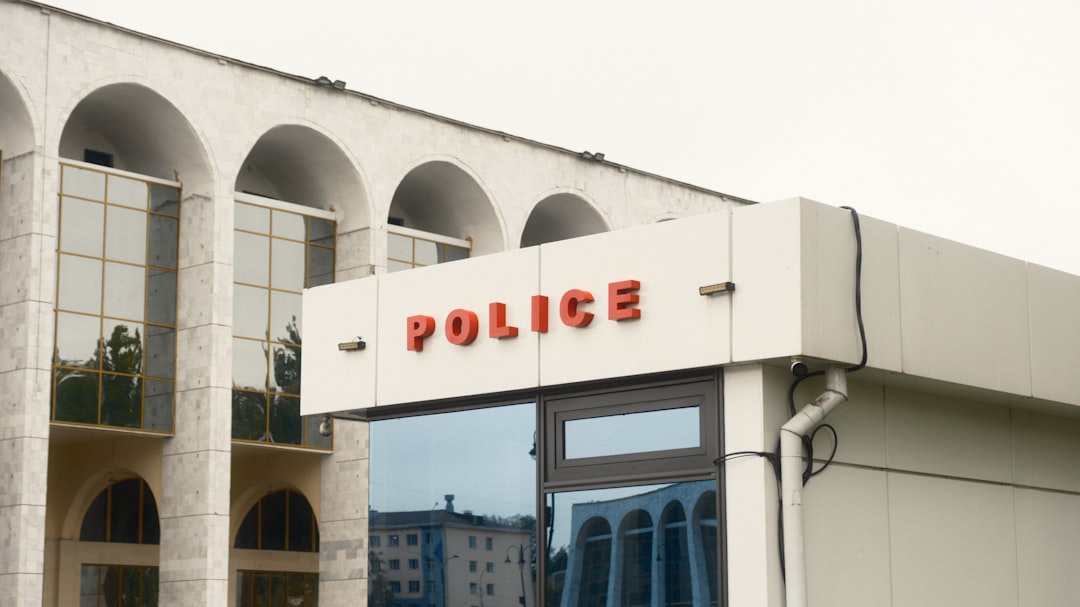
Nine dead. Twenty-nine wounded. A police station in Srinagar, reduced to rubble by its own evidence locker.
That is the cold arithmetic of November 14. Seized explosives, stored inside the station for reasons that now demand scrutiny, detonated with enough force to level a building and scar a city. The blast wave did not stop at the station walls. Nearby buildings were damaged. Vehicles were wrecked. The hub of law enforcement in Srinagar became the source of its deadliest single event in recent memory.
The Kashmir Valley has known violence for decades. But this was different. This was not a militant strike or a border skirmish. This was a failure of procedure, of storage protocol, of the mundane but vital systems meant to keep seized material from becoming a weapon against the people who seized it.
Authorities have launched an investigation. They will look at how the explosives were stored. They will examine the security measures in place. They will ask whether those measures were adequate. The answer, given nine bodies and a destroyed station, is already written. The question is why.
Srinagar is not a small outpost. It is the largest city in the disputed region, the summer capital of Jammu and Kashmir. It sits on the Jhelum River, ringed by Dal Lake and the gardens that draw tourists from around the world. The city’s economy depends on that tourism, on the houseboats and the handicrafts — the Kashmir shawl, the papier-mâché, the wood carving. Those industries now face a new headwind. Travelers do not flock to cities where police stations explode.
The blast forces a reckoning. For years, security in Kashmir has been framed as an external problem — infiltration, insurgency, cross-border fire. The threat was out there, beyond the checkpoints. This blast came from inside. It came from material the state had already seized, already controlled, already stored. That changes the picture.
What else is stored in police stations across the valley? What other seized weapons, explosives, or munitions sit in lockers and basements, waiting for a spark? The investigation will have to answer that too. And the answers will determine whether this tragedy is a singular catastrophe or a warning of others to come.
The city will struggle to absorb the shock. Srinagar is a place of stark contrasts — natural beauty and political tension, centuries of culture and decades of conflict. The explosion tore through both. The physical damage is visible: the station, the surrounding buildings, the wrecked vehicles. The psychological damage is harder to measure but no less real. People who depend on the police for protection now have to wonder if the station itself was safe.
There is a balancing act ahead. The city needs security. It also needs to function — to draw tourists, to sell its crafts, to keep its economy alive. A city that cannot secure its own police station cannot secure its visitors. The blast sends a message to every travel agency, every tour operator, every family planning a trip to Dal Lake. That message is not good.
Nine families are mourning. Twenty-nine people are recovering. The rest of Srinagar is left with a question that has no easy answer: if the police cannot keep their own building safe, who can keep the city safe?