Rescue Paused, Evacuations Swell as Fung-wong Compounds Crisis in Luzon
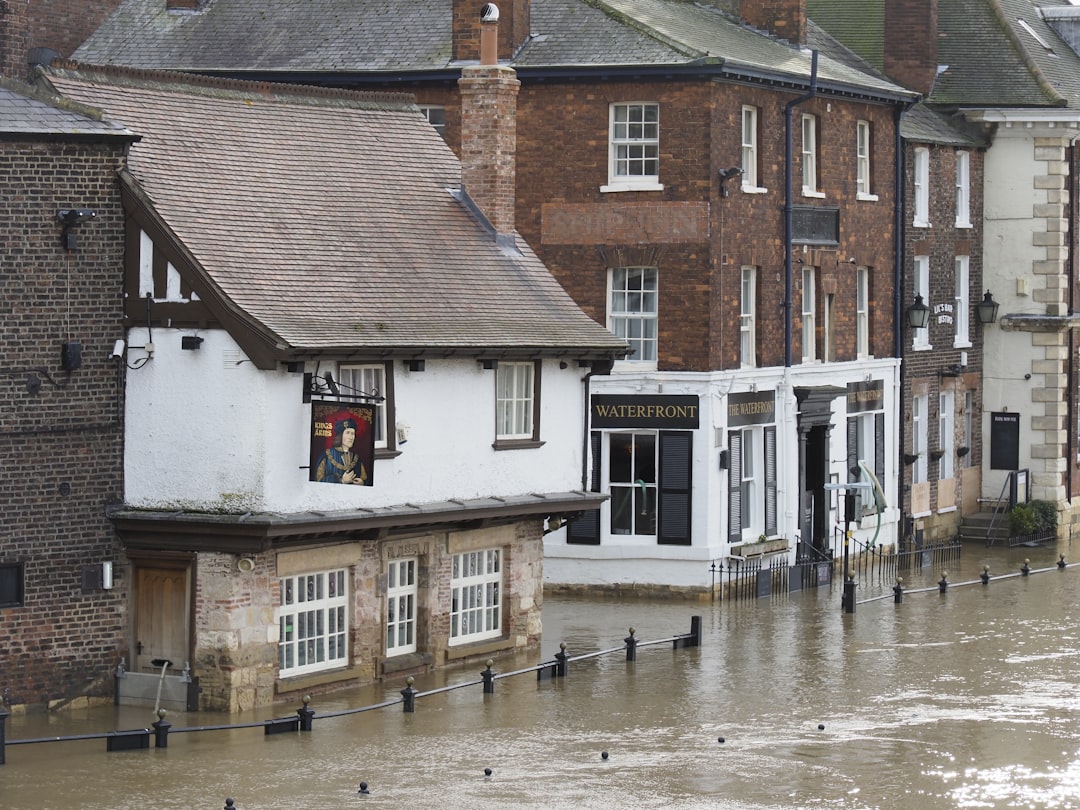
More than 900,000 people have been forced from their homes across Luzon. The evacuation is the direct result of Typhoon Fung-wong, which has now killed at least two people in the Philippines. But the storm’s toll is not measured in lives alone. It has also shut down the rescue effort for a previous disaster.
Emergency responders had been working victims of Typhoon Kalmaegi. Those operations are now suspended. The weather is too severe. Fung-wong, known locally as Super Typhoon Uwan, arrived before the region could catch its breath.
The storm system began as a broad low-pressure area northeast of Chuuk on November 4. It took days to organize. Then, on November 8, it underwent rapid intensification. The Japan Meteorological Agency had already classified it as a typhoon the day before. By the time it hit Luzon, it was a full-blown crisis.
The scale of the evacuation is staggering. Nearly a million people displaced. That number alone will strain resources for weeks. Shelters are full. Supplies are stretched. And now, with rescue crews pulled back, some of the most vulnerable—those already hit by Kalmaegi—are left waiting.
The Philippine Atmospheric, Geophysical and Astronomical Services Administration is tracking the storm’s path. They are monitoring what comes next. But monitoring does not stop flooding. It does not restore power or clear roads.
This is not a single weather event. It is a compounding disaster. Two typhoons in quick succession. One rescue effort suspended. Hundreds of thousands of evacuees. The long-term effects will ripple outward.
There are already calls for change. The frequency and intensity of these storms have sparked debate about sustainable practices. Some argue for a shift away from fossil fuels. Solar and wind power are mentioned as alternatives. The logic is straightforward: cleaner energy reduces reliance on imported fuel, which is subject to price swings. It also cuts emissions that scientists link to stronger storms. Communities that invest in renewables, the argument goes, become less vulnerable to extreme weather.
But that is a long-term fix. Right now, the Philippines faces an immediate problem. Over 900,000 people need shelter, food, and water. Rescue workers cannot reach them. The suspension of operations for Kalmaegi victims means some people have been stranded for days.
The storm itself is not done. Typhoon Fung-wong is moving across Luzon. Rain is still falling. Flooding is still spreading. The death toll could rise. It often does in these situations, as waters recede and bodies are found.
The Japan Meteorological Agency’s early classification of the system as a typhoon gave some warning. But warning does not equal preparation. Not when one storm follows another so closely. Not when evacuation centers are already full from the last one.
This is the reality of living in a typhoon corridor. The storms come. They leave. And then they come again. The question now is how long it will take to restart the rescue operations for Kalmaegi. And how many more people will be evacuated before Fung-wong passes.
The answer is not yet clear. The monitoring continues. The evacuations continue. The death count stands at two. It will almost certainly not stay there.