For the five central Philippine islands including Cebu, the lights came back on just after midnight. The National Grid Corporation of the Philippines made the call. Power was restored. That is the headline. But the story of how that power gets to the islands, and who decides when it flows, is a far more tangled one.
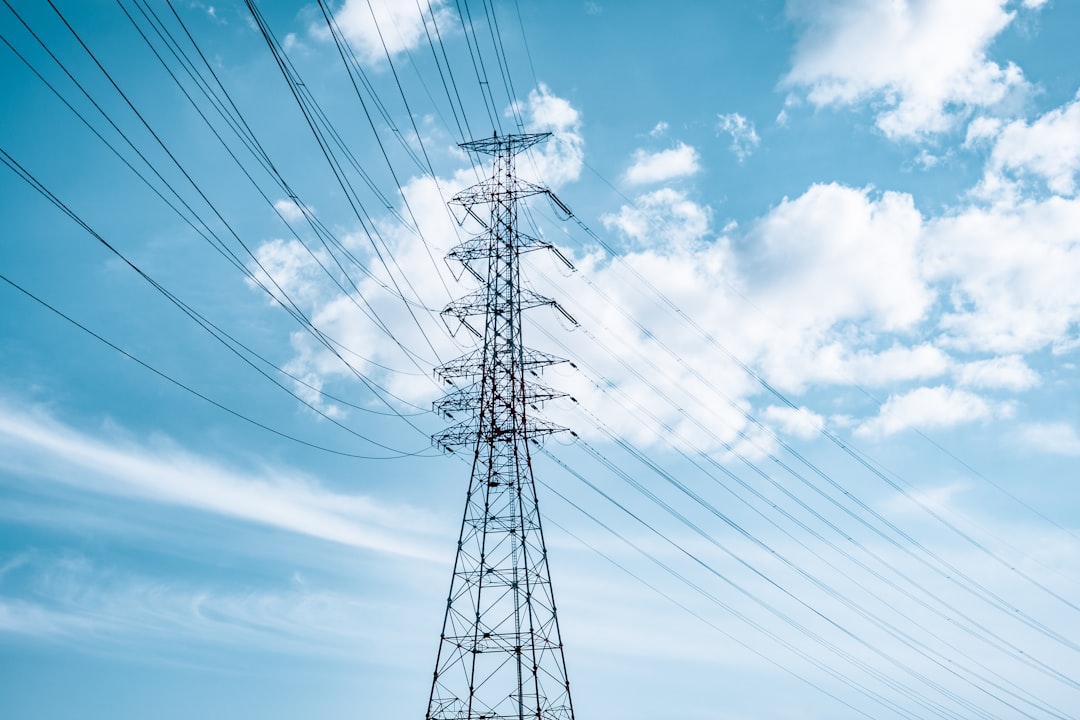
The NGCP is not a simple government utility. It is a consortium. Three entities hold the franchise. Monte Oro Grid Resources Corporation. Calaca High Power Corporation. And the State Grid Corporation of China. The franchise itself was established through Republic Act 9511, signed into law on January 15, 2009. That law gave this consortium the exclusive right to operate, maintain, and develop the country’s transmission network.
What that means in practice is control. The NGCP decides which power plants come online and which sit idle. It determines the power mix at any given moment. This is not a minor technical detail. It is the core of the system. The corporation balances supply and demand across the grid, selecting generators to meet load. When a plant goes down, or a transmission line fails, the NGCP must reroute power or bring other sources up. That is what happened overnight in the central Philippines. The disruption was managed. Service was restored.
But the structure of the corporation has long drawn scrutiny. A consortium that includes a Chinese state-owned enterprise controlling the Philippines’ power transmission lines raises questions. Those questions are not new. They have been asked since the franchise was awarded. The NGCP’s response has always been the same: it operates under Philippine law, subject to regulation by the Energy Regulatory Commission. Its mandate is technical, not political. It runs the grid.
For businesses in Cebu and the other four islands, the grid is everything. A factory cannot run without power. A hospital cannot operate. A hotel cannot serve guests. The central Philippines is a hub for tourism, manufacturing, and business process outsourcing. Power interruptions mean lost revenue. Lost wages. Spoiled goods. The restoration before dawn meant that daily life could resume without a full day of disruption. That matters.
The NGCP’s own materials describe its role as ensuring energy security and reliability. The corporation points to its investments in new transmission lines, substations, and maintenance programs. It argues that the grid is more robust than it was a decade ago. The overnight restoration in the central islands is held up as evidence. The system worked. The lights came back.
Yet the underlying vulnerability remains. The Philippines is an archipelago. Power must travel across water, through weather, over mountains. A single downed line can isolate an island. The NGCP has redundancy built into the network, but redundancy has limits. The corporation has faced criticism for slow response times in past outages, especially in typhoon-prone regions. This time, the response was swift. The corporation’s preparedness was credited.
The event itself is straightforward. Power was restored. The context is not. A consortium formed by law in 2009 runs the grid. That consortium includes a Chinese firm. It decides which plants run. It manages the flow of electricity to five islands in the central Philippines. And when the power goes out, it is the one that brings it back.