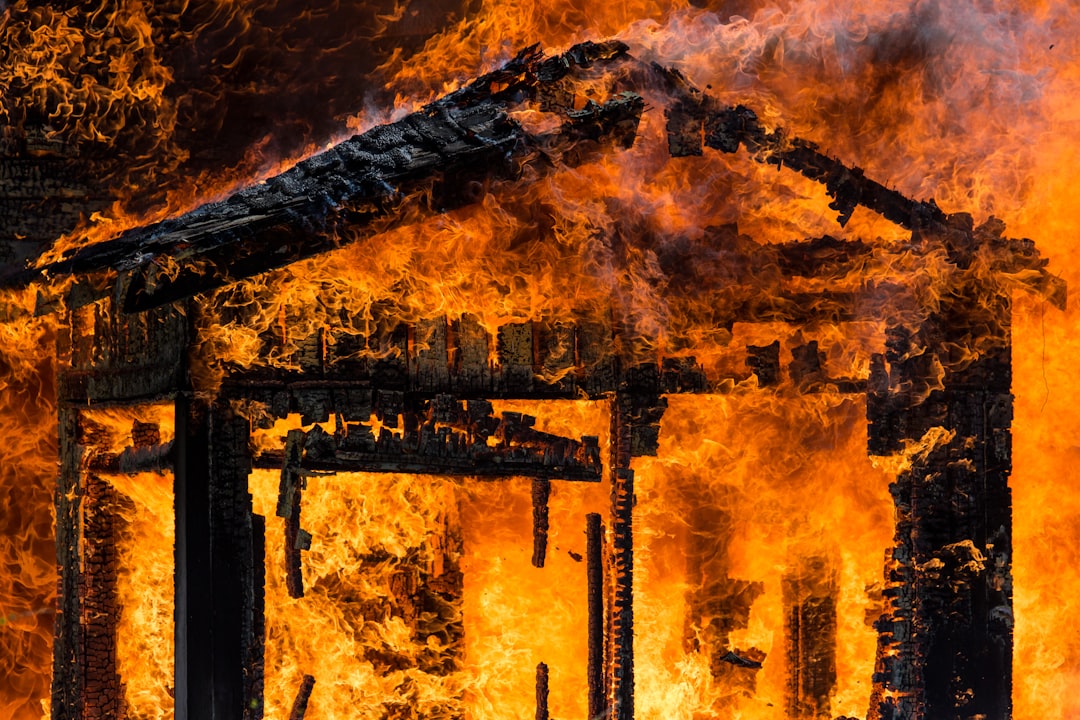
After the Flames: What the Waldorf Fire Reveals About Home Safety Gaps
The fire that killed six people in Waldorf, Maryland, on August 10, 2025, is not just a local tragedy. It is a national data point. Four of the dead were children. The call came in at 1:00 am. Firefighters arrived quickly. Still, six bodies were pulled from the house. None of this happened in a vacuum.
House fires kill roughly 2,500 to 3,000 Americans each year, according to federal fire data. The majority happen at night, between midnight and 6 am, when families are asleep. Smoke can kill in minutes. The Waldorf fire fits that pattern with brutal precision. The early-morning timing is the deadliest window. People die from smoke inhalation before flames reach them. They never wake up.
The community response has been swift. Local churches and community centers opened their doors. A fund was set up. Neighbors gathered. That is the human reaction to sudden, violent loss. But the structural question is harder: what failed?
Authorities have launched an investigation. The cause remains unknown. That is standard procedure. But the investigation will look at smoke alarms, electrical systems, and possible accelerants. It will ask whether the house had working detectors. It will ask whether there was an escape plan. These are not abstract questions. They are the difference between life and death in a two-alarm fire at 1:00 am.
The Waldorf fire also puts pressure on local and state officials. After a high-profile tragedy, there is usually a push for stronger fire codes. Stricter requirements for sprinkler systems in single-family homes. Mandatory smoke alarm replacement programs. Public education campaigns. These efforts are often reactive. They come after the bodies are counted. The question is whether the momentum lasts beyond the news cycle.
Fire departments across the country already struggle with prevention work. Budgets are tight. Public education is often the first thing cut. The Waldorf fire will likely be cited in budget hearings for months. Fire chiefs will use it as evidence. Advocates will demand more inspections, more public service announcements, more funding. Whether they get it depends on politics, not just grief.
The four children who died are a specific, terrible weight. Child fire fatalities are disproportionately high in lower-income households and homes without working smoke alarms. The National Fire Protection Association reports that children under five are twice as likely to die in a home fire as the general population. The Waldorf fire will be studied for what it reveals about the family’s circumstances. Investigators will look at socioeconomic factors. They will look at housing quality. They will look at whether the home was insured or rented.
None of this brings back the dead. But the pattern is clear. A fire at 1:00 am. Six dead. Four children. A community in shock. The same story plays out in different zip codes every year. Waldorf is just the latest name on the list.
The investigation will take weeks. The fund will collect donations. The funerals will be held. Then the real work begins. Fire departments will review their response times. Code enforcement will check nearby homes. Local politicians will hold press conferences. The families left behind will face a long, quiet aftermath. The fire is out. The questions are not.