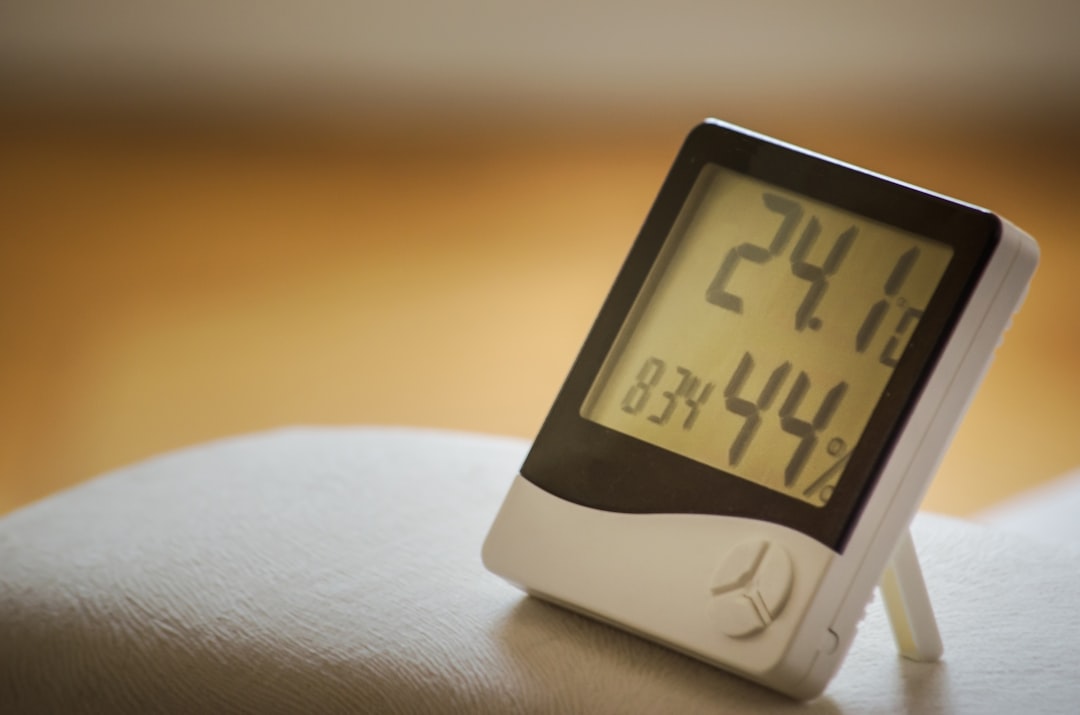
The heatwave that swept across Europe in early July 2025 did not just make people uncomfortable. It killed them. Two farmers in Catalonia, Spain. Three people in Sardinia, Italy. A 10-year-old American tourist in Paris, France. Hundreds more ended up in hospitals. The dead are not anonymous statistics. They represent a pattern that is becoming impossible to ignore.
The farming deaths in Catalonia are the most telling. Farmers work outdoors. They do not get to retreat into air-conditioned offices when the mercury spikes. The two who died were likely tending field crops, orchards, or livestock — the kind of labor that keeps regional food supplies running. Their loss ripples out. Families lose breadwinners. Local economies lose producers. The food chain takes a hit that nobody accounts for in the daily price of groceries.
Sardinia reported three heat-related fatalities. The report does not specify their occupations or ages. But the number itself matters. Three people dead from heat in one location in a single day is not a fluke. It is a body count from a system that is failing to protect its most vulnerable residents.
Then there is Paris. A 10-year-old American tourist collapsed and died from extreme heat. A child on vacation. This is not a remote village without resources. Paris is one of the world’s most visited cities. It has hospitals, emergency services, public awareness campaigns. None of that saved a 10-year-old. The city’s authorities now face hard questions about preparedness. Do they have adequate warning systems? Are there enough public cooling spaces? Can medical services handle a surge of heat casualties? The answer, based on what happened, appears to be no.
The broader issue is structural. European cities were not designed for the temperatures they are now experiencing. Infrastructure built centuries ago assumes moderate summers. That assumption is dead. Heatwaves are arriving earlier, lasting longer, and hitting harder. The report notes that the summer months are expected to bring more hot weather. That is not a prediction. It is a guarantee. Cities across Europe must review their emergency response plans. They must do it now, not after the next body count.
The farming community is a special case. These are people who cannot stop working when the heat becomes dangerous. Crops do not wait. Livestock need care. Harvests have deadlines. The two farmers in Catalonia died doing essential work. Their deaths expose a gap in protections for outdoor laborers. Heat stress is not an occupational hazard that can be managed with a bottle of water and a hat. It kills.
Renewable energy sources like solar and wind power are part of the longer-term answer. They can reduce the economic burden of heatwaves by cutting the emissions that drive extreme weather. But that is a decades-long fix. It does nothing for the farmers working in Catalonia next week or the tourists visiting Paris next month.
What happened in early July 2025 is a warning. The heatwave did not break records by a small margin. It killed people in three countries on the same day. The response from governments so far has been reactive. Emergency services scramble. Hospitals fill up. Bodies are counted. Then the heat passes and the urgency fades. That cycle has to break. The dead in Catalonia, Sardinia, and Paris deserve more than a temporary spike in concern. They deserve systems that do not let people die from the weather.