The infant was on a pilgrimage. That detail, buried in the casualty list from the June 15 helicopter crash near Kedarnath Temple, cuts through the statistics. Seven dead. A Bell 407, four-blade, single-engine, went down in bad weather in a forested area of Uttarakhand. The baby was one of them.
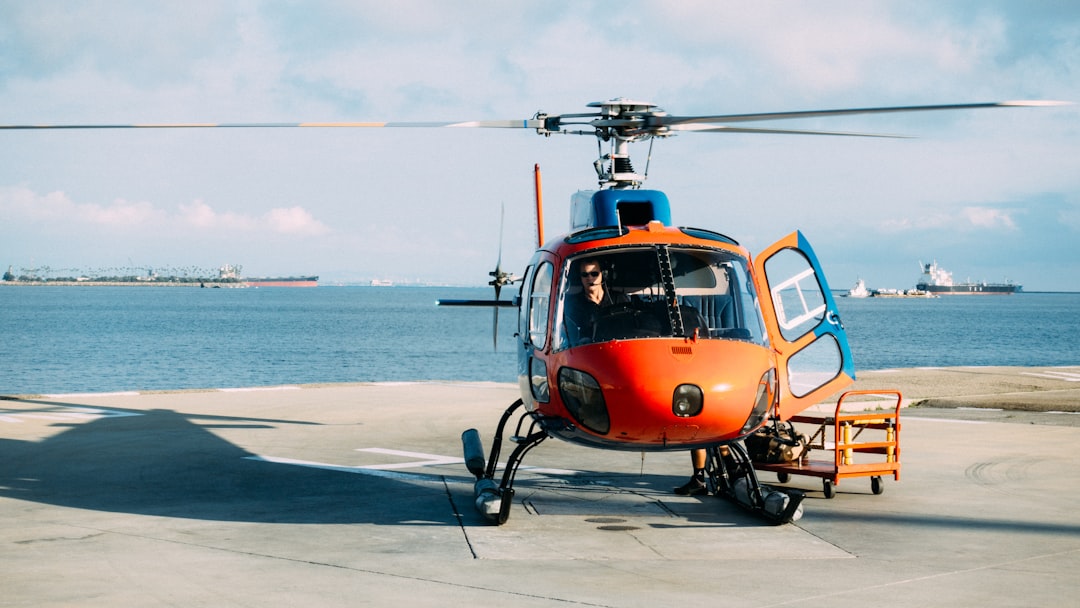
The aircraft was a Bell 407, a workhorse of civil aviation. Its rotor system, a four-blade, soft-in-plane design with a composite hub, was originally developed for the U.S. Army’s OH-58D Kiowa Warrior. That military pedigree is supposed to mean stability and maneuverability. But the 407 is also a single-engine machine. When that one engine fails, or when the weather closes in, there is no backup. No second chance.
Investigators will now tear into that design choice. They will look at the pilot’s decision to fly, the weather data, the maintenance logs. They will ask if the helicopter’s advertised performance in adverse conditions matched reality on that particular afternoon over the forest. The Bell 407’s safety record will be laid on the table, every previous incident pulled up for comparison.
The crash site is in a forest. That adds another layer. Rescue teams are working to recover wreckage. They are also managing the risk of pollution. Fuel, hydraulic fluid, debris — all of it now sits in a natural area. The environmental impact is a real concern. India’s mountain ecosystems are fragile. A crashed helicopter is not just a tragedy; it is a contamination event. The region depends on tourism, on pilgrims coming to Kedarnath. A scarred landscape does not help that.
The single-engine configuration of the Bell 407 is common. It is cheap to operate. It is light. But it flies over some of the most unforgiving terrain on earth. The Himalayas are not forgiving. Weather can change in minutes. Clouds can drop and fill a valley. A pilot in a single-engine machine has few options. Turn back, or push through. On June 15, someone pushed through, or misjudged, or simply ran out of time. Seven people, including an infant, are dead.
The community is in shock. That is the human fact. People were on a spiritual journey. They were going to Kedarnath, one of the holiest Hindu shrines. They boarded a helicopter to make the trip faster, safer, easier. Instead, they ended up in a forest, dead.
The investigation will take months. The wreckage will be analyzed. The flight data, if any exists, will be studied. The pilot’s experience will be examined. The weather report for that day will be scrutinized. The Bell 407’s design, its rotor system, its single engine — all of it will be picked apart. The Army technology that gave the helicopter its rotor may or may not have mattered. The engine’s performance may or may not be the cause. The answer, if it comes, will not bring back the seven.
For now, there is only the crash site. A forested area in Uttarakhand. A Bell 407 wrecked. Seven bodies recovered. One of them an infant. The pilgrimage ended before it began.