VIENTIANE, Laos — The Mekong River feeds 60 million people across Southeast Asia. Its fisheries are among the most productive on Earth. Those fisheries are now under threat from a hydropower expansion that shows no signs of slowing down.
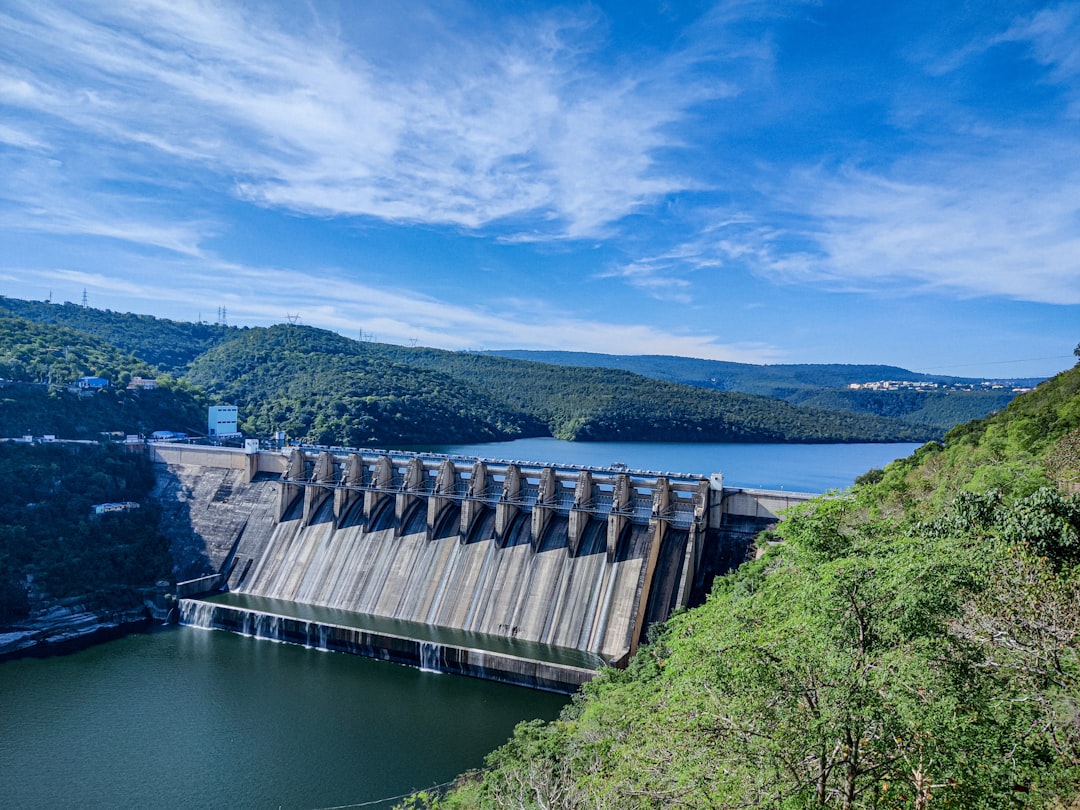
Laos has built more than 70 dams on the Mekong and its tributaries since 2010. The government wants to reach 30,000 megawatts of generating capacity by 2030. That is triple current output, which sits at roughly 10,000 megawatts. The country has branded itself the “battery of Southeast Asia,” selling power to Thailand, Vietnam, Cambodia, and Myanmar.
The cost is being measured in lost forest and disrupted rivers.
Satellite data from Global Forest Watch shows forest loss in dam construction zones jumped 40 percent between 2015 and 2023 compared to the prior decade. Access roads, transmission lines, and worker camps have cleared large areas. The scale of the buildout — over 70 dams in roughly 13 years — is what Dr. Somsak Chanthavong, a hydrologist at the National University of Laos, called “unprecedented for a country of this size.”
Most of these are run-of-river dams. They divert water through turbines without creating large reservoirs. That design reduces some upstream flooding but does little to solve the downstream problems. Fish migration routes get blocked. Water flow changes. Sediment that fertilizes floodplains gets trapped behind concrete.
The Mekong River system supports one of the world’s most productive inland fisheries. That is not a small detail. It is the primary protein source for tens of millions of people across five countries. When a dam blocks a fish migration route, that is not an abstract environmental loss. It is a direct hit on food supply.
Environmental groups and international researchers have been documenting the damage. Their reports describe widespread deforestation, river degradation, and loss of biodiversity. The cumulative impacts were not fully assessed when individual projects were approved, according to Chanthavong.
That is the core problem. Each dam gets evaluated on its own terms. No one looks at what 70 dams do together to a river system that sustains millions of people across an entire region.
The government has positioned hydropower as an economic necessity. Electricity exports bring in revenue. The dams are built. The turbines are turning. But the ecological costs are mounting with little public oversight, according to recent reports.
What is at stake is not just forest cover or fish populations. It is the food security of 60 million people who depend on the Mekong’s fisheries. It is the health of a river system that runs through six countries. It is the sediment flows that sustain delta agriculture in Vietnam. It is the seasonal flood patterns that have shaped life along the Mekong for centuries.
Laos is a small country with big ambitions. It wants to be an energy hub. It is well on its way. The question is whether the river can survive being the battery for half of mainland Southeast Asia.
The dams keep coming. The turbines keep turning. The forests keep falling. And 60 million people keep eating fish from a river that is being fundamentally altered, one dam at a time.