KUALA LUMPUR — Nearly a third of Malaysia’s mangrove forests have vanished in recent decades. That number — roughly 30%, according to the Malaysian Ministry of Environment and Water — is the reason private companies are now writing checks and lending expertise to a government restoration program that has been running for years.
The program gained fresh backing on November 8, 2024. Private firms stepped in. Petronas, the state-owned oil and gas giant, is one of them. It pledged funding and technical know-how. The company issued a statement confirming its support. The move shifts some of the burden — and the credit — away from the government alone.
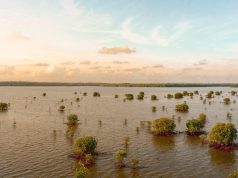
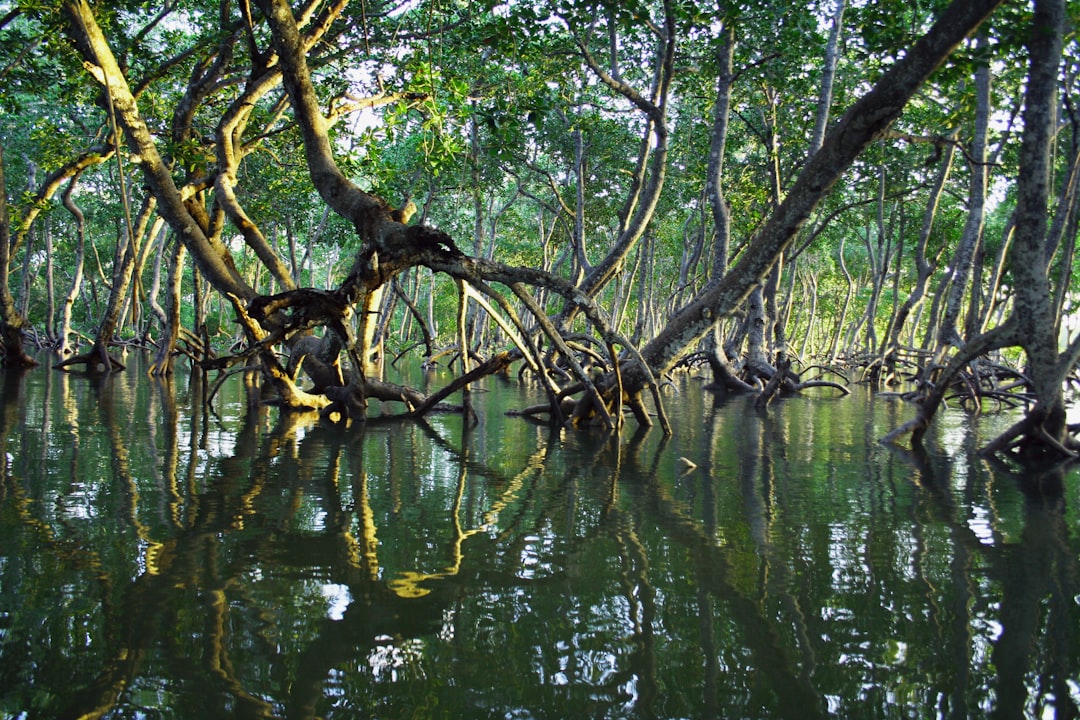
Mangroves are not just trees. They are a natural seawall. They filter water. They shelter fish, birds, and crustaceans. In a country with thousands of kilometers of coastline, those functions are not optional. They are infrastructure. But that infrastructure has been eroding. Deforestation, pollution, and climate change have taken their toll.
The restoration work is concentrated where the mangroves are thickest. That means Sabah and Sarawak, the two Malaysian states on Borneo. Those regions hold the largest remaining stands. If the program succeeds there, it will matter most there.
Dato’ Sri Tuan Ibrahim Tuan Man, the Minister of Environment and Water, framed the effort in blunt terms. “Mangrove forests are a vital part of our country’s ecosystem,” he said, “and it is our responsibility to protect and preserve them for future generations.” He did not mince words. The statement reads as both a warning and a promise.
The private backing did not come out of nowhere. Petronas has a long presence in coastal areas. Its operations touch the same shorelines the mangroves protect. That gives the company a direct interest. It also gives the company a reason to be seen doing something. Whether the pledge is a one-off or the start of a broader corporate shift remains to be seen. For now, it is money and manpower that the program did not have before.
Mangrove restoration is slow work. Seedlings must be planted. Tides must be managed. Communities must be brought in. None of it is fast. None of it is cheap. The government has been at it for years. The new private support does not change the timeline overnight. It does change the math.
The loss of 30% of Malaysia’s mangroves did not happen in a single year. It happened over decades, quietly, while attention was elsewhere. The restoration program is an attempt to reverse that drift. Whether it can keep pace with the threats — pollution, rising seas, clearance for development — is an open question. The private sector’s entry does not answer it. It just means more hands on the shovels.
For now, the program has what it lacked: corporate partners with cash and engineers. Petronas is the named example. Other companies may follow. The government has the policy. The private sector has the resources. The mangroves have the need. That is the arrangement as it stands in November 2024.