Kuala Lumpur has a new command center. It will be staffed by both Malaysians and Indonesians. That is the physical heart of a joint task force announced November 18, 2024. The agreement itself is a piece of paper. The shared room, the linked screens, the real-time wind data flowing across a border — that is the operational reality.
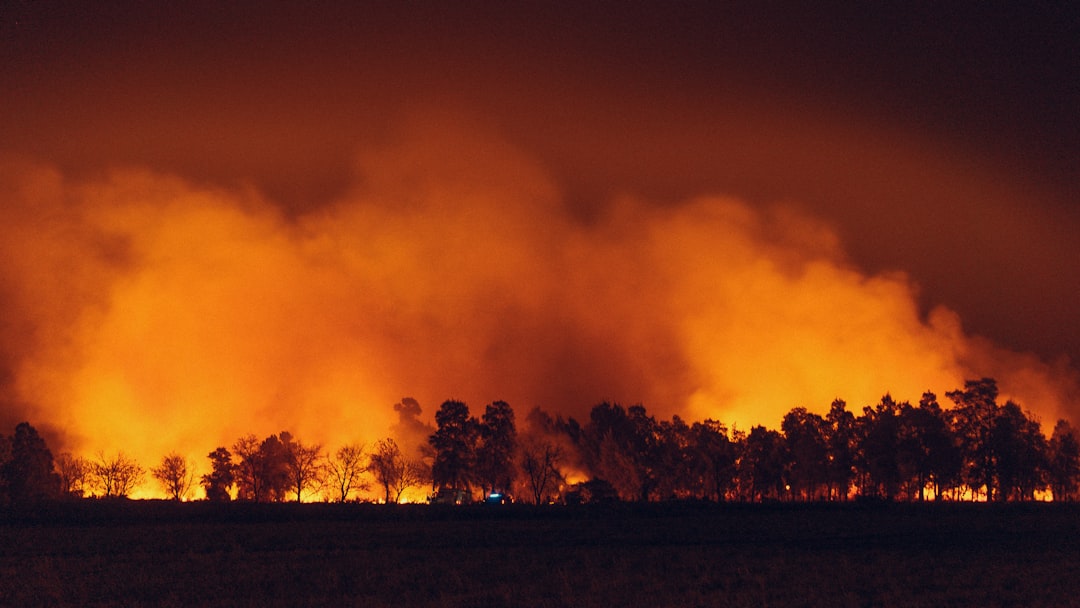
For years, the haze that chokes Southeast Asia has been met with ad-hoc responses. A fire starts in Sumatra. Malaysia complains. Indonesia sends a few crews. The smoke drifts on. This new pact attempts to break that cycle. It formalizes resource sharing between Malaysia’s Fire and Rescue Department and Indonesia’s National Disaster Management Agency. It commits both sides to joint training exercises. It aims to cut the time needed to reach burning areas by thirty percent.
That number matters. Fires used for land clearing are fast-moving. They are often set illegally. By the time ground crews arrive, the blaze has spread. The task force will deploy specialized aircraft with thermal imaging. These planes can see hotspots invisible from the ground. That intelligence goes straight to a shared command center. Decision-making shifts from a phone call between capitals to a single room where people from both countries sit together.
The economic stakes are high. Tourism in affected regions collapses when air quality indices spike. Hotels empty. Flights get canceled. The report notes these costs directly. A systematic approach, rather than a reactive one, is meant to protect those industries. But the deeper force driving this agreement is not economics alone. It is the recurring failure of ad-hoc measures. Every dry season, the same smoke. Every dry season, the same diplomatic friction. This pact is an admission that the old way did not work.
Enforcement is the hard part. Stricter penalties for illegal burning are promised. But who enforces them? The task force shares intelligence on offenders. That intelligence must then be acted upon by local authorities. Indonesia’s provinces have their own interests. Land clearing for palm oil and logging is a major economic driver. The pact does not eliminate that tension. It creates a framework to manage it.
The command center will be active during fire seasons. Personnel from both nations will undergo joint training to ensure their radios work together, their hoses fit the same couplings, their maps use the same coordinates. Interoperability is the jargon. In plain terms, it means a Malaysian firefighter and an Indonesian firefighter can work side by side without confusion. That is a concrete step forward.
But the underlying cause remains. Land clearing fires are not accidents. They are deliberate. They are cheap. They are illegal. A task force can fight the smoke. Stopping the fire from being lit in the first place requires political will that no command center can provide. The pact is a tool. It is a better tool than what existed before. It is not a solution.
The agreement was signed in Kuala Lumpur. The command center will be shared. The aircraft with thermal imaging will cross borders. These are real changes. They will save time. They may save lives. Whether they save the region from another season of choking air depends on whether the intelligence leads to arrests, whether the penalties actually deter, and whether the thirty percent reduction in response time is enough to stop a fire before it becomes a disaster.