The math of gold is simple. A ton of ore dug from the earth in Tanzania might yield a few grams of the metal. The price of those grams, at current market rates, is enough to justify the risk. Six men and women from Mwakitolyo Village are now the cost of that calculation.
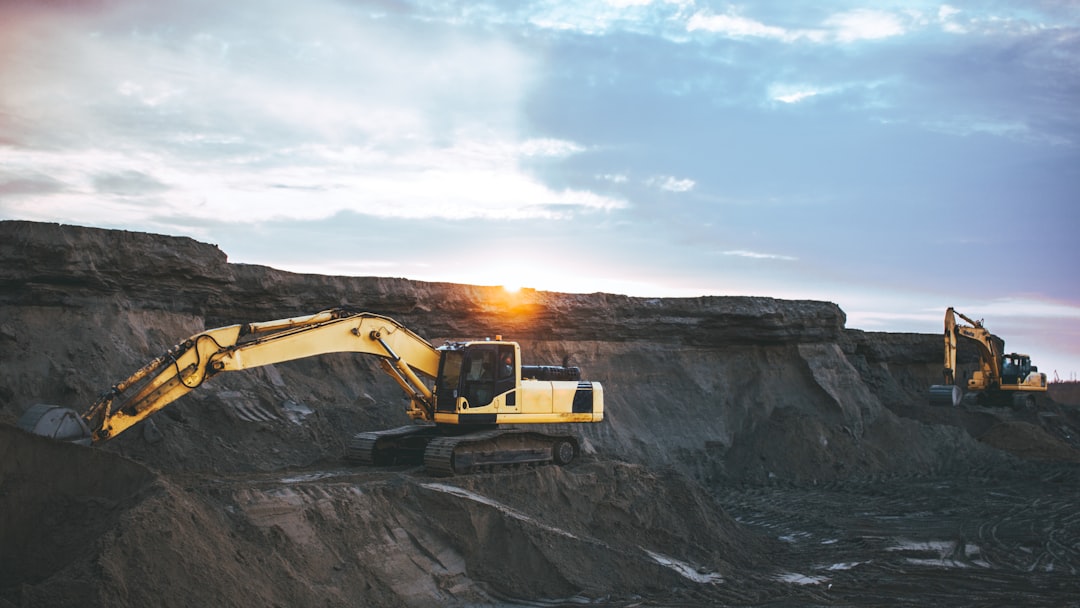
This was a hard-rock gold mine. Not a coal pit, not a shaft choked with methane. Hard rock is supposed to be safer. The rock itself is stable. The air is usually breathable. The dangers are different—falling ground, misfired explosives, machinery failures, suffocation from a collapse. The report does not say what exactly went wrong in Shinyanga Urban District. It does not need to. The outcome is the same: six dead, eleven injured, a village hollowed out.
Mwakitolyo is a small place. The loss of six adults there is not a statistic. It is a generational wound. The injured eleven will likely carry permanent damage—broken backs, crushed limbs, lungs scarred by dust. Mining communities in developing countries rarely have robust healthcare or compensation schemes. The economic hit will compound the grief. The mine, whatever its ownership structure, provided cash wages in a region where subsistence farming is the alternative. Now the village has fewer workers, more dependents, and a sudden, sharp fear of the hole in the ground that was supposed to feed them.
This accident is not an anomaly. Thousands of miners die every year in such incidents. The report is blunt: the majority happen in developing countries. Safety enforcement is weak. Inspectors are few. Corruption can be a factor. Companies, whether local or multinational, face pressure to cut costs. Safety equipment is expensive. Training takes time. Production targets do not pause for either.
Gold mining has a long history of killing people. The ancient Egyptians sent slaves into the Nubian desert, and many never came back. The California Gold Rush of 1849 was a meat grinder of disease, violence, and cave-ins. South Africa’s Witwatersrand basin holds the remains of tens of thousands of black miners who died in deep-level gold mines. The industry has improved since then. But the improvement is uneven. In Tanzania, the regulatory framework exists on paper. On the ground, in a village like Mwakitolyo, paper does not hold up rock.
The investigation that follows will face predictable obstacles. Witnesses may be reluctant to speak. Records may be missing. The cause of the accident may be blamed on worker error, a convenient narrative that shifts responsibility away from management and safety systems. Even if the investigation is thorough, meaningful change is not guaranteed. The global demand for gold does not waver. Jewelry, electronics, central bank reserves—the appetite is constant. That demand drives a supply chain that begins in the dark, underground, with people using their hands and backs.
Mwakitolyo will bury its dead. The mine will likely reopen. The world will continue to buy gold. The forces that produced this accident—poverty, demand, weak regulation—are structural. They do not change because of one tragedy. They change slowly, if at all. The six dead are a data point in a long, grim ledger. The only honest response is to acknowledge that the ledger will get longer.