ROME — The Cali Fund went live on February 25, 2025, inside a conference room at the resumed session of the 16th Conference of the Parties to the Convention on Biological Diversity. It is a financial mechanism, and its purpose is narrow and precise: to take money from private companies that use digital sequence information on genetic resources and channel that money back to the countries and communities those genes came from.
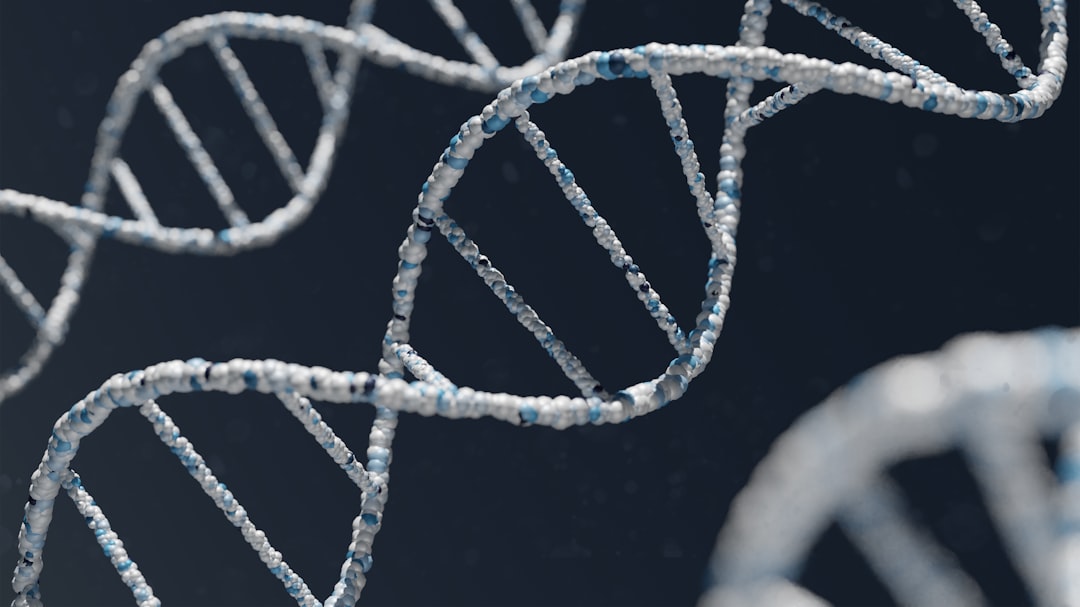
Digital sequence information is the raw genetic code of organisms. It is not a physical leaf or a vial of blood. It is data. A pharmaceutical firm in Switzerland can download the genome of a medicinal plant from the Amazon, run computer models, and develop a drug without ever touching the soil of Brazil. Under existing law, the people who stewarded that plant for generations see nothing. The Cali Fund is designed to change that.
The fund sits inside the architecture of the Convention on Biological Diversity, the international treaty that governs how the world’s genetic resources are used. The treaty has long insisted on fair and equitable benefit-sharing. But enforcement has been weak. Companies could argue they were not using the physical resource, only information about it. The Cali Fund closes that loophole by taxing the information itself.
This is not a voluntary scheme. The fund will mobilize resources from private sector entities that use digital sequence information. The report on the fund’s launch did not specify the percentage or the dollar amount companies will pay. That detail matters. If the fee is too low, the fund will be symbolic. If it is set high enough to matter, it will change the economics of bioprospecting.
The location of the launch was deliberate. Rome is the seat of the Food and Agriculture Organization, a UN body that has watched for decades as genetic resources from the developing world are patented and sold back at high prices. Holding the launch during the 16th Conference of the Parties sent a signal: this is not a side event. It is a core function of the biodiversity treaty.
Biodiversity-rich countries have been pushing for a mechanism like this since the treaty was signed in 1992. The delay was not technical. It was political. Wealthy nations with large biotech industries resisted any obligation to pay for data. The Cali Fund represents a breakthrough in that deadlock. It acknowledges that data is not neutral. It has origins. It has value. And that value should be shared.
Indigenous peoples and local communities are named explicitly in the fund’s design as intended beneficiaries. That is unusual. Most international funds filter money through governments. The Cali Fund appears to bypass that layer, at least in principle. Whether the money actually reaches the village level will depend on governance structures that have not yet been built.
The fund is a tool for conservation, but only indirectly. Money can pay for park rangers, for seed banks, for mapping biodiversity. It cannot stop deforestation by itself. The fund’s real power is symbolic: it says that nature’s code is not free for the taking. That principle, once established, can be applied to other forms of biological data, to synthetic biology, to the entire frontier of bio-digital convergence.
The world is losing species at a rate not seen since the dinosaurs vanished. The Cali Fund will not reverse that alone. But it is one of the few financial instruments designed to reward the people who actually keep ecosystems alive. That is a shift in logic. Whether it becomes a shift in reality depends on the details still being negotiated.