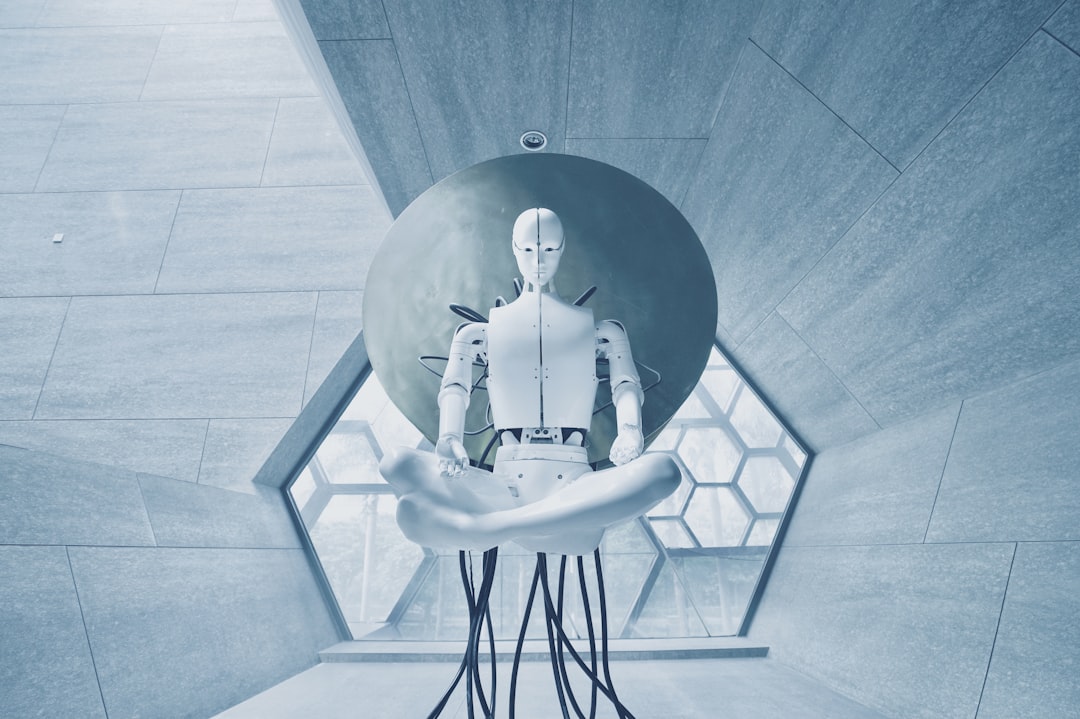
Brett Adcock founded Figure in 2022. Three years later, the company’s robots are inside the White House. That is not a coincidence. On February 20, Figure unveiled Helix, an AI model that lets humanoid robots understand plain English commands. No coding. No remote control. You tell the robot to pick up a cup, and the robot picks up the cup.
This changes who buys these machines. Figure’s first three robot generations — Figure 01, 02, and 03 — already work with the company’s vision-language-action system. Helix is the second iteration of that system, and it controls two robots at once. The practical effect is this: a factory floor manager no longer needs a robotics engineer on staff. A warehouse supervisor can speak to the robots the same way she speaks to her crew.
The labor market is the obvious place where this lands. Figure has not announced a price for its machines. But the company’s current estimated value sits at $39 billion. That valuation assumes a world where humanoid robots become common enough to justify that kind of money. Helix is the mechanism that gets them there. If a robot takes a verbal command, it replaces a job that previously required a human to interpret instructions and act on them. That is a direct substitution.
Household work is the other target. The report mentions that Figure’s robots could improve quality of life by doing chores. Helix makes that plausible. A robot that needs a software engineer to program each task is a lab curiosity. A robot that takes orders from anyone in the room is a consumer product. Figure has not shipped a home robot yet. But Helix is the software bridge that makes a home robot imaginable.
The White House appearance matters. A Figure 03 robot showed up at an official event. That is a signal to investors, regulators, and competitors. The company has the kind of access that startups usually lack. It also means the government is watching. Federal agencies will have opinions about safety standards, liability, and job displacement. Figure is already in the room where those conversations happen.
Helix has two versions: Helix 01 and Helix 02. The report does not detail the differences between them. But the existence of two iterations in a short time suggests rapid development cycles. That speed is typical of AI companies. It also means the technology is changing faster than regulation can keep up. A robot that takes natural-language commands today might take conversational instructions tomorrow. The gap between capability and oversight is widening.
Figure has moved through three robot generations in about three years. Helix now sits on top of that hardware. The combination is what makes the company valuable. Hardware without good software is a statue. Software without good hardware is a simulation. Figure appears to have both working at a level that attracted White House attention and a $39 billion valuation.
The next thing to watch is deployment. The report does not say who has bought Figure’s robots or where they are operating. That information will matter more than the next model number. A robot that works in a real factory, taking real commands from real workers, is a different thing from a robot that works in a demo video. Helix makes the demo video more convincing. But the real test is the factory floor.