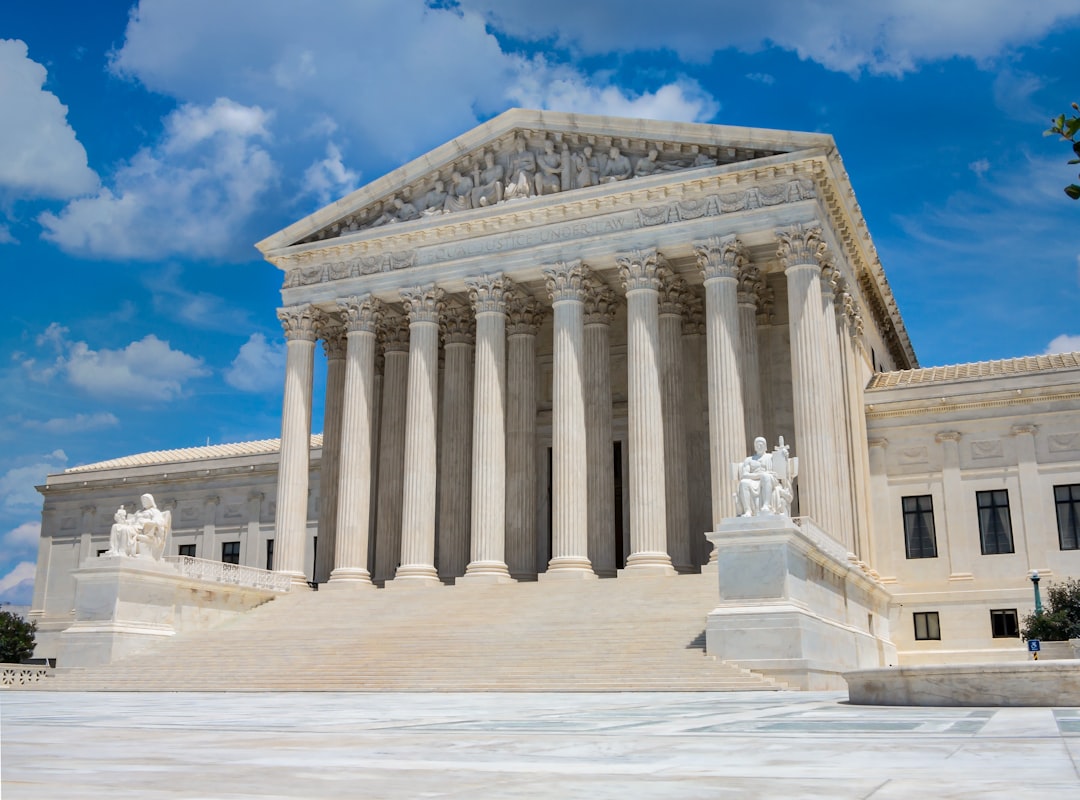
The clock is running out on TikTok. The Supreme Court will hear arguments in a case that could effectively ban the app in the United States by January 19, 2025. That is the deadline set by the Protecting Americans from Foreign Adversary Controlled Applications Act, or PAFACA. If ByteDance, TikTok’s Chinese parent company, does not divest by then, the platform faces prohibition. The fallout touches tens of millions of American users and the entire ecosystem built around short-form video.
The law itself is blunt. Congress passed PAFACA in April 2024, citing national security threats from foreign-owned social media companies. It gives the President power to decide which companies are dangerous. ByteDance and TikTok are named directly as “foreign adversary controlled.” The government says the risk is real. China could compel the company to hand over user data or manipulate content. TikTok and ByteDance say the law violates the First Amendment’s freedom of speech clause and the Fifth Amendment. They also invoke the Bill of Attainder Clause, arguing Congress singled them out for punishment without a trial.
The case is consolidated with Firebaugh v. Garland, a separate lawsuit filed by TikTok content creators who make the same constitutional arguments. These creators are not lawyers or lobbyists. They are people who built careers, small businesses, and communities on the platform. A ban would wipe out their income and audience overnight. No replacement exists at the same scale. Instagram Reels and YouTube Shorts are not the same thing. The creators argue the government is shutting down their speech without due process.
ByteDance has not offered to sell. The company sued the federal government instead. The case is now at the Supreme Court. The justices will decide whether national security concerns justify what critics call a targeted shutdown of a single company. The law does not ban all foreign-owned apps. It names ByteDance. That is the core of the bill-of-attainder argument: a legislative body cannot pass a law that punishes a specific person or group without a judicial hearing.
The timing is tight. The Supreme Court typically issues opinions in late June. The divestment deadline is January 19. That means the Court would have to rule on an expedited schedule. If the justices uphold the law, TikTok goes dark in less than two months. If they strike it down, Congress could rewrite the law to cover more companies. Or it could leave it alone and face renewed pressure from national security hawks.
The debate is not new. The U.S. government has spent years investigating TikTok. The Trump administration tried to force a sale in 2020. That effort failed in court. The Biden administration continued the pressure. PAFACA is the most aggressive move yet. It does not just threaten a sale. It demands one. And it sets a hard deadline.
What happens next depends on nine people in black robes. The decision will ripple through Silicon Valley, Washington, and the living rooms of 170 million American TikTok users. National security wonks will watch for how the Court defines “foreign adversary control.” Free speech advocates will watch for how far the First Amendment protects a platform owned by a foreign company. The creators will watch for their livelihoods.
The case is TikTok, Inc. v. Garland. The arguments will be public. The ruling will be final. By late January, TikTok will either be sold, shut down, or saved. There is no middle ground in the law as written.