Two Weeks of Fire, One Persistent Lie
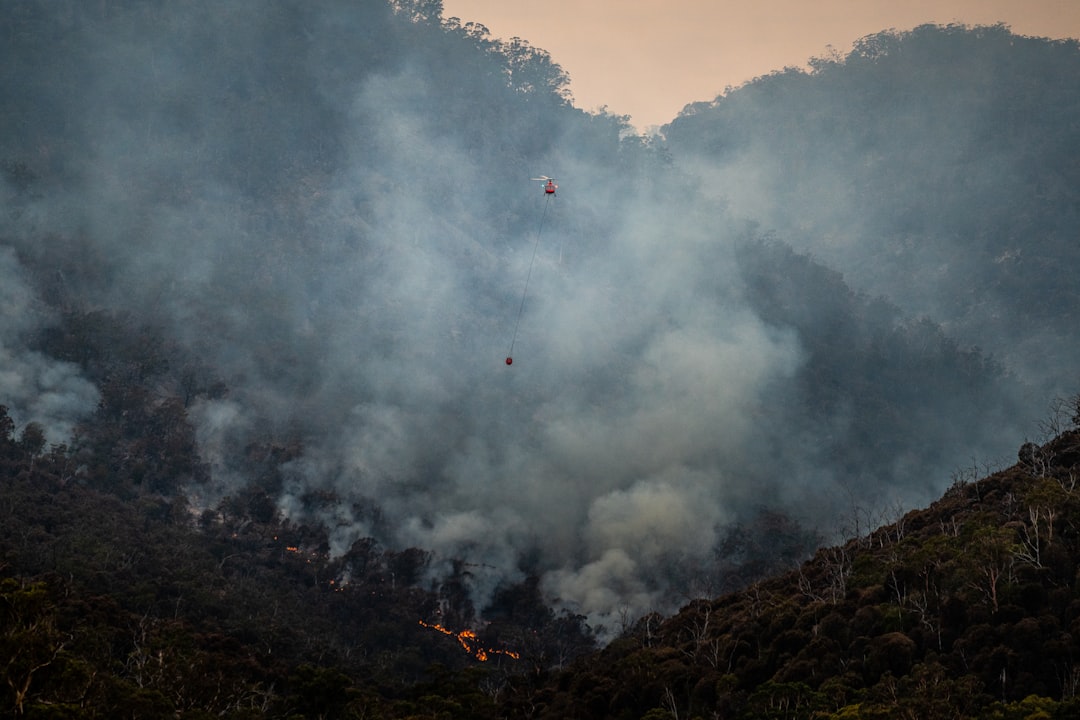
The January wildfires that tore through Los Angeles left neighborhoods in ash. But a different kind of burn was spreading online. By January 15, as residents sifted through debris, social media feeds were flooded with claims that directed-energy weapons — lasers from the sky — had started or steered the flames. The theory was not new. It had surfaced after fires in California, Hawaii, and Texas before. But this time, the speed was different.
Fact-checkers moved fast. Local and federal agencies issued coordinated public rebuttals. Official inquiries had already identified the real ignition sources: damaged or re-energized power lines, dry vegetation, and extreme winds. Nothing about lasers. None of it mattered. The conspiracy theories kept spreading.
Why do these lies hold? They offer something simple. A single enemy. A hidden hand. Real fires are messy — a downed line here, a gust there, a spark in dry brush. That chaos is hard to process. A directed-energy weapon is clean. It has a perpetrator. It gives someone to blame. That emotional payoff is powerful, and it does not require evidence.
The images used as proof were unrelated or fabricated. People shared them anyway. Fringe commentators amplified the claims. Social media algorithms did the rest. The platforms that host this content face growing calls for accountability and transparency. But so far, the response has been slow. The same networks that spread the fire conspiracy in Hawaii in 2023 were ready to do it again in Los Angeles in 2025.
Authorities now face a stubborn reality. They can put out the fires. They can release clear findings. They can coordinate rebuttals across agencies. None of it guarantees the lie will die. The January 15 surge showed that debunking a conspiracy theory is not like extinguishing a flame. It is more like trying to unring a bell. Once the claim is out, it lives on in screenshots, reposts, and private message groups. Fact-checks get shared less than the original falsehood.
The pattern is clear. A disaster happens. Conspiracy theories appear. Authorities deny them. The theories persist. Each cycle builds on the last. The Hawaii fires gave the lie a template. The Texas fires tested it. Los Angeles proved it can scale. The same false claim, slightly adapted, now travels faster than official information. That is not an accident. It is the product of years of erosion in trust — trust in government, in science, in journalism. Each debunking that fails to convince only deepens the suspicion.
What comes next is harder. The usual tools — press conferences, fact-check articles, social media posts — are not working. They reach people who already trust the system. They rarely reach the people sharing the laser videos. The gap between what is true and what feels true is widening. And every new fire will test it again.
The Los Angeles fires will be investigated. The causes will be documented. The conspiracy theories will survive that documentation. They always do. That is the real story here — not the lasers, but the resilience of a lie that no amount of truth can kill.