Hurricane Helene didn’t sneak up on anyone. By the time its remnants reached the Appalachian Mountains, it had already torn through Florida’s Big Bend as a hurricane and crossed Georgia as a Category 2 storm. The system was weakening as it moved inland. But the rain it carried was historic.
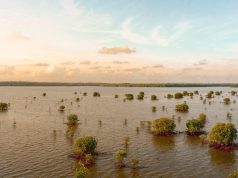
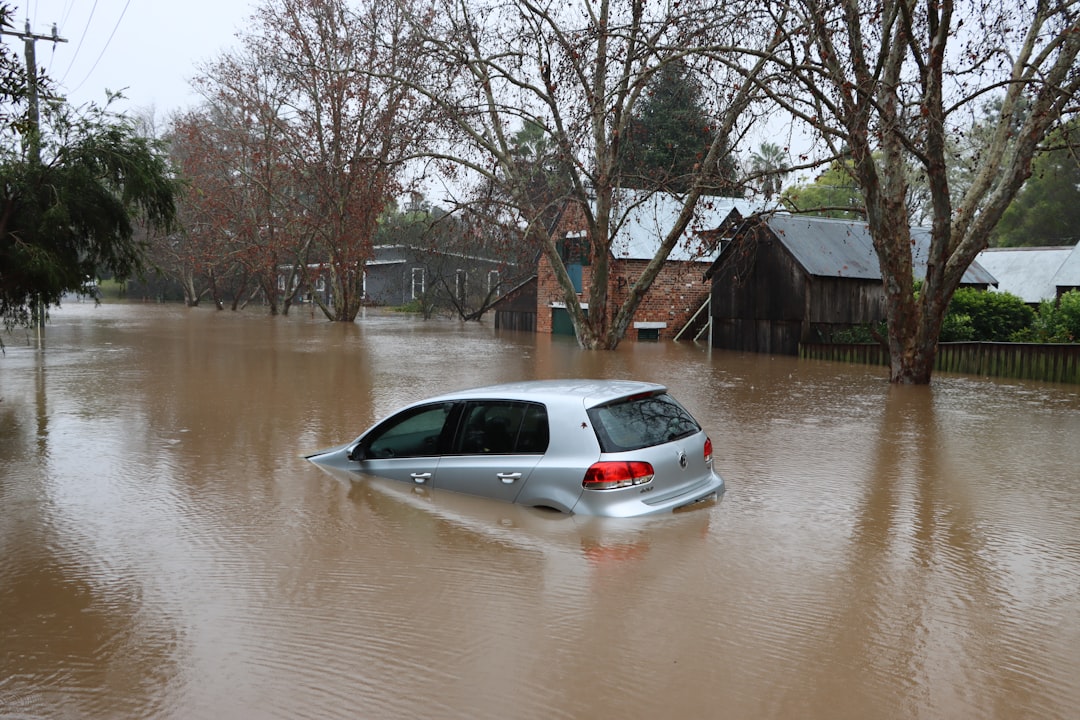
That rain fell on western North Carolina on September 27, 2024. It fell on Asheville. On Swannanoa. On Black Mountain, Montreat, Spruce Pine, Fairview, Chimney Rock, and Lake Lure. The ground couldn’t absorb it. Rivers rose. They spilled over. Entire settlements went underwater.
The death toll stands at 108. That number is not final. Search crews continue working through debris. The numbers will climb.
This is not a coastal disaster story. The Big Bend took the initial blow, but the worst destruction happened hundreds of miles inland, in the mountains. That is unusual. Hurricanes typically weaken over land. They lose their punch. Helene did not. It carried a deep, tropical moisture plume straight into the Appalachian range, and the mountains squeezed it out. The result was catastrophic flooding in places that do not flood like this.
Mudslides followed the rain. They buried roads. They carried houses off their foundations. In the steep terrain of western North Carolina, a mudslide does not just block a street. It removes the street entirely. Emergency crews could not reach some towns for days. Power lines were down. Cell towers were down. People were cut off from the outside world.
The infrastructure damage is severe. Roads washed out. Bridges collapsed. Water systems failed. The towns that survived the initial flooding then faced a prolonged crisis. No power. No communications. No way to get supplies in or people out. Basic necessities became scarce.
The geography of the region made this worse. Western North Carolina is not flat. It is a maze of narrow valleys and steep ridges. There is often only one road into a town. If that road goes, the town is isolated. That is what happened. Multiple communities were trapped, not by the storm itself, but by the landscape the storm reshaped.
This matters now because the recovery will be slow. Rebuilding roads in the mountains takes months. Rebuilding them after a disaster takes longer. The region’s economy depends on tourism and small manufacturing. Both are disrupted. The people who lived in the destroyed houses need places to go. The people whose businesses were flooded need income. The clock is running.
The storm made landfall in Florida on September 27. It moved fast. By the time it hit North Carolina, it was no longer a hurricane by wind speed. But the damage it left behind is hurricane-grade. The rain broke records. The rivers broke their banks. The mountains broke apart in slides.
One hundred and eight dead. Towns cut off. Roads gone. That is the reality on the ground. The storm has passed. The aftermath has not.