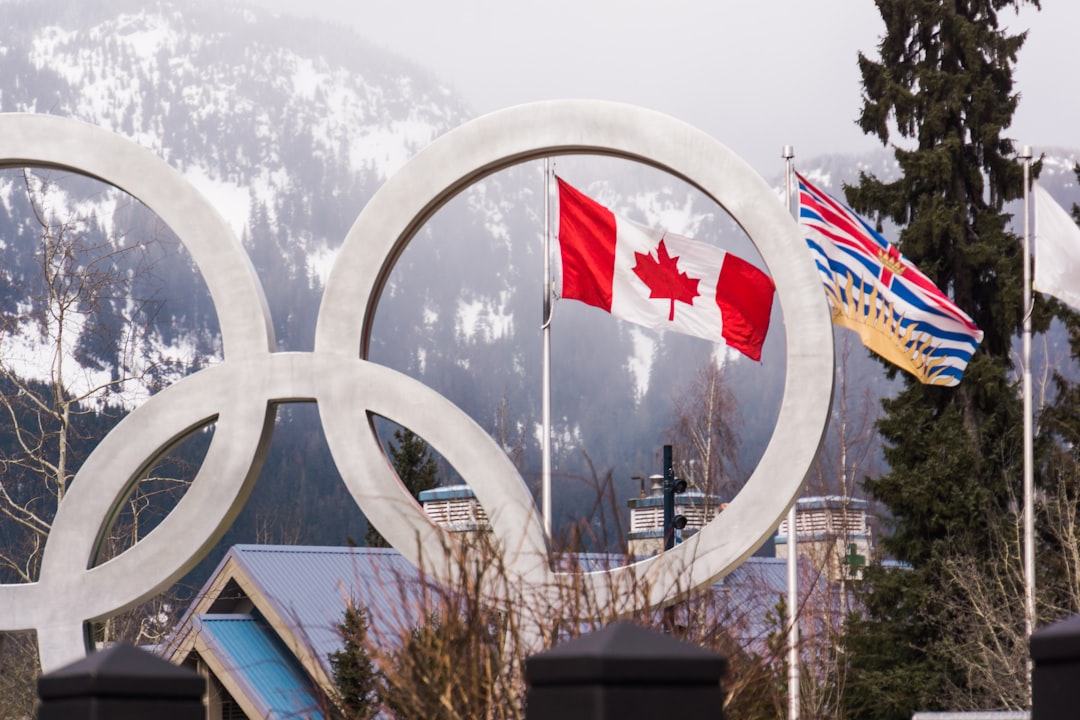
The handover of the Olympic flag from Paris to Los Angeles was the single most important moment of Sunday’s closing ceremony at the Stade de France. It was not just a symbolic gesture. It represented a shift in Olympic gravity. The 2024 Games, declared a success by IOC President Thomas Bach and COJOP2024 President Tony Estanguet in their closing remarks, are now a finished chapter. The focus of the Olympic movement is now fixed on the United States.
The ceremony’s structure made this pivot clear. The cultural presentations were split in two. France, the outgoing host, offered its own segment. Then the United States took over. The Los Angeles 2028 presentation, partially recorded in Long Beach, California, was the headline act. It was a direct message to the world: the next Games will look different. They will be American. The filmed segments from Long Beach provided a concrete, specific preview. It was not abstract. It showed a city and a state preparing for a massive global event.
This is where the real analysis lies. The Paris Games were defined by their setting — historic venues, a city integrated into the competition. The closing ceremony’s mix of filmed and live segments reflected the logistical reality of a modern Olympics. But the handover to Los Angeles signals a return to a different model. Los Angeles 2028 will likely be more spread out, more reliant on existing infrastructure like the Coliseum and the SoFi Stadium. The Long Beach preview hinted at a coastal, sprawling Games. The contrast with the compact, urban Paris model is stark.
Thomas Bach and Tony Estanguet spoke of the smooth execution of the 2024 Olympics. That is the baseline. The Games happened. They ended. Now the IOC faces a new set of pressures. The Los Angeles organizing committee has a reputation for pragmatism. But the political and economic landscape in the United States is volatile. The handover was smooth. The execution of the next Games will be the real test.
The closing ceremony itself followed a rigid protocol. There were no surprises. The cultural presentations were polished. The flag transfer was official. The speeches were delivered. The audience in Saint-Denis and the global television audience saw a well-produced transition. The buzz generated by the Los Angeles presentation is the key takeaway. Anticipation is now the currency of the Olympic movement. Paris delivered. Los Angeles must now deliver on the promise shown in that recorded segment from Long Beach.
The 2028 Summer Olympics are four years away. The closing ceremony in Paris served as the starting gun. The IOC, the Los Angeles organizers, and the athletes now have a clear target. The handover is complete. The work begins.