A devastating scene is unfolding in Alberta, Canada, as two wildfires burning in Jasper National Park have reached the Jasper townsite, prompting the evacuation of over 25,000 residents from their homes since Monday. The fires, which have been raging in the park, have now encroached upon the town, causing several structure fires and forcing a mass exodus of people from the area. As the situation continues to deteriorate, concerns are growing about the long-term impact of these wildfires on the environment and the local community.
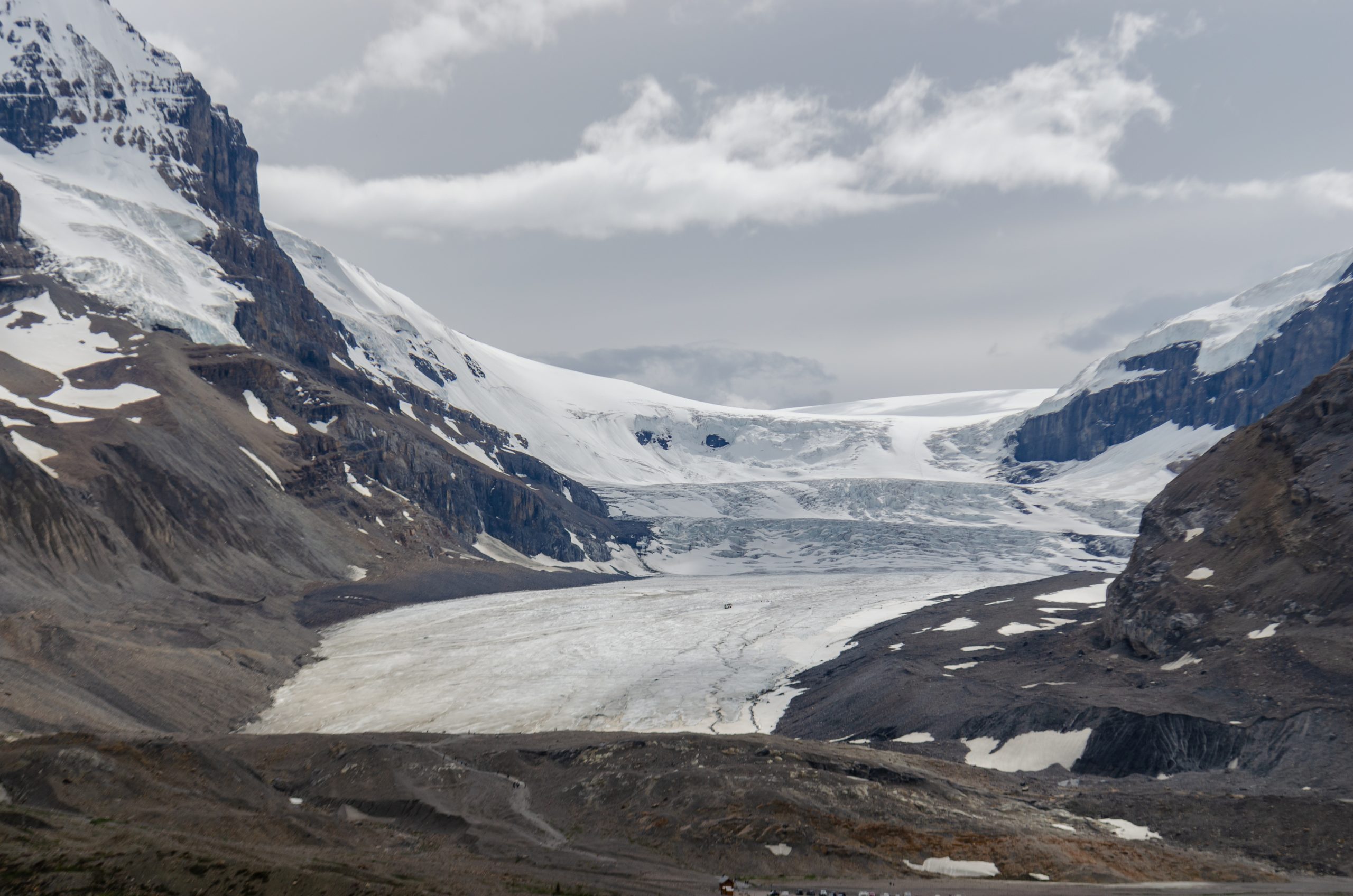
Jasper National Park, which spans an impressive 11,000 km2, is a unique and fragile ecosystem that is home to glaciers, springs, lakes, waterfalls, and mountains. Established as Jasper Forest Park in 1907 and later renamed as a national park in 1930, this stunning natural wonder was declared a UNESCO world heritage site in 1984. Located north of Banff National Park and west of Edmonton, Jasper National Park is a beloved destination for outdoor enthusiasts and nature lovers alike. The park’s diverse landscape and rich biodiversity make it an irreplaceable treasure that must be protected and preserved for future generations.
The current wildfires pose a significant threat to the park’s delicate ecosystem, and the consequences of inaction could be catastrophic. As the fires continue to burn, they are not only destroying the natural habitat of countless species but also releasing toxic pollutants into the air and water. The impact of these wildfires will be felt for years to come, and it is essential that we take immediate action to mitigate the damage and prevent such disasters from occurring in the future. By investing in renewable energy sources and promoting sustainable land use practices, we can reduce our reliance on fossil fuels and create a cleaner, healthier environment for all.
As the people of Jasper townsite flee their homes, they are left to wonder about the future of their community and the natural beauty that surrounds it. The economic and social impacts of this disaster will be significant, and it will take time, effort, and resources to rebuild and recover. However, even in the face of such devastation, there is a sense of hope and resilience that defines the human spirit. As we look to the future, we must prioritize the protection of our planet and its natural resources, not just for the benefit of our environment, but for the well-being and prosperity of our communities.
The response to this disaster has been swift, with emergency services and firefighters working tirelessly to contain the fires and protect the town. However, as we move forward, it is essential that we adopt a proactive approach to preventing such disasters from occurring in the first place. This can be achieved through a combination of sustainable land use practices, investment in renewable energy, and education and awareness about the importance of environmental protection. By working together, we can create a cleaner, more sustainable future for all, and ensure that the natural beauty of Jasper National Park is preserved for generations to come.
As the people of Jasper townsite look to the future, they are faced with a long and difficult road to recovery. However, even in the midst of such devastation, there is a sense of determination and hope. The protection of our planet and its natural resources is a collective responsibility, and it requires a commitment to sustainability and environmental stewardship. As we move forward, we must prioritize the health of our planet, not just for the sake of the environment, but for the well-being and prosperity of our communities. The future of Jasper National Park and the town that bears its name depends on our ability to work together to create a cleaner, more sustainable world.