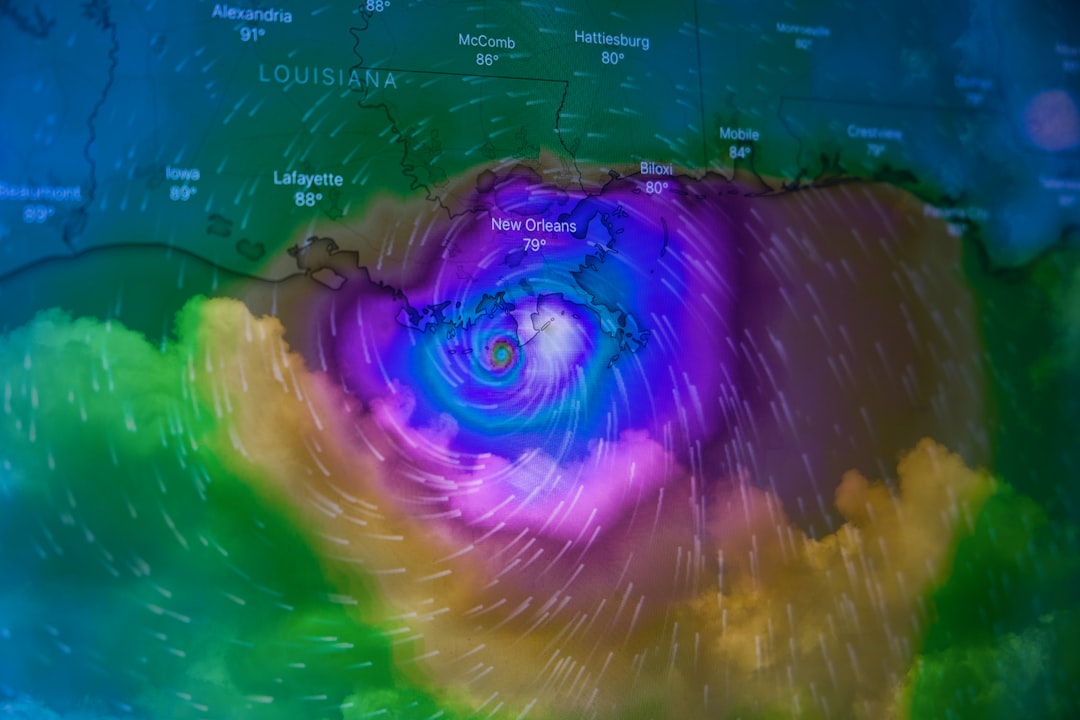
Tropical Storm Arlene churned into existence on June 2, the first named storm of the 2023 Atlantic hurricane season. The season itself had only begun a day earlier, on June 1. That timing matters. It is not a record. It is not a catastrophe. But it is a signal, and for people living along the coastlines, signals are cheap insurance.
Arlene formed in the Atlantic. Where exactly it will go, and what it will do, remains the job of the National Hurricane Center and other meteorological agencies. They will track it. They will issue forecasts. Those forecasts will shape decisions at the individual, community, and governmental levels. That is the machinery of modern storm response, and it is well-oiled.
What an early storm means
One named storm in early June does not dictate the shape of the entire season. The report is clear on that. But a storm this early does something else: it forces a review. Emergency plans get dusted off. Supplies get checked. People who have been through this before know the rhythm. They know that the Atlantic hurricane season runs through November 30, and that a storm in June is a reminder, not a prophecy.
The forces behind Arlene’s formation are complex. The report notes that some scientists point to natural climate variability as a factor. There is no mention of a single cause, no easy villain. Weather patterns are not simple. They are the product of ocean temperatures, wind shear, atmospheric pressure, and a dozen other variables that meteorologists spend their careers trying to understand. Arlene is a product of those forces, nothing more and nothing less.
Broader consequences
Hurricanes do not just flood streets and tear off roofs. The economic and social impacts ripple outward. A storm that makes landfall hits local economies hard. But the damage can spread to regional and national economies too. Supply chains stall. Insurance claims pile up. Reconstruction drains resources.
The report also raises a specific point about energy security. Storms like Arlene can disrupt traditional energy supplies. Pipelines shut down. Refineries go offline. Power lines snap. In that context, the value of diversified and resilient energy systems becomes plain. Investments in renewable energy are not abstract environmental gestures. They are practical hedges against the kind of disruption a hurricane can cause. When one system fails, another must be ready to carry the load.
Preparedness is the only play
For communities in hurricane-prone areas, Arlene is a prompt. The report calls it that. It is a nudge to review emergency plans, to stock supplies, to know the evacuation routes. These are not dramatic actions. They are boring, repetitive, and necessary. They are the difference between chaos and order when a storm actually hits.
The National Hurricane Center will keep issuing updates. Those updates will be critical. They will inform decisions at every level, from a family in a coastal town to a state emergency management office. The information flow is the backbone of hurricane response. Without it, people are guessing. With it, they can act.
Arlene is the first. It will not be the last. The 2023 season is young. The waters are warm. The patterns are set. What happens next depends on a thousand small factors that no one can control. What people can control is their own readiness. That is the lesson of every early-season storm. It is not a lesson about the weather. It is a lesson about human behavior. And it is one worth learning again.