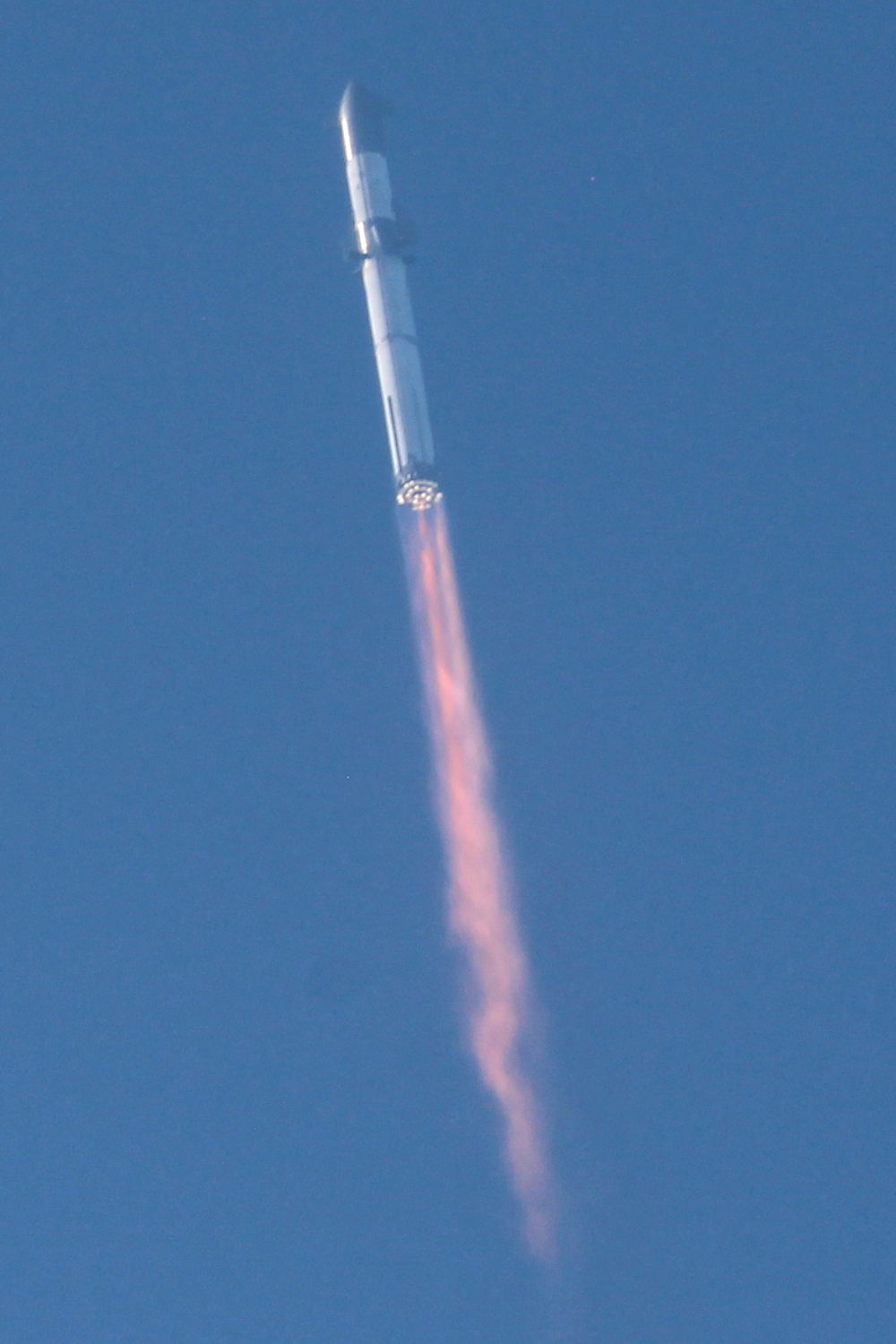
On April 20, 2023, SpaceX made history with the maiden flight of its integrated Starship launch vehicle, breaking a half-century-old record held by the Soviet Union’s N1 rocket to become the most powerful rocket ever flown. The prototype vehicle, which lifted off from the SpaceX Starbase in Boca Chica, Texas, was destroyed less than four minutes into the flight, but this was always a possibility given the nature of the test. The launch was a significant milestone in the development of the Starship program, which is following an iterative and incremental approach involving frequent and often destructive test flights of prototype vehicles.
The Starship flight test 1 was the first “integrated flight test,” meaning it was the first time that the Super Heavy booster and the Starship spacecraft flew together as a fully integrated Starship launch vehicle. This was a major breakthrough, and it paves the way for future tests and eventual operational flights. Before the launch, SpaceX officials had said they would measure the mission’s success “by how much we can learn” and that various planned mission events “are not required for a successful test”. This approach is a key part of the Starship development program, which is focused on pushing the boundaries of what is possible with space technology.
According to NASA administrator Bill Nelson, the flight was a significant achievement, and he was among several public officials who congratulated SpaceX on its success. The European Space Agency Director General also offered congratulations, highlighting the importance of international cooperation and innovation in the field of space exploration. The fact that the vehicle became the most powerful rocket ever flown is a testament to the ingenuity and expertise of the SpaceX team, and it marks a major step forward in the development of the Starship program.
The launch was a complex and challenging operation, requiring precise coordination and execution. The fact that it was successful, despite the destruction of the prototype vehicle, is a tribute to the skill and dedication of the SpaceX team. As the program continues to evolve and develop, we can expect to see more tests and more breakthroughs, each one pushing the boundaries of what is possible with space technology. With its iterative and incremental approach, the Starship development program is well-placed to drive innovation and advancement in the field of space exploration.
As we look to the future, it’s clear that the Starship program has the potential to revolutionize the field of space exploration. With its focus on reusability and sustainability, the program is poised to make a major impact on the way we access and utilize space. The fact that the vehicle became the most powerful rocket ever flown is just the beginning, and we can expect to see more exciting developments in the months and years to come. As Bill Nelson and other public officials have recognized, the success of the Starship program is a major achievement, and it marks a significant step forward in the pursuit of space exploration and development.
So what’s next for the Starship program? As the team at SpaceX continues to analyze the data from the flight test and refine their approach, we can expect to see more tests and more breakthroughs in the near future. With its focus on innovation and advancement, the program is well-placed to drive progress and achievement in the field of space exploration. As we look to the future, it’s exciting to think about what might be possible with the Starship program, and we’ll be watching with interest to see how the program develops and evolves in the months and years to come.