Xi Warns Taiwan’s Kuomintang: No Tolerance for Independence in First Meeting in a Decade
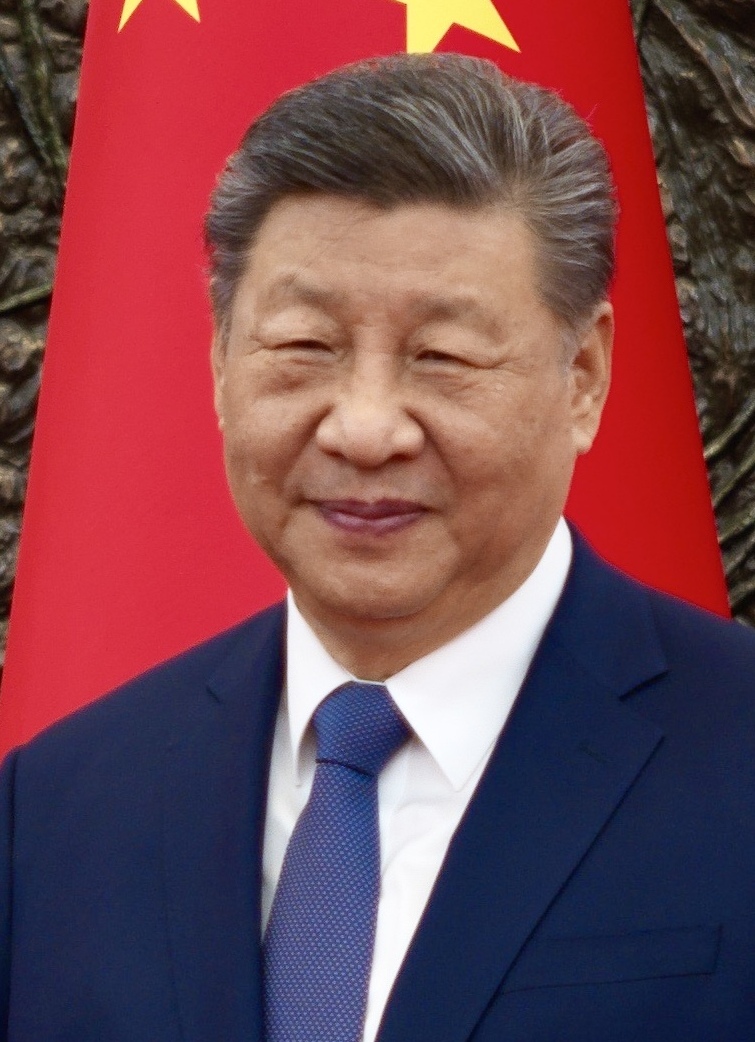
BEIJING – Chinese paramount leader Xi Jinping told Kuomintang chairwoman Cheng Li-wun on April 9 that China will “absolutely not tolerate” independence for Taiwan, marking his first meeting with a Taiwanese opposition leader in ten years, according to a state media report.
The meeting, which took place in Beijing, underscores the Chinese Communist Party’s unyielding stance on Taiwan as the island’s main opposition party seeks to navigate its relationship with the mainland. Xi, who serves as CCP general secretary and chairman of the Central Military Commission, holds the informal but powerful title of paramount leader—a position that controls both the party and the People’s Liberation Army.
Cheng, who leads the Kuomintang (KMT), met with Xi at the Great Hall of the People. The KMT, which ruled Taiwan until 2000 and again from 2008 to 2016, has historically maintained closer ties with Beijing than the ruling Democratic Progressive Party (DPP). The DPP, which holds the presidency and a legislative majority, advocates for formal independence—a stance Beijing has repeatedly threatened to address with force.
“Xi Jinping stressed that Taiwan is an inalienable part of China and that the Chinese government will absolutely not tolerate any form of ‘Taiwan independence’ separatist activities,” read a statement from China’s official Xinhua news agency. The report did not provide a direct quote from Cheng.
The meeting is Xi’s first with a KMT chairperson since 2015, when he met then-chairman Eric Chu in Beijing. That encounter came during a period of relative warmth under KMT President Ma Ying-jeou, whose administration pursued closer economic and cultural ties with the mainland. Since the DPP’s Tsai Ing-wen took office in 2016, cross-strait relations have deteriorated sharply, with Beijing ramping up military exercises and diplomatic pressure.
Cheng’s visit comes as Taiwan’s presidential election approaches in January 2028, with the KMT hoping to unseat the DPP. The KMT platform supports maintaining the status quo—opposing formal independence while also rejecting unification under Beijing’s terms. Analysts say Xi’s blunt warning was aimed at both Taiwanese voters and the KMT itself, signaling that any deviation from Beijing’s “one China” framework would be met with consequences.
“The message is clear: Beijing sees no daylight between the KMT and DPP on the core issue of sovereignty,” said a senior U.S. State Department official, speaking on condition of anonymity to discuss sensitive diplomatic assessments. “They are telling Taipei that no opposition party will be allowed to hedge on unification.”
The United States maintains unofficial relations with Taiwan under the Taiwan Relations Act, providing the island with defensive weapons and political support. Washington has repeatedly called for peaceful resolution of cross-strait differences and has warned Beijing against unilateral changes to the status quo.
Japan, a key U.S. ally in the region, has also voiced concern over China’s increasing military activity around Taiwan. In a joint statement following a March 2026 summit, Prime Minister Shigeru Ishiba and President Donald Trump affirmed that peace and stability in the Taiwan Strait are “essential to global security.”
The Philippines, another U.S. treaty ally, has deepened its security cooperation with Washington amid Chinese assertiveness in the South China Sea. Philippine President Ferdinand Marcos Jr. has called for adherence to international law, including the 2016 arbitral ruling that invalidated China’s expansive maritime claims.
European Union foreign policy chief Kaja Kallas said in Brussels on April 9 that the EU “remains committed to its one-China policy but opposes any unilateral use of force or coercion” in the Taiwan Strait. The United Kingdom and Israel have similarly urged restraint, though neither maintains formal diplomatic ties with Taipei.
Xi’s warning also comes as China conducts large-scale military drills near Taiwan, including live-fire exercises and simulated blockade operations. Taiwan’s defense ministry reported on April 8 that 18 Chinese aircraft and 6 naval vessels had entered the island’s air defense identification zone in the previous 24 hours.
In Taipei, the Mainland Affairs Council condemned Xi’s remarks as “unacceptable interference in Taiwan’s internal affairs.” Spokesperson Liang Wen-chieh said the council “will continue to uphold the Republic of China’s sovereignty and democratic order, and will not be intimidated by Beijing’s threats.”
The Kuomintang, for its part, sought to downplay the significance of Xi’s statement. In a press release issued after the meeting, the party said Cheng had reiterated the KMT’s “consistent position of opposing Taiwan independence and supporting the 1992 Consensus,” a vague agreement under which both sides acknowledge “one China” but differ on its definition.
“Chairwoman Cheng expressed hope that cross-strait exchanges can resume on the basis of mutual respect and peaceful development,” the statement read. It did not mention Xi’s warning.
China’s paramount leader is not a formal office but rather an informal designation for the most powerful figure in the party-state system. Xi assumed the role in November 2012 when he became CCP general secretary, rather than in March 2013 when he succeeded Hu Jintao as president. Under China’s system, party positions—particularly general secretary and chairman of the Central Military Commission—carry greater political weight than state titles such as president or premier.
The meeting with Cheng is likely to be scrutinized in Washington, Tokyo, and other allied capitals as a bellwether for Beijing’s strategy ahead of Taiwan’s 2028 election. U.S. officials have warned that China may attempt to influence the outcome through economic coercion or military intimidation.
“We are watching this very closely,” the State Department official said. “Any attempt to undermine Taiwan’s democratic processes will be met with a strong response from the United States and our partners.”