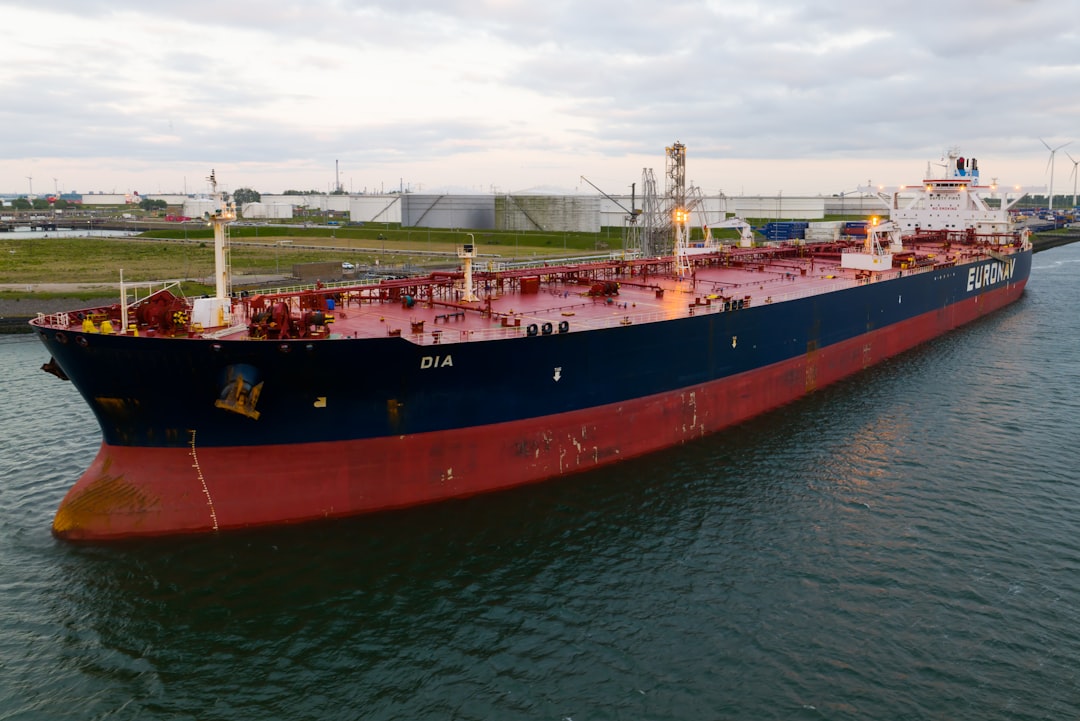
The United States Indo-Pacific Command boarded a stateless tanker in the Indian Ocean on April 23, 2026. The vessel, identified as the M/T “Majestic,” was carrying oil the U.S. alleges is Iranian and subject to sanctions. The operation was not a raid. It was a boarding. The command has been watching the tanker for some time, working with international partners.
The M/T “Majestic” flew no flag. That detail matters. A stateless vessel on the open ocean has no nation to speak for it. No legal protections. No maritime registry to call. The U.S. Navy and Coast Guard treat such ships as fair game for inspection. This one was carrying oil. The U.S. says the oil is Iranian. Tehran sells oil despite sanctions. The Biden administration has been trying to choke off that revenue stream for years.
USINDOPACOM covers a lot of water. Over 100 million square miles. Fifty-two percent of the Earth’s surface. From the West Coast of the United States to the east coast maritime borderline waters of India. From the Arctic to the Antarctic. That is a big patch of ocean. The command was renamed in 2018 to reflect the growing importance of the Indo-Pacific. Admiral John C. Aquilino runs it. He said the operation shows the command’s commitment to upholding international sanctions and preventing illicit activities.
The partners involved include the United Kingdom, the European Union, and Israel. Those are not small players. The U.S. works with them to keep the region stable. The boarding of the M/T “Majestic” is one piece of that effort. The tanker was not carrying a cargo that belongs on the open market. According to the command, it was carrying sanctioned oil. That means the oil was sold in violation of U.S. law. The buyers were likely in Asia. The routes are well known. The U.S. has been intercepting such shipments for years.
President Biden’s administration has emphasized maintaining a strong presence in the Indo-Pacific. That means ships. It means aircraft. It means boarding teams. It means putting pressure on anyone moving Iranian oil. The M/T “Majestic” is now part of that record.
The operation happened on April 23. The command did not say where exactly in the Indian Ocean. It did not say what happened to the crew. It did not say where the tanker was taken. Those details may come later. Or they may not. The U.S. often does not release operational specifics in real time. The goal is to disrupt the trade, not to publicize every step.
The Indo-Pacific region includes key U.S. allies: Taiwan, Japan, and the Philippines. China watches every move the U.S. makes there. Iran has no formal military presence in the region. But its oil moves through it. The U.S. is trying to stop that. The boarding of the M/T “Majestic” is a direct action. Not a diplomatic note. Not a threat. A boarding.
The command’s area of responsibility is enormous. It is the oldest and largest of the unified combatant commands. It was once called USPACOM. The name change to USINDOPACOM in 2018 was deliberate. The Indo-Pacific is now the focus. The boarding of a stateless tanker carrying Iranian oil fits that focus.
Sanctions enforcement is not glamorous work. It involves long hours of surveillance. Coordination with partner navies. Legal reviews. Boardings in rough seas. The M/T “Majestic” was one such operation. The command said it was monitored for some time. That suggests intelligence work preceded the boarding. The U.S. knew where the tanker was. It knew what it was carrying. It moved when the moment was right.
The oil is alleged to be Iranian. That word matters. The U.S. is making a claim. It will have to back it up. But in the context of sanctions enforcement, the allegation is enough to justify the boarding. The tanker was stateless. There is no one to protest.