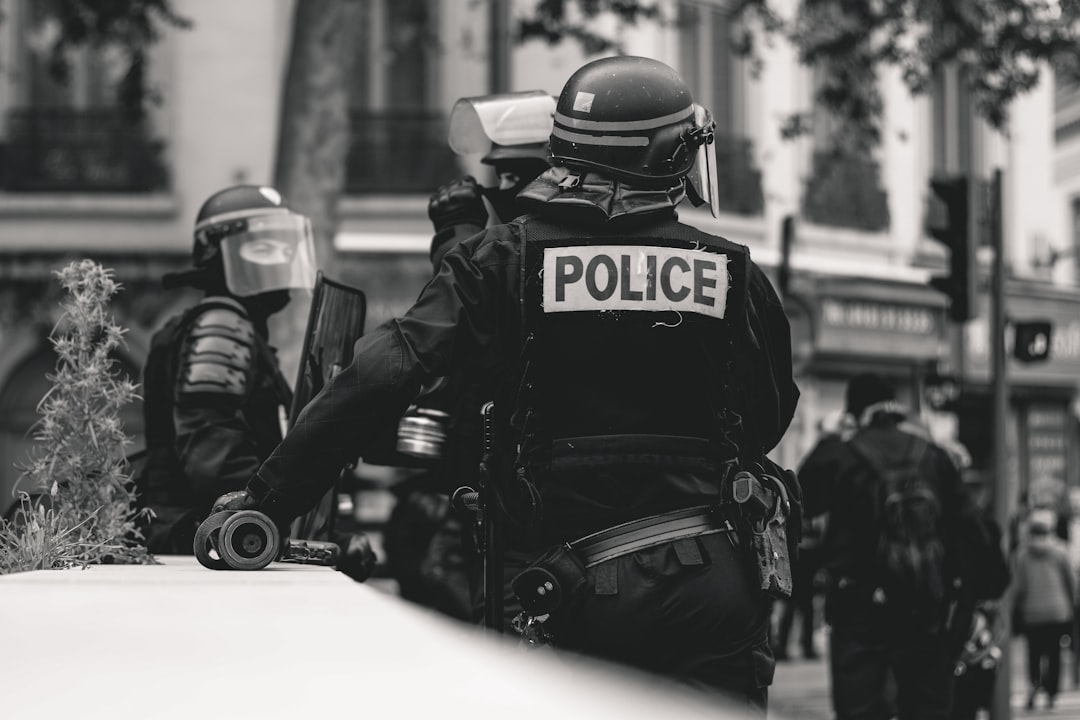
The math is simple. Two Capitol Police officers want the rioters they fought on January 6, 2021, to get nothing from a $1.8 billion settlement fund. Their lawsuit, filed in a U.S. district court, cuts straight to a question nobody in Washington has cleanly answered: who is a victim, and who is a perpetrator?
The fund was set up to aid people harmed by the riot. The two officers, whose names are not in the court filing, say the rioters should not qualify. They argue the fund was not designed to compensate the very people who caused the violence. Both officers suffered physical and emotional injuries while defending the Capitol building. They watched the mob breach doors, smash windows, and hunt for lawmakers. Now they watch lawyers argue whether those same rioters can file claims for money.
The lawsuit does not name the officers. That is deliberate. The men and women who stood in the doorways on January 6 have been threatened, harassed, and doxxed since that day. Anonymity protects them from more of it. But the legal argument they make is public, and it is blunt: rioters cannot be both the cause of the harm and the recipient of the remedy.
This is not a small procedural fight. The January 6 riot generated thousands of criminal cases, hundreds of convictions, and a political firestorm that still burns. The settlement fund is one of the few mechanisms designed to put money into the hands of people who lost income, suffered trauma, or incurred medical bills because of the attack. If the rioters are allowed to draw from that fund, the pool shrinks for everyone else. The officers are trying to stop that from happening.
The United States Capitol Police is a federal law enforcement agency with nationwide jurisdiction. It answers to the Capitol Police Board, not to the Justice Department or the White House. It is the only police force appointed by the legislative branch. That structural isolation matters here. The USCP has primary jurisdiction inside the Capitol Complex, but concurrent jurisdiction with other agencies outside it. On January 6, that jurisdictional overlap became a disaster. The FBI and the Department of Homeland Security are still investigating the riot. The USCP is still working with them. The settlement fund is a separate track, a civil solution to a criminal event, and it is producing a conflict the criminal courts never resolved.
The officers’ lawsuit forces a choice. Either the fund is for all people affected by the riot, including those who participated in it, or it is not. There is no middle ground. The officers have chosen their side. They want the court to read the fund’s purpose narrowly, to exclude anyone who joined the attack.
There is no telling how the court will rule. The legal question is novel. There is no precedent for a riot where the attackers and the attacked are both claiming from the same compensation fund. The officers’ injuries are documented. Their emotional scars are real. But the fund’s language may be broad enough to include the rioters. That is what the lawsuit will test.
What happens next depends on the judge. A ruling for the officers would bar rioters from the fund entirely. A ruling against them would open the door to claims from people who stormed the building. Either way, the decision will set a precedent for how the country handles the financial aftermath of political violence. The officers are not asking for more money. They are asking for the rioters to get none.