The Vilnius Summit produced a coalition. Eleven nations signed on to train Ukrainian pilots and ground crews on the F-16. The Ukrainian defense minister, Oleksii Reznikov, called the group “Ocean’s 11.” He was referencing the film about a heist crew. It was a joke. But the comparison stuck.
That name tells you something about the coalition. The movie’s team was a collection of specialists brought together for one job. This coalition is the same. Denmark and the Netherlands are the lead nations. Belgium, Canada, Luxembourg, Norway, Poland, Portugal, Romania, Sweden, and the United Kingdom are the rest. Each brings something. Training space. Funding. Instructors. The jets themselves. It is not a unified command structure. It is a loose partnership with a single target: get the Ukrainian Air Force flying F-16s.
The centerpiece of the operation is the European F-16 Training Centre in Romania. The Netherlands, Romania, and Lockheed Martin set it up. That is the factory floor. Pilots will learn the cockpit. Technicians will learn the maintenance bays. Support personnel will learn the logistics. The whole pipeline runs through that one facility.
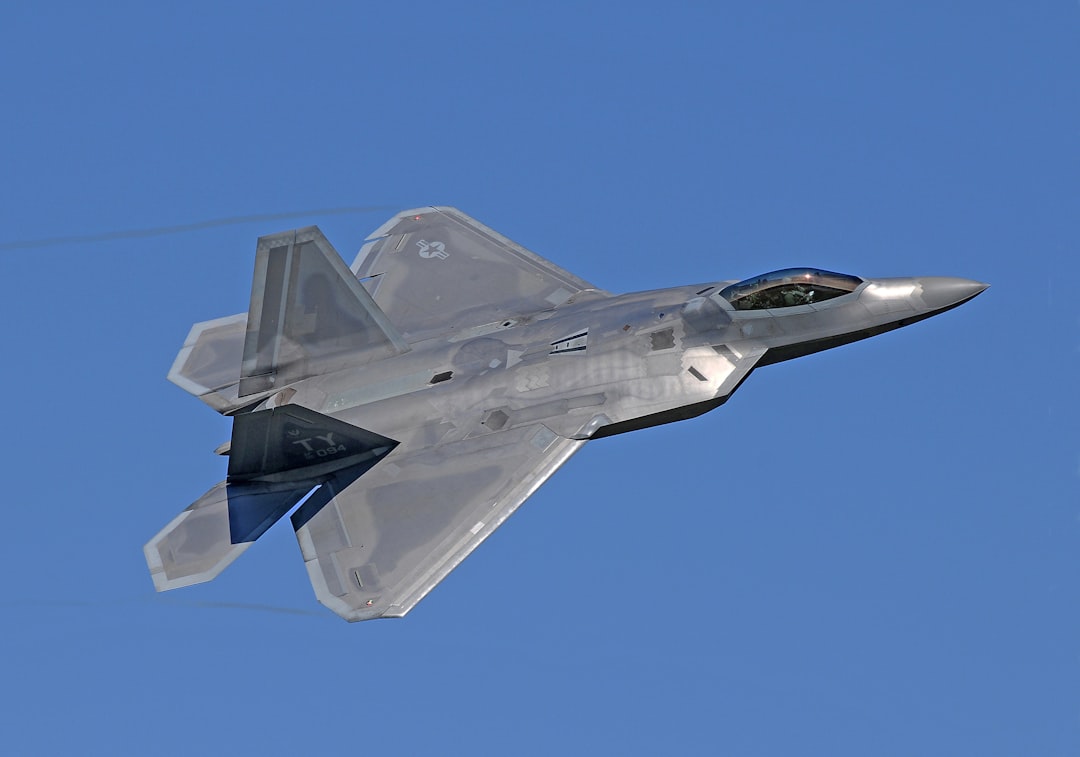
This matters because the F-16 is not a simple weapon. It is a fourth-generation fighter with a complex radar, electronic warfare suite, and weapons integration system. You do not hand a pilot the manual and send him up. The training cycle for a competent F-16 pilot typically runs months, even for experienced aviators transitioning from other jets. Ukrainian pilots fly Soviet-era MiGs and Sukhois. The cockpit layout, the flight dynamics, the tactics — everything is different. The coalition is betting it can compress that timeline without cutting corners. That is the hard part.
Reznikov’s “Ocean’s 11” label also signals something else. It is an admission that no single country can do this alone. The United States has the largest F-16 fleet, but it is not the lead on this. European nations are carrying the load. Denmark and the Netherlands are donating aircraft. Romania is hosting the training center. Lockheed Martin, the manufacturer, is providing technical expertise. It is a distributed effort. Each partner handles one piece of the puzzle.
The coalition’s format is loose. That is both a strength and a risk. A loose format allows countries to contribute what they can without committing to a formal treaty or a long-term alliance. It lowers the barrier to entry. But it also means coordination is voluntary. If one nation pulls back, there is no binding agreement to hold it in place. The whole structure depends on sustained political will.
For now, the will is there. The coalition formed in July 2023. The training center is operational. The first cohort of Ukrainian personnel is likely moving through the pipeline. The goal is to build a sustainable capability — not just a few pilots, but a full ecosystem of operators and maintainers who can keep the jets flying in combat conditions. That takes time. The coalition is buying that time with training slots, spare parts, and simulators.
Reznikov’s film reference was a throwaway line. But it captured the reality of the situation. This is not a grand alliance. It is a crew assembled for a specific job. The job is to get Ukrainian F-16s in the air. The crew is eleven nations and one defense contractor. The deadline is open-ended. The stakes are straightforward.