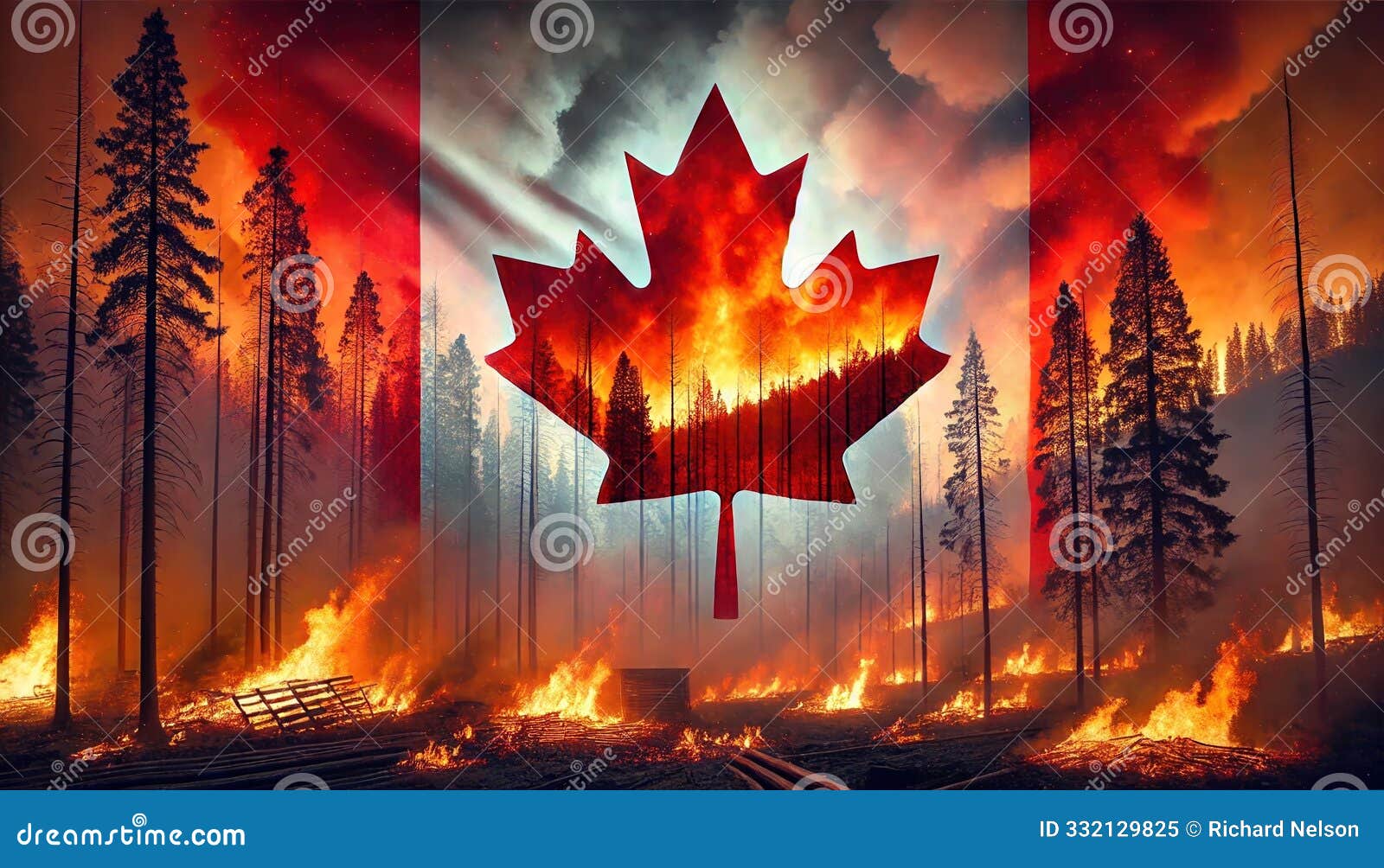
The 2025 Canadian wildfire season began in mid-May 2025, with over 160 wildfires reported across the country, primarily in the provinces of Manitoba, Ontario, and Saskatchewan. This marked the start of a severe wildfire season, which would go on to affect multiple regions and provinces throughout the summer. The initial outbreak of wildfires resulted in the loss of two civilian lives in the town of Lac du Bonnet, located northeast of Winnipeg.
The provinces of Manitoba and Saskatchewan were among the hardest hit, with both declaring states of emergency in late May. Manitoba declared its state of emergency on May 28, while Saskatchewan followed suit on May 29. These declarations were made in response to the rapid spread of wildfires, which posed a significant threat to communities and the environment. The fires in these provinces were particularly severe, with over half of the total area burned in 2025 located in Manitoba and Saskatchewan.
As the summer progressed, wildfires continued to form and spread in other provinces, including British Columbia, Alberta, Quebec, Newfoundland and Labrador, the Yukon, and the Northwest Territories. In July, Manitoba declared a second state of emergency as a second wave of fires hit the region. This highlighted the ongoing nature of the wildfire threat and the need for continued vigilance and response efforts. The fires in these provinces were not only a concern for local communities but also had a broader impact on the environment and ecosystem.
In early August, Atlantic Canada faced heat waves and extreme fire conditions, leading to the outbreak of fires in Nova Scotia, New Brunswick, and the island of Newfoundland. This marked a shift in the geographic focus of the wildfire season, as the threat posed by the fires expanded to new regions. The fires in these provinces were a concern for local authorities, who worked to respond to the outbreaks and mitigate the impact on communities and the environment.
In late August and early September, fires in the Northwest Territories and the interior of British Columbia forced evacuations, highlighting the ongoing severity of the wildfire season. The fact that fires were still breaking out and spreading at this late stage in the season underscored the prolonged nature of the threat posed by the wildfires. The impact of the fires was not only felt in the immediate areas affected but also had broader implications for the environment, wildlife, and local ecosystems.
The 2025 Canadian wildfire season was part of a series of severe wildfire seasons in the country, highlighting the need for ongoing vigilance and response efforts. While wildfires are a natural part of the boreal forest life cycle, climate change driven by fossil fuels is a contributing factor to the increasing severity and frequency of these events. As the season draws to a close, it is essential to look forward to the future and consider the steps that can be taken to mitigate the impact of wildfires and address the underlying factors contributing to their severity. In the coming months and years, it will be crucial to monitor the situation and watch for any developments that may indicate a shift in the pattern of wildfire activity in Canada.