Twenty-five people are dead in Peru’s Cajamarca region after a bus plunged into a ravine. Another thirteen were injured. The accident happened on a road in one of the country’s most geographically punishing areas.
Cajamarca sits high in the Andes. The city itself, the regional capital, is at 2,700 meters above sea level.
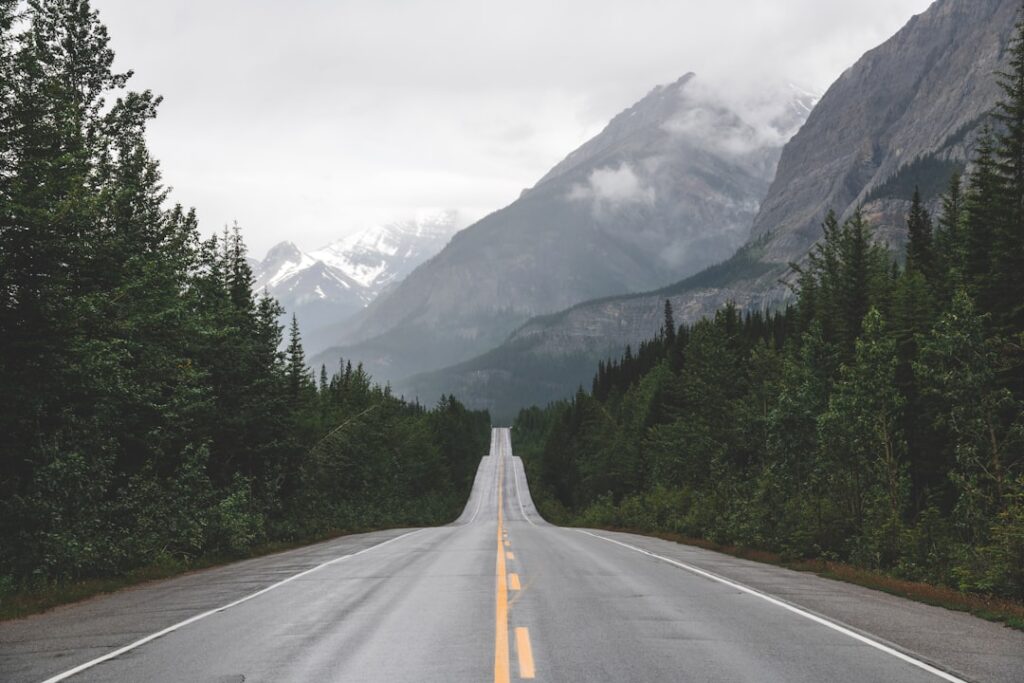
That makes it one of the highest cities on the planet. The roads that connect these mountain communities are narrow. They are often unpaved.
They cling to steep slopes. When a vehicle goes off one of those roads, the drop is usually long and the outcome is usually fatal.
This is not an isolated event. It is a recurring cost of doing business in a country split by the Andes Mountain Range. Peru’s geography forces its transport system to work against gravity, weather, and erosion.
Rural routes like the one in Cajamarca are especially dangerous. The terrain itself is the problem. But so is the lack of investment in making those roads safe.
Guardrails are absent on many stretches. Road surfaces crumble.
Buses are often old and poorly maintained. The risk is concrete. Every day, people in Cajamarca board buses to get to work, to visit family, to sell goods.
They do it because there is no other way. The region’s economy depends on agriculture, mining, and tourism.
All three require people and products to move. All three require roads. When a bus goes into a ravine, those networks break.
Families lose breadwinners. Communities lose members. The local economy takes a hit that compounds the human tragedy.
Cajamarca is not just a landscape of danger. It is a place of real cultural depth.
Quechua and Aymara are spoken here alongside Spanish. The region holds pre-Columbian history and colonial architecture. Tourists come for the natural beauty, from the Amazon rainforest to the high-altitude plateaus.
But tourists also ride those same buses. They face the same risks.
The accident makes plain what is at stake. Without serious effort to improve road infrastructure, more buses will fall. More families will grieve.
The region’s development will stall because people will be afraid to travel. That is not speculation. It is the pattern.
Peru has to enforce traffic laws more strictly. It has to require better vehicle maintenance.
It has to build roads that do not kill people. These are not abstract policy goals. They are the difference between life and death on routes like the one outside Cajamarca.
The dead in this crash are not numbers. They are people who got on a bus and did not arrive.
The injured are survivors who will carry the memory of that fall. The rest of Cajamarca is left to ask whether the next bus will make it. That question should not be so hard to answer.
But until the roads are fixed, it will keep being asked. And the answer will keep coming back in body counts.