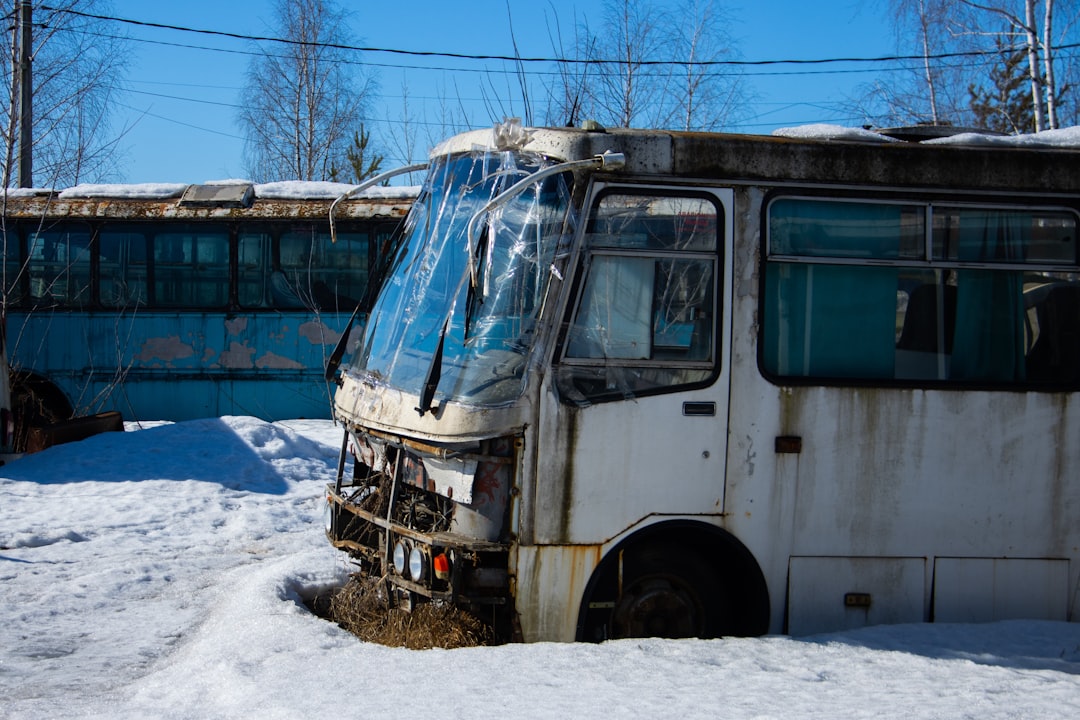
The bus did not explode. It did not catch fire. It simply crashed and overturned on a road in Yazd province, and 28 Shia pilgrims from Pakistan died. Twenty-three more were hurt. The date was August 21, 2024. They were headed to the Arba’in pilgrimage in Iraq, to commemorate the martyrdom of Imam Hussein, grandson of the Prophet Muhammad. That is the fact. The meaning of it is something else.
This was not a random accident. It happened on a specific route, at a specific time, to a specific group. The pilgrims were Shia. The destination was Karbala. The bus was carrying devotees to one of the largest religious gatherings on earth. The Arba’in pilgrimage draws millions of Shia Muslims from across the world. That number is growing. So is the strain on the infrastructure that moves them.
Yazd province is a cultural and religious hub in Iran, known for its architecture and history. But its roads can be treacherous for large vehicles like buses. That is a polite way of saying the roads are dangerous. Investigators are now trying to determine the cause of the crash. They will likely point to driver error, mechanical failure, or road conditions. The real cause is older and more stubborn than any single factor. It is the gap between the scale of the pilgrimage and the systems that support it.
The Iranian government has pledged to support the families of the victims. It has promised medical assistance to the injured. That is the standard response. But the incident has raised questions about the safety of religious pilgrimages and the measures in place to protect devotees. Those questions are not new. They surface after every major accident on a pilgrimage route. They rarely lead to lasting change.
Shia Islam is the second-largest branch of Islam. Its followers believe that Muhammad designated his cousin and son-in-law Ali ibn Abi Talib as his rightful successor. That belief has shaped Shia history for centuries. It also shapes the spiritual practices of the community today, including the Arba’in pilgrimage. The pilgrimage is not a vacation. It is an act of faith, often undertaken by people with limited resources. They save for years. They travel in packed buses. They trust that the journey will be safe.
Twenty-eight of them are dead. Twenty-three are in hospitals. The shock has rippled through the Shia community worldwide. Mourning is underway. Prayers are being said. But the forces behind this tragedy are not unique to Iran or to Pakistan. They are structural. The number of pilgrims is rising faster than the roads, the vehicles, and the emergency services can handle. The infrastructure is playing catch-up. It is losing.
This is one of the deadliest road accidents in recent memory. That phrase will be used again. It will be used the next time a bus full of pilgrims overturns on a mountain road or a highway in the dark. The pattern is set. The pilgrimage will continue. Millions will still walk to Karbala. The authorities will promise better safety. The bus companies will keep running. And another group of families will one day receive the same news that 28 families received on August 21.