A powerful earthquake struck southern Mindanao, Philippines, on November 17, 2023, leaving a trail of destruction and loss of life in its wake. The magnitude 6.7 quake resulted in the deaths of at least seven people, with two others reported missing. This devastating event serves as a stark reminder of the region’s vulnerability to seismic activity, underscoring the need for continued investment in disaster preparedness and mitigation efforts to protect both human life and the environment.
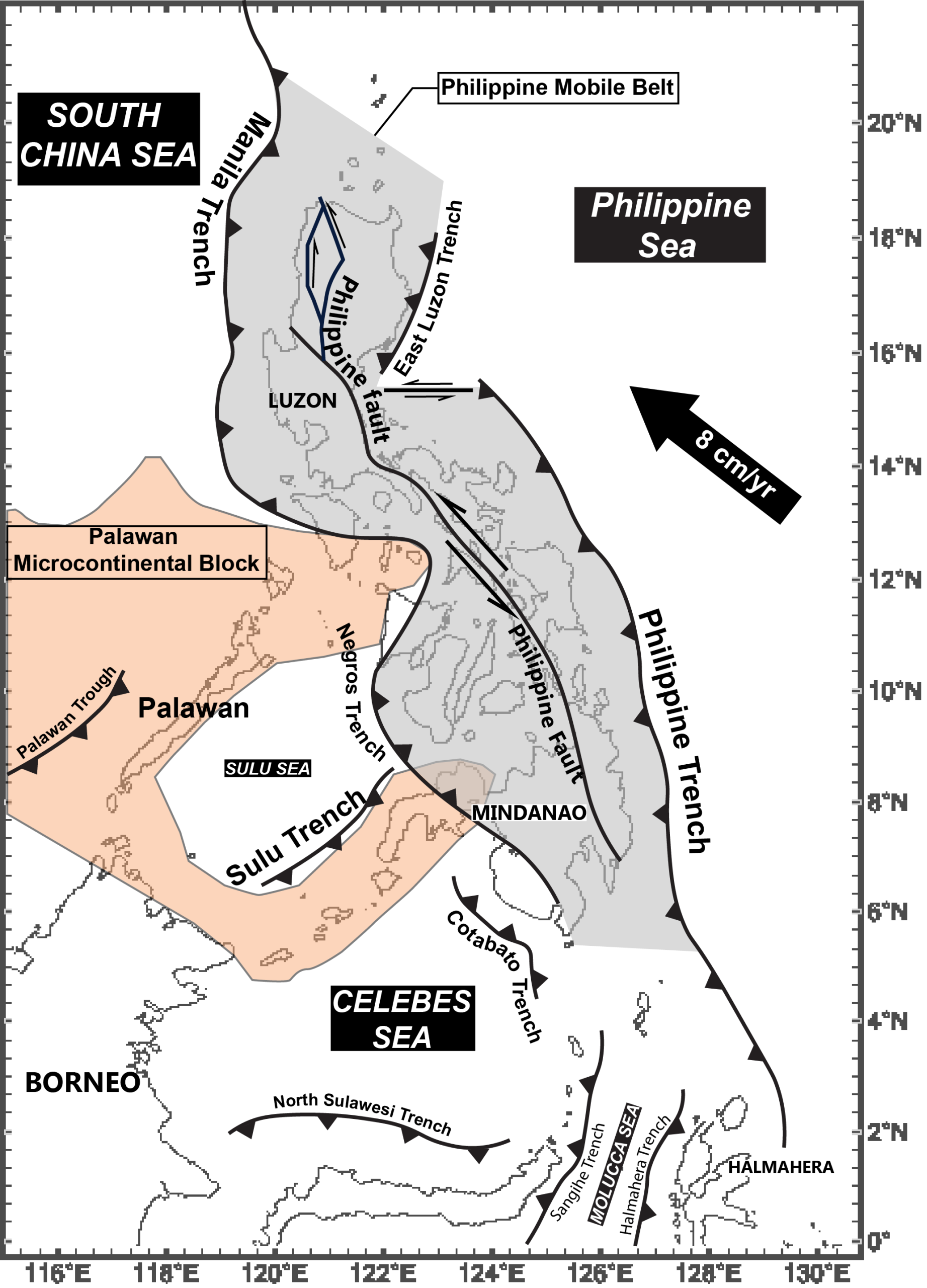
The Philippines’ unique geology makes it one of the most seismically active countries in the world. Located at the intersection of several major tectonic plates, the region is prone to powerful earthquakes, including the massive 1918 Celebes Sea earthquake, which had a magnitude of Mw 8.3. The country’s position within this complex zone of plate interaction also leads to numerous smaller intraplate earthquakes, highlighting the ever-present threat of seismic activity. As the country works to recover from this latest disaster, attention will inevitably turn to the measures in place to prevent and respond to such events, with a focus on minimizing harm to both people and the planet.
Earthquakes of this magnitude can have a profound impact on local ecosystems, causing widespread destruction and disrupting the delicate balance of the environment. The immediate effects of the quake, including landslides and soil liquefaction, can be particularly devastating, leading to long-term consequences for the region’s biodiversity and natural habitats. As rescue efforts continue, it is essential that authorities prioritize not only the rescue of those affected but also the preservation of the natural environment, recognizing the intrinsic value of a healthy planet and the critical role it plays in supporting human life.
As the Philippines looks to the future, it is clear that a multifaceted approach will be needed to address the challenges posed by its unique geology. This will involve continued investment in disaster preparedness, including early warning systems, evacuation drills, and emergency response planning. Additionally, the country may seek to leverage renewable energy sources to enhance energy security and reduce costs, recognizing the benefits that such an approach can bring in terms of both economic and environmental sustainability. By prioritizing a clean and resilient environment, the Philippines can work towards creating a more secure future for its citizens, one that is better equipped to withstand the challenges posed by seismic activity and other natural disasters.
The response to this earthquake will be closely watched, both domestically and internationally, as it serves as a test of the country’s disaster response mechanisms. The ability of authorities to respond quickly and effectively, minimizing harm to people and the environment, will be critical in the days and weeks ahead. As the situation continues to unfold, it is likely that attention will turn to the role of international cooperation and support, with many countries offering assistance to help the Philippines recover from this devastating event. Through a combination of domestic efforts and international cooperation, it is possible to mitigate the effects of this disaster and work towards a more resilient future.
Looking ahead, the road to recovery will undoubtedly be long and challenging, requiring a sustained effort from all stakeholders. However, by prioritizing the preservation of the natural environment and the well-being of those affected, the Philippines can emerge from this disaster stronger and more resilient than ever. As the country begins the process of rebuilding and recovery, it is essential that the intrinsic value of a clean and healthy planet is recognized, and that efforts are made to protect and preserve the environment for future generations. By doing so, the Philippines can create a brighter, more sustainable future, one that is better equipped to withstand the challenges posed by seismic activity and other natural disasters, and where the needs of both people and the planet are prioritized.