They left Senegal looking for a way out. Instead, they found the Atlantic. At least 63 of them are dead now, their boat capsized off Cape Verde on August 16, 2023. Thirty-eight others were pulled from the water alive. The search for more survivors is still going.
This is not a new story. It is an old one, told again in the worst way. The boat was headed for the Canary Islands. That route — from West Africa out into the open ocean — has been a desperate gamble for years. Cape Verde sits roughly 350 miles off the Senegalese coast. It is a stepping stone, a place to stop and refuel before the longer push north to Europe. But the sea does not care about plans.
The migrants on board were mostly Senegalese. They were chasing something better. Europe. A job. Safety. The kind of life that is hard to find when your country is poor and opportunities are few. Senegal is not a war zone. But poverty grinds people down just as surely as a bullet. So they pay smugglers. They climb onto boats that are often overcrowded, poorly maintained, and never meant for the open ocean. The smugglers take their money and push off. Profit comes first. Safety is a luxury no one pays for.
This disaster is brutal in its familiarity. The numbers change. The names change. The outcome does not. A boat full of people leaves. It sinks. People die. A few are saved. The world notices for a day or two. Then it moves on.
Cape Verde has long been a transit point. The country is stable, relatively speaking. Its economy is not booming, but it is not collapsing either. That makes it a natural stop for people trying to reach Spanish territory. The Canary Islands are a gateway to Europe. Get there, and you have a chance. The journey from Senegal to the Canaries is about 900 miles. It is one of the deadliest migrant routes on earth. Thousands have died trying it. The exact number is unknown. Bodies do not always wash ashore.
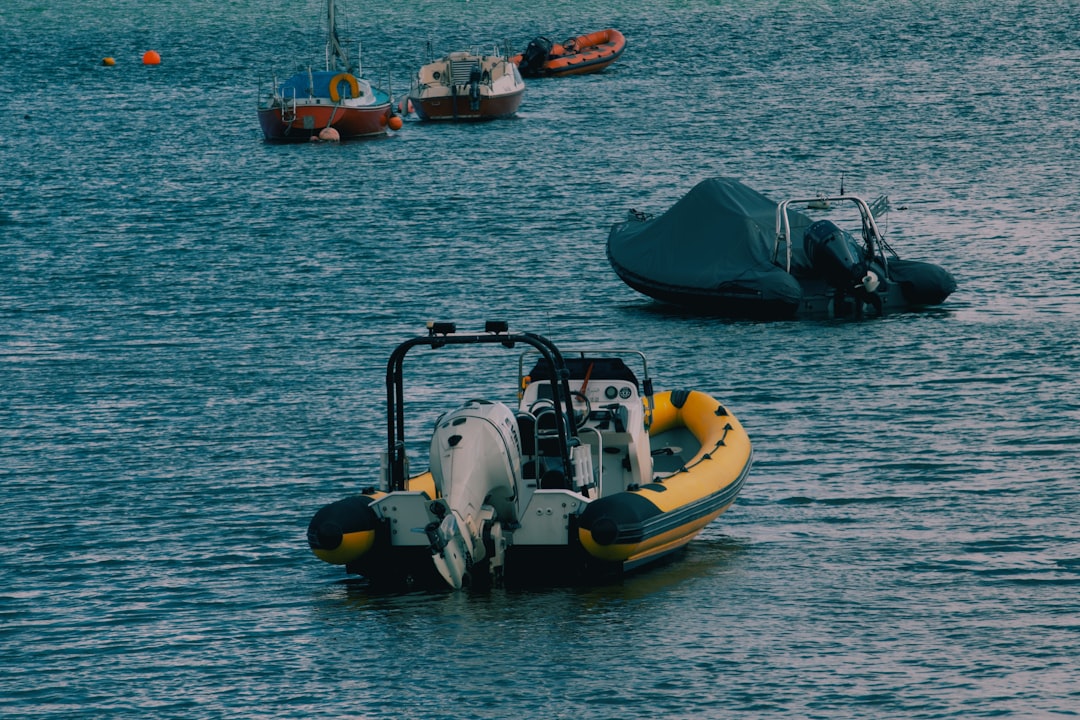
The boat that capsized was carrying a large number of migrants. No one has said exactly how many were on board. The figure is still emerging. What is clear is that the vessel was not built for this. Most of these boats are not. They are fishing pirogues, wooden or fiberglass, designed for coastal waters. Out in the Atlantic, they are toys. A wave, a shift in weight, a sudden storm — any of it can flip them. Once the boat goes over, the water is cold and deep. People drown fast.
Rescue efforts began quickly after the capsize. Local authorities and emergency services worked to pull people out of the water. They saved 38. That is a small number against the dead. The search continues, but hope fades with each hour. The ocean does not give back what it takes.
Questions are being asked. They always are. Why are these boats so unsafe? What can be done to stop the smugglers? Why do people keep taking this risk? The answers are not new either. The boats are unsafe because safe passage is not available. The smugglers operate because there is demand. People take the risk because the alternative — staying home — feels worse. Poverty, conflict, persecution. Those are the root causes. Until those are addressed, the boats will keep sailing. And some of them will keep sinking.
The international community talks about this. There are meetings. There are statements. There are programs designed to discourage migration or to develop economies so people do not feel the need to leave. None of it has stopped the boats. None of it has stopped the dying.
This time, at least 63 people are dead off Cape Verde. The survivors will tell their stories. The dead will not. The sea keeps its silence.