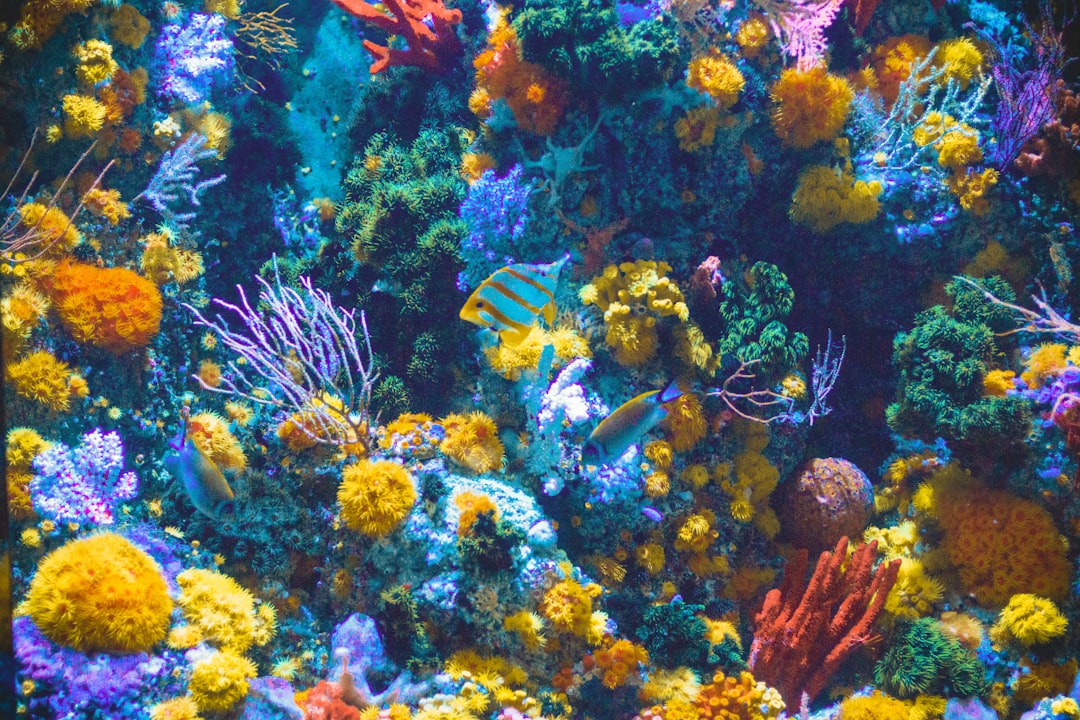
The scope of the damage is hard to overstate. Since 2023, more than 84% of the world’s coral reefs have been hit by bleaching, according to the International Coral Reef Initiative. This is the most intense such event ever recorded. The figure is not a prediction. It is a measurement of what has already happened.
Bleaching occurs when corals, stressed by rising water temperatures, expel the symbiotic algae living in their tissues. Without those algae, the coral turns white and begins to starve. Prolonged bleaching kills the reef. The current event, spanning multiple ocean basins and lasting into a second year, has pushed reefs past that point in many regions.
The International Coral Reef Initiative is the only global partnership dedicated to coral reef conservation. Its chair, Dr. John Taylor, made the case plainly: only collective action can preserve these ecosystems for future generations. That is a diplomatic way of saying that no single nation can fix this alone. Reefs do not respect borders. The heat driving this event does not either.
Dr. Maria Rodriguez, a leading coral reef researcher, called the scale of the bleaching unprecedented. She said mitigating its effects will take a concerted effort. That word — concerted — matters. It implies coordination across governments, scientific bodies, and local communities. The ICRI exists to do exactly that. It shares best practices in reef management and builds capacity among reef managers. It also pushes to keep coral reefs on the agenda at international deliberations.
The ICRI’s work is tied to specific international targets. Chapter 17 of Agenda 21 addresses protection of the oceans. Aichi Target 10 of the Convention on Biological Diversity’s strategic plan focuses on reducing pressures on vulnerable ecosystems. These are not abstract goals. They are the framework the ICRI uses to push for action.
What does this event mean for the future? The reefs that survive this bleaching will be the ones best adapted to heat. That is a small comfort. The rest — the vast majority — will take decades to recover, if they recover at all. Recovery requires stable, cool conditions. Those are not guaranteed. The forces driving this event, primarily greenhouse gas emissions, show no sign of reversing.
The ICRI has already seen some results from its collaborative approach. Countries and organizations have shared expertise and resources. That is a start. But the scale of the problem dwarfs the current response. An 84% impact rate means the crisis is no longer looming. It is here.
The partnership raises global awareness about the plight of reefs. Awareness, however, is not the same as action. The ICRI’s role is to ensure reefs are included in relevant international talks. That inclusion matters. But inclusion alone does not lower ocean temperatures. It does not stop the bleaching. It only ensures the problem is discussed.
Discussion has its limits. The data from the ICRI makes clear that the window for effective intervention is narrowing. The reefs are telling us something. The question is whether the international community is listening.