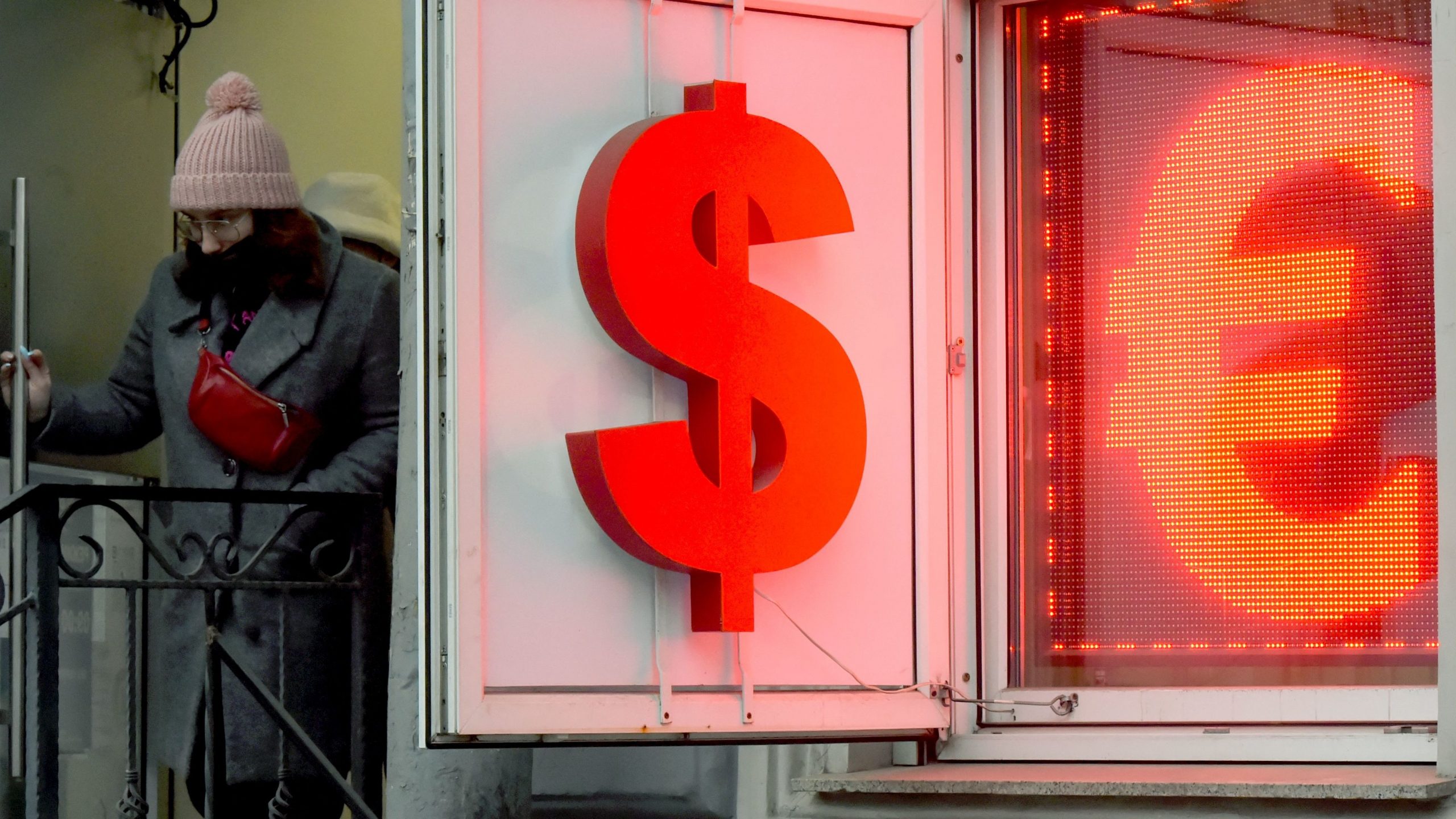
Credit rating agency Standard & Poor’s (S&P) Global Ratings has downgraded Russia’s foreign-currency debt to “selective default,” a technical rating that, according to analysts, signals a historic default on external loans is increasingly likely—the first such event for the country since the Bolshevik Revolution in 1917.
Technical Assessment of Payment Arrangements
S&P issued the downgrade late Friday after Russia arranged to make foreign bond payments in rubles on Monday, when they were due in dollars. The agency stated it does not expect Russia to be able to convert those rubles into dollars within the 30-day grace period allowed under the bond terms. An S&P spokesperson explained that a “selective default” rating applies when a lender defaults on a specific payment but continues to make others on time.
The agency’s decision, S&P said in a statement, was based partly on its opinion that sanctions on Russia over its invasion of Ukraine “are likely to be further increased in the coming weeks, hampering Russia’s willingness and technical abilities to honor the terms and conditions of its obligations to foreign debtholders.”
Russia has signaled it remains willing to pay its debts, but the Kremlin has also warned it would do so in rubles if its overseas accounts in foreign currencies remain frozen. Russia’s finance ministry said Wednesday that it attempted to make a $649 million payment toward two bonds to an unnamed U.S. bank—previously reported as JPMorgan Chase—but that tightened sanctions prevented the payment from being accepted, so it paid in rubles instead.
Sanctions Framework and Historical Context
Tightened sanctions were placed on Russia this week after evidence of alleged war crimes, including the killing of civilians in the town of Bucha during Russian military occupation. The new measures barred Russia from using any foreign reserves held in U.S. banks for debt payments.
While Russia has not defaulted on foreign debt since the Bolshevik Revolution in 1917 when the Soviet Union emerged, the current situation represents a distinct technical challenge. Even in the late 1990s, following the Soviet Union’s demise, Russia was able to continue paying foreign debts with the help of international aid. It did default on domestic debt at that time, however.
Western sanctions have severely squeezed Russia’s economy. S&P and other rating agencies had already downgraded its debt to “junk” status, deeming a default highly likely. Russia has employed strict capital controls, other severe measures, and proceeds from oil and gas sales to artificially prop up the ruble.
What to Watch Next
Market observers will be monitoring whether Russia can convert its ruble payments into dollars within the 30-day grace period, and whether further sanctions developments alter the technical pathways for debt service. The S&P statement noted that sanctions “are likely to be further increased in the coming weeks,” which could further constrain Russia’s ability to meet its foreign debt obligations. The selective default designation may also trigger credit default swap settlements and affect how other rating agencies treat Russia’s remaining debt instruments.