Military analysts assessing the appointment of a new Russian battlefield commander in Ukraine suggest that the move is unlikely to alter the fundamental strategic trajectory of Moscow’s faltering campaign, according to U.S. officials and expert readings of the conflict’s technical realities. Specialists point to the record of the officer selected, Gen. Alexander Dvornikov, as indicative of a continuation of existing tactics rather than a shift in operational outcomes.
U.S. Officials Skeptical of New Russian Commander’s Impact
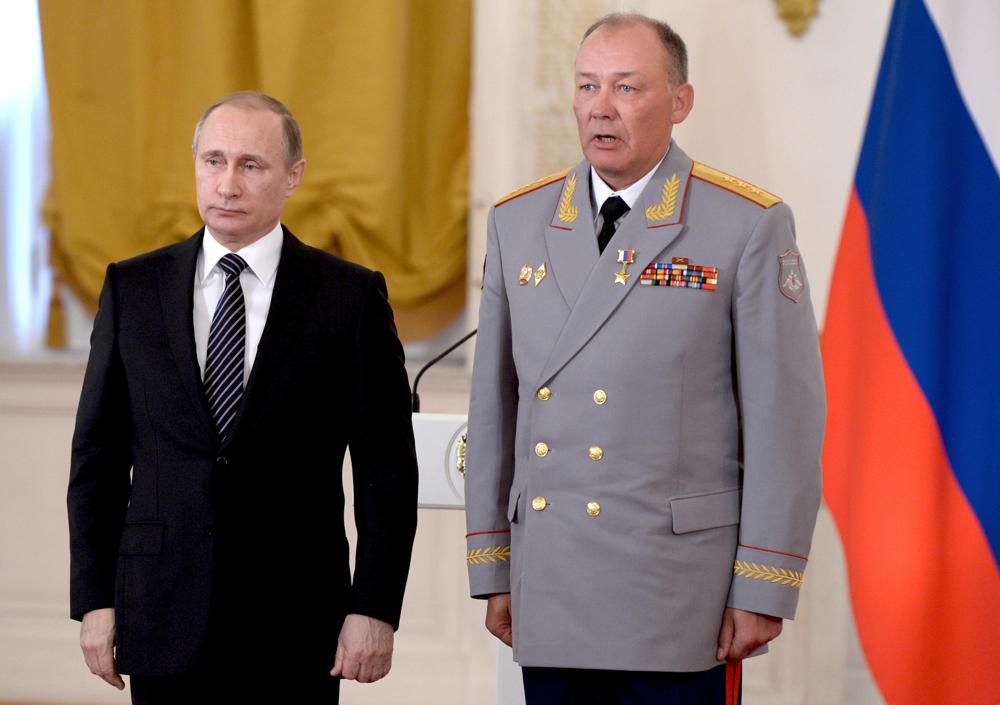
WASHINGTON USA: Russia has tapped a new Ukraine war commander to take centralized control of the next phase of the battle. After its costly failures in the opening campaign and carnage for Ukrainian civilians, U.S. officials don’t see one man making a difference in Moscow’s prospects. Russia turned to Gen. Alexander Dvornikov, 60, one of Russia’s most experienced military officers. And according to U.S. officials a general with a record of brutality against civilians in Syria and other war theaters. Up to now, Russia had no central war commander on the ground. The general’s appointment was confirmed by a senior U.S. official who was not authorized to be identified and spoke on condition of anonymity.
But the White House national security adviser, Jake Sullivan, said. “No appointment of any general can erase the fact that Russia has already faced a strategic failure in Ukraine.” “This general will just be another author of crimes and brutality against Ukrainian civilians,” Sullivan said. “And the United States, as I said before, is determined to do all that we can to support Ukrainians. As they resist him and they resist the forces that he commands.”
White House press secretary Jen Psaki echoed that thought. “The reports we’re seeing of a change in military leadership and putting a general in charge. Who was responsible for the brutality and the atrocities we saw in Syria shows. That there’s going to be a continuation of what we’ve already seen on the ground in Ukraine and that’s what we are expecting,” she said.
Shift in Battlefield Leadership Amid Eastern Offensive
The decision to establish new battlefield leadership comes as Russia gears up for what is expected to be a large and more focused push to expand Russian control in Ukraine’s east and south. Including the Donbas, and follows a failed opening bid in the north to conquer Kyiv, the capital. Dvornikov gained prominence while leading the Russian group of forces in Syria. Where Moscow has waged a military campaign to shore up President Bashar Assad’s regime during the Syrian civil war. Under Dvornikov, Syrian and Russian forces were accused by The United Nations and human rights groups of war crimes, including indiscriminate bombing of civilian areas. That record of brutality against civilians is now central to U.S. assessments of what Ukrainians can expect in the coming weeks.
Russian President Vladimir Putin awarded Dvornikov the title “Hero of Russia” for his service in Syria. The general previously commanded the Southern Military District and has a reputation for employing heavy firepower against urban centers. Col. (ret.) analysts note that Dvornikov’s appointment signals a consolidation of command after weeks of disjointed operations that saw multiple Russian units operating without a unified strategy on the ground in Ukraine.
Ukrainian Leadership Calls for More Western Support
This assessment from Washington comes as Ukrainian President Volodymyr Zelenskyy renewed his plea for more weapons before an expected surge in fighting in the country’s east. He said, with frustration in regards to supplies of weapons from the U.S. and other Western nations, “of course, it’s not enough.” The Ukrainian leader has consistently pressed allies for heavier equipment, including artillery and armored vehicles, to counter the anticipated Russian offensive in the Donbas region.
Given that negotiations have so far been limited to low-level talks that do not include Putin, Zelenskyy has emphasized that he must be “realistic” about the prospects for a swift resolution. The United States has committed billions in security assistance to Ukraine since the invasion began, but Ukrainian officials continue to stress that the pace and volume of deliveries must increase to match the scale of the Russian military buildup.
Looking ahead, analysts will be watching whether Dvornikov can impose greater coordination among Russian forces in eastern Ukraine, or whether the same logistical and morale problems that plagued the initial campaign will persist. The coming weeks are expected to see intensified fighting in the Donbas and southern regions, with both sides preparing for a protracted conflict that shows no signs of a diplomatic breakthrough. The White House has signaled that additional security assistance packages for Ukraine are under active consideration, though the timeline and composition of future aid remain uncertain.