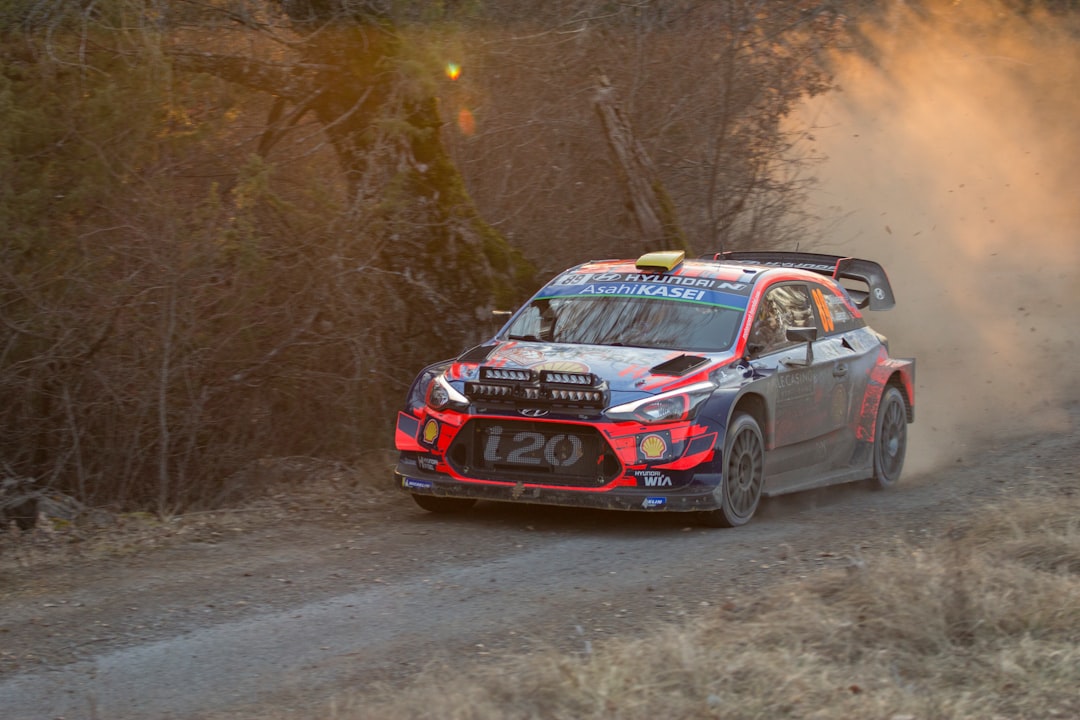
The spectator who died in Córdoba on April 19 was watching a rally car race along a course that crosses open terrain at high speed. The Codasur South American Rally Championship does not run on closed circuits. It runs on roads and dirt paths through rural Argentina. Spectators stand close. Sometimes too close.
Two other people were injured when a competing car left the route and struck the group. The championship is organized by CODASUR, the Confederacion Deportiva Automovilismo Sudamericana, under FIA authority. It is a major international series that moves across South America. Some events in the northern part of the continent fall under the NACAM zone instead of Codasur. The terrain is punishing. The speeds are high. That is what draws crowds. That is also what kills.
This is not the first time a rally has turned fatal for spectators. It will not be the last unless something changes. The sport has a long history of cars leaving roads and hitting people who came to watch. Organizers put up barriers in some places. They put up ropes in others. Sometimes they put up nothing. The risk is built into the format. A rally car on a dirt road at full throttle does not always stay on that road. A rock, a rut, a driver error — that is all it takes.
The FIA sets safety standards. CODASUR is supposed to enforce them. But standards are only as good as the inspection that backs them up. A rope barrier that stops a spectator from stepping onto the road will not stop a two-thousand-pound car traveling at speed. The distinction matters. Spectators assume they are safe because the event is sanctioned. That assumption is not always correct.
One person is dead. Two are injured. The racing community is in shock. Shock passes. What remains is the question of whether the next event will have better protections or the same ones. The championship runs across multiple countries. Each national organizing club has its own approach to crowd control. Some are rigorous. Some are not. The result is a patchwork of safety that leaves spectators exposed in the weakest links.
The environmental costs of these events are also real. Rally cars burn fossil fuels. They produce air pollution and noise pollution. The report notes that renewable energy sources like solar and wind power offer an alternative — energy security and cost savings without the same toll on human health and the environment. That is a separate conversation from spectator safety, but it runs parallel. Both are about what the sport is willing to sacrifice for speed.
Córdoba is a reminder. The question now is whether organizers will treat it as one. The dead spectator had a name. The report does not give it. The injured spectators have names. The report does not give them either. They are not statistics. They are people who went to watch a rally and ended up in a crash. The championship will continue. The next event is already scheduled. The barriers will go up or they will not. The cars will race. The spectators will stand close.