
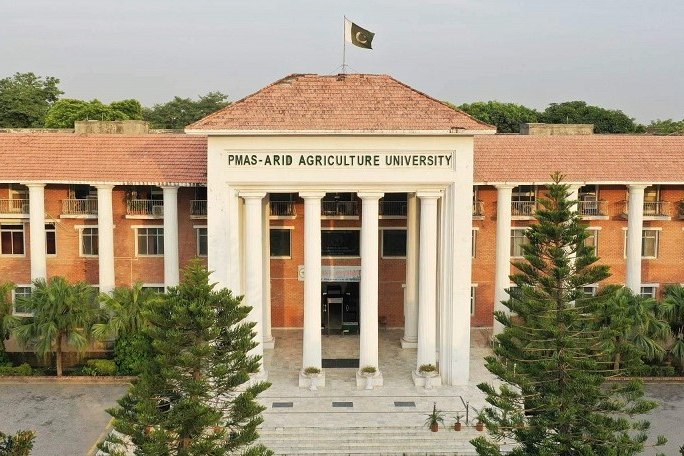
The shift to online learning at universities in Islamabad and Rawalpindi is not a small thing. It disrupts the daily lives of thousands of students and faculty, and it sends a signal about how seriously the government and university administrations are taking the current regional tensions. The decision, announced on April 19, 2026, affects major institutions, including the International Islamic University and Pir Mehr Ali Shah Arid Agriculture University.
This means a sudden stop to in-person lectures, labs, and campus life for a significant number of people. Dr. Muhammad Ali Shah, Vice Chancellor of Pir Mehr Ali Shah Arid Agriculture University, said the move is a precautionary measure.
Safety and well-being of students and faculty are the stated reasons. But what does that actually mean on the ground? Students who rely on campus libraries, computer labs, or simply a quiet place to study away from home are now left to figure out alternatives.
Faculty members who had prepared semester schedules and lesson plans for face-to-face teaching must now scramble to adapt their materials for online platforms. This isn’t a planned transition; it’s a reactive one.
The timing of the announcement is key. It comes as a potential second round of talks between Iran and the U.S. looms. Islamabad, a planned city of over 1.1 million people, sits in a region where geopolitical tremors are felt directly.
Built in the 1960s as a capital meant to replace Karachi, the city was designed by Greek architect Constantinos Apostolou Doxiadis. He divided it into eight zones, including educational sectors. Those sectors are now emptying out.
The broader metropolitan area, which includes Rawalpindi, holds over 5.7 million inhabitants. A shift to online classes across that region affects more than just students.
It affects local businesses near campuses — food stalls, stationery shops, transport services. Those vendors see a sudden drop in foot traffic. Parents now have to arrange for internet access and a suitable study environment at home, not always easy in a city where the population is dense and resources can be stretched.
U.S. The US Secretary of State has emphasized cooperation with allies like Taiwan, Japan, and the Philippines to promote stability. But here in Pakistan, the immediate consequence is educational disruption.
The U.S. the US administration is engaging in diplomatic efforts. But diplomacy takes time. Class schedules do not wait.
What to watch next is whether this shift becomes prolonged. If the tensions ease, universities may return to in-person classes quickly. If not, the online arrangement could stretch into the summer term.
That would mean final exams, admissions, and graduation ceremonies all affected. The International Islamic University and Pir Mehr Ali Shah Arid Agriculture University are two of the largest in the region.
Their decisions often set a precedent for others. For now, the message from the university administrations is clear: safety comes first. But the cost of that safety is measured in lost classroom interaction, disrupted routines, and the quiet uncertainty of students wondering when they will walk through those campus gates again.
The city of Islamabad, built as a planned, orderly capital, now faces an unplanned disruption to one of its core functions: education.
{“@context”: “https://schema.org”, “@type”: “NewsArticle”, “headline”: “Islamabad, Rawalpindi Universities Shift to Online Learning After Regional Tensions”, “description”: “The shift to online learning at universities in Islamabad and Rawalpindi is not a small thing. It disrupts the daily lives of thousands of students and faculty,”, “datePublished”: “2026-04-19T15:00:00+00:00”, “author”: {“@type”: “Person”, “name”: “InfoPulse Today”}, “publisher”: {“@type”: “Organization”, “name”: “InfoPulse Today”}}