Manay, Davao Oriental – When the ground stopped shaking, the counting began. Not just of the dead and injured, but of the shocks themselves. Two of them. A doublet. This is the detail that sets the October 10 earthquake apart from the usual tremor and aftershock pattern that residents of the Philippines know well.
The first event measured 7.4 in magnitude. Then came another, nearly as powerful, at 6.7 to 6.8. Eight people are dead. Over 400 are injured. Buildings and infrastructure across the town of Manay and the surrounding region are heavily damaged. But the raw numbers of casualties and collapsed structures, as stark as they are, do not capture the unusual nature of the seismic sequence that caused them.
This was not a main shock followed by a predictable series of smaller, decaying aftershocks. Aftershocks typically start about 1.2 magnitude units below the main event and then taper off in both frequency and power. That is the standard model. What happened here was different. Two main shocks, with magnitudes separated by less than 0.4 units, struck in close proximity. In seismic terms, they are nearly equals. Scientists classify this as a doublet, or multiplet, earthquake. It is a distinct phenomenon, and one that complicates both immediate response and long-term recovery.
The difference matters. Aftershocks, while dangerous, follow a known pattern. Response teams and residents can brace for diminishing intensity. A doublet offers no such predictability. The second shock arrives not as a weaker echo but as a fresh, full-strength blow. For the people of Manay, the first quake was the warning. The second, nearly as violent, was the punch that followed before anyone could stand back up.
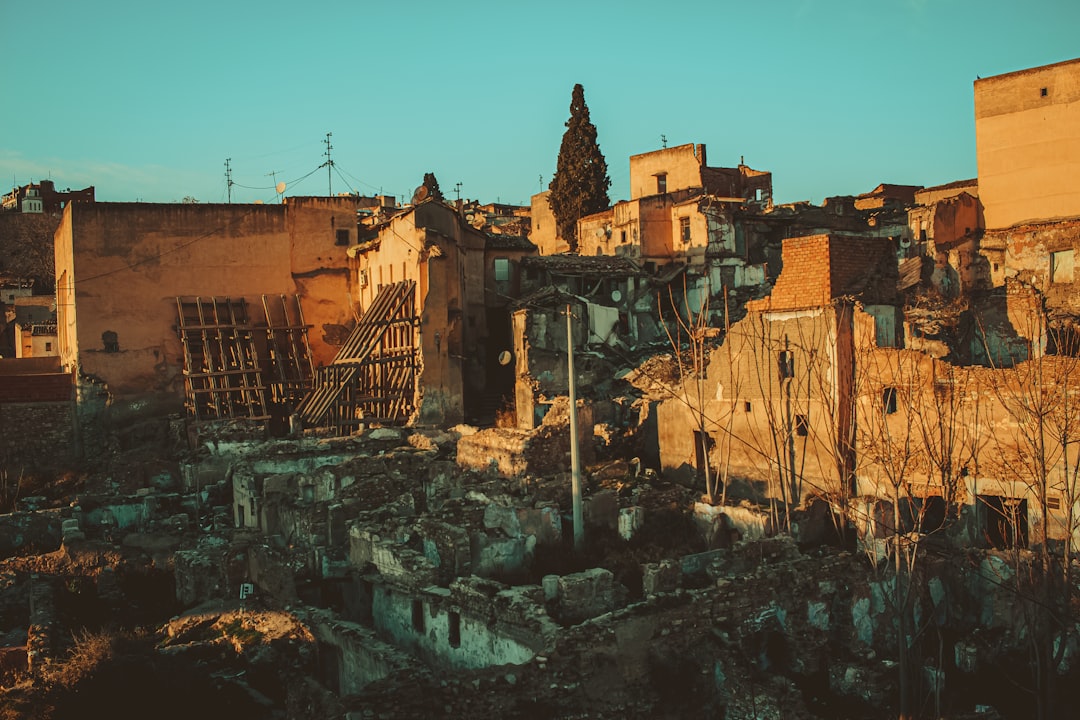
This sequence forces a hard look at infrastructure built to withstand a single major event. Buildings that survive a 7.4 magnitude shock may not remain standing after a second one of 6.7 or 6.8 hits the same compromised structure minutes, hours, or days later. The damage report from Davao Oriental reflects that compounded stress. Wrecked homes, shattered roads, collapsed public buildings. The second event did not just add to the toll; it multiplied it.
Recovery in a doublet zone requires a different kind of planning. The standard disaster playbook assumes the worst is over after the largest tremor. That assumption is dangerous here. Communities rebuilding after a doublet must design for repeated, near-equal force. The report points to the need for sustainable and resilient infrastructure. That is not an abstract goal in Manay. It is a concrete engineering problem. How do you build a school or a hospital that can take two major quakes in quick succession and still function?
Energy security also enters the picture. The report ties disaster preparedness to investment in renewable sources like solar and wind. The logic is blunt. When a doublet knocks out the grid, a community that relies on a single, centralized power source is left in the dark. Distributed solar, backed by batteries, keeps lights on for triage and communication. It is not a feel-good environmental gesture. It is a survival calculation.
Manay now faces a recovery that has no clean template. The dead are eight. The injured number over 400. The ground delivered two shocks of nearly equal force, and the region must figure out how to stand back up on ground that may not be done moving. The standard models for earthquakes and aftershocks do not apply here. That is the fact that changes everything.