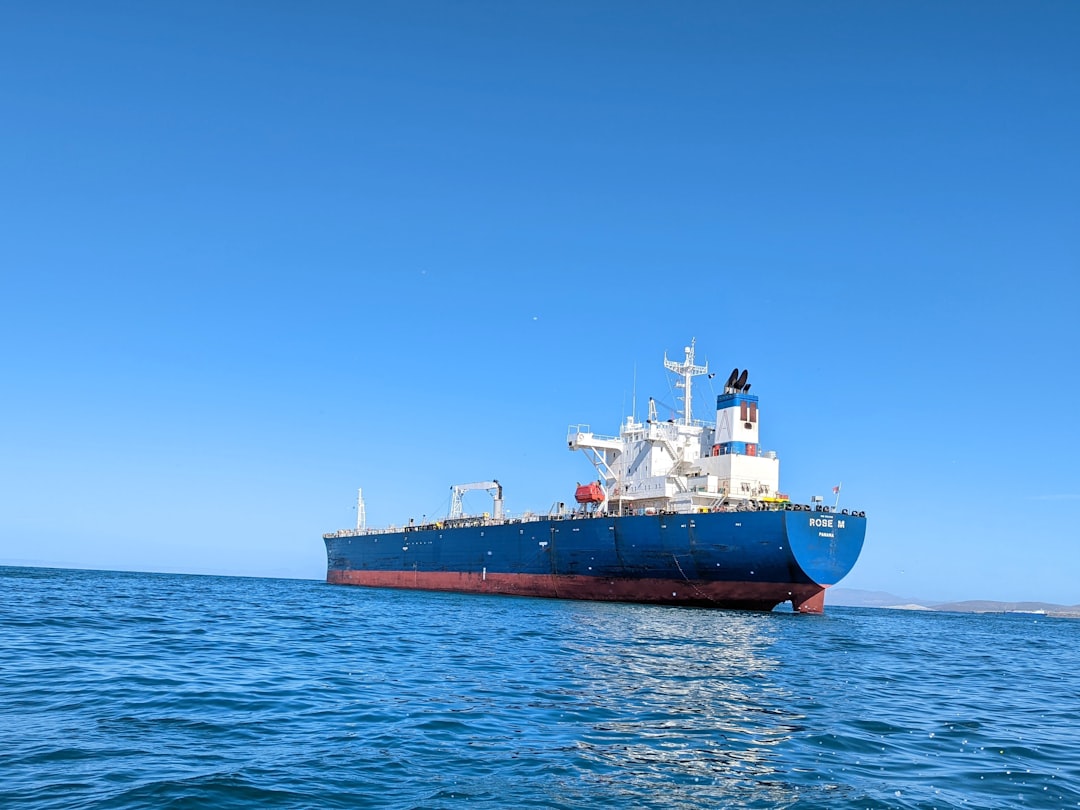
The explosion that tore through a crude palm oil tanker at a Batam Island shipyard on October 15 has left ten dead and 21 injured, four critically, but the true toll may be measured in what it reveals about Indonesia’s industrial safety regime. This was not a freak accident. It was a foreseeable event at a facility that has seen its share of incidents, though none this severe.
Batam is a hub. The shipyard sits at the center of maritime trade for the region, handling a significant portion of Indonesia’s palm oil exports. That economic importance now collides with a hard question: how many more warnings are needed before something changes?
Crude palm oil is highly flammable. It demands specialized equipment and careful handling. The report notes that the shipyard has been operating for years, long enough to know the risks. Long enough to have had prior incidents. Yet the blast still happened, killing ten people and wounding more than a score. Four of those wounded are clinging to life.
The investigation is early. No cause has been announced. But the pattern is familiar. Industrial accidents in developing economies often trace back to the same root: a gap between what safety protocols require and what daily practice delivers. Regular maintenance, staff training, adherence to industry standards — these are not abstract concepts. They are the difference between a tanker at dock and a tanker on fire.
This shipyard has a responsibility. It has a responsibility to the families of the ten dead, to the 21 injured, to the four in critical condition. It also has a responsibility to the broader industry that depends on Batam’s facilities. Palm oil is a major export earner for Indonesia. Disruptions at a key hub ripple outward. Export schedules slip. Insurance premiums rise. Trading partners take notice.
The immediate aftermath is rescue and recovery. Authorities are on site. Families are being notified. The wounded are in hospitals. But the longer-term picture is already forming. This explosion will trigger inspections. It will trigger reviews of safety procedures across the shipyard and likely across similar facilities in the region. It should also trigger something harder: a reckoning with the cost of cutting corners.
Industrial safety is not a cost center. It is a survival requirement. Ten people are dead because something went wrong on that tanker. The cause may turn out to be equipment failure, human error, or a combination. Whatever it is, the underlying issue is the same. Safety measures were not enough. They were not enforced, not funded, not prioritized. The result is a tragedy that could have been prevented.
Indonesia’s palm oil industry is massive. It moves billions of dollars in trade each year. That scale brings pressure to keep operations running, to meet shipping deadlines, to maximize throughput. That pressure can erode safety margins. A missed inspection here, a deferred maintenance item there. It adds up until it explodes.
The shipyard has been the site of past incidents, the report states. None as severe as this. That is not a comfort. It is an indictment. Prior incidents should have triggered changes. They should have tightened procedures and increased oversight. Instead, the pattern continued until it killed ten people.
What comes next is not a mystery. The investigation will produce findings. Those findings will likely point to specific failures. There will be calls for reform. There may be new regulations. There will certainly be lawsuits. But the real test is whether the lessons of this explosion stick. Whether the industry takes the steps needed to prevent the next one.
For now, the focus is on the dead and the injured. Ten families are grieving. Twenty-one people are recovering, four of them fighting for their lives. The shipyard is a crime scene and a reminder. Safety is not optional. It is the only thing that stands between a routine docking and a disaster.